
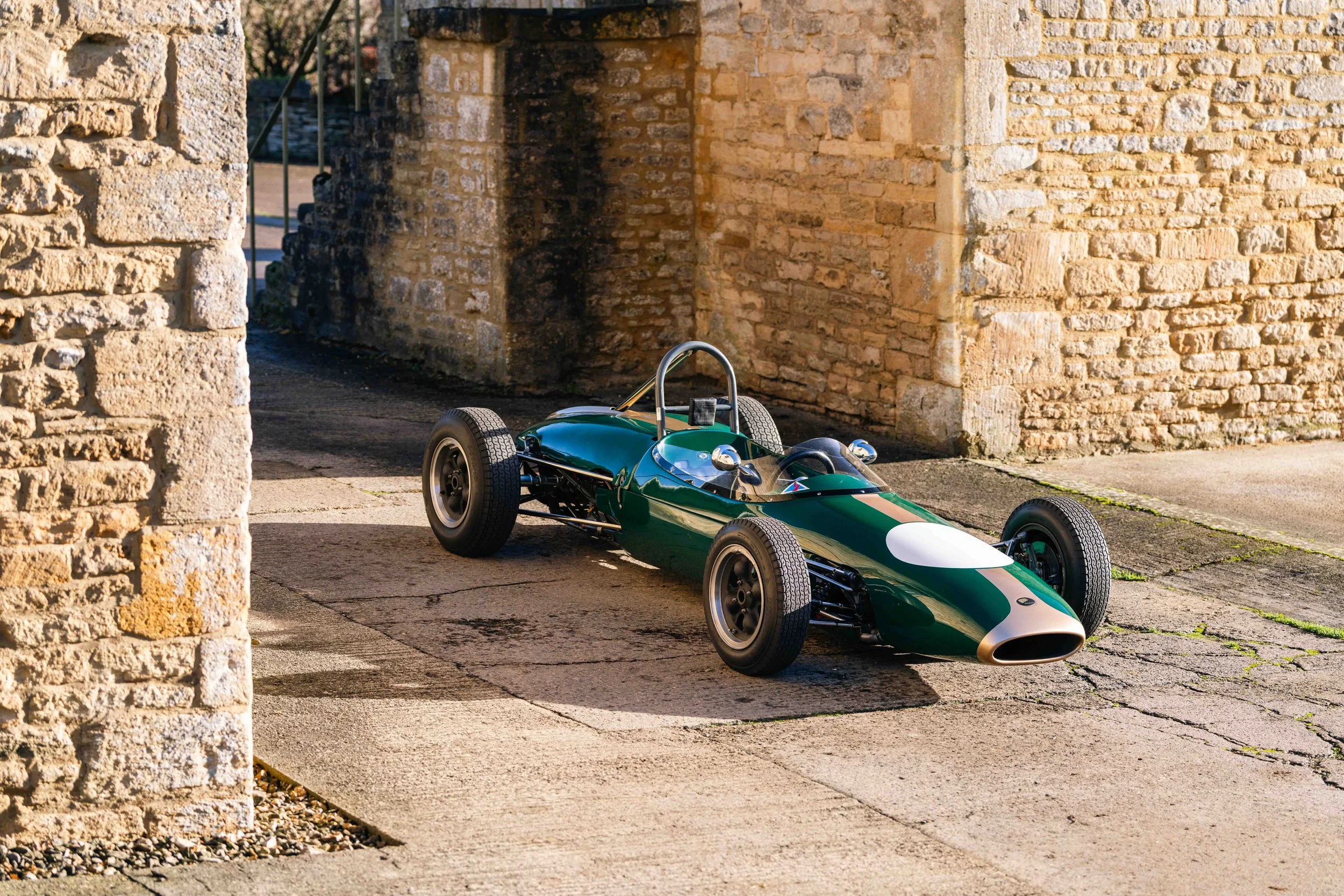
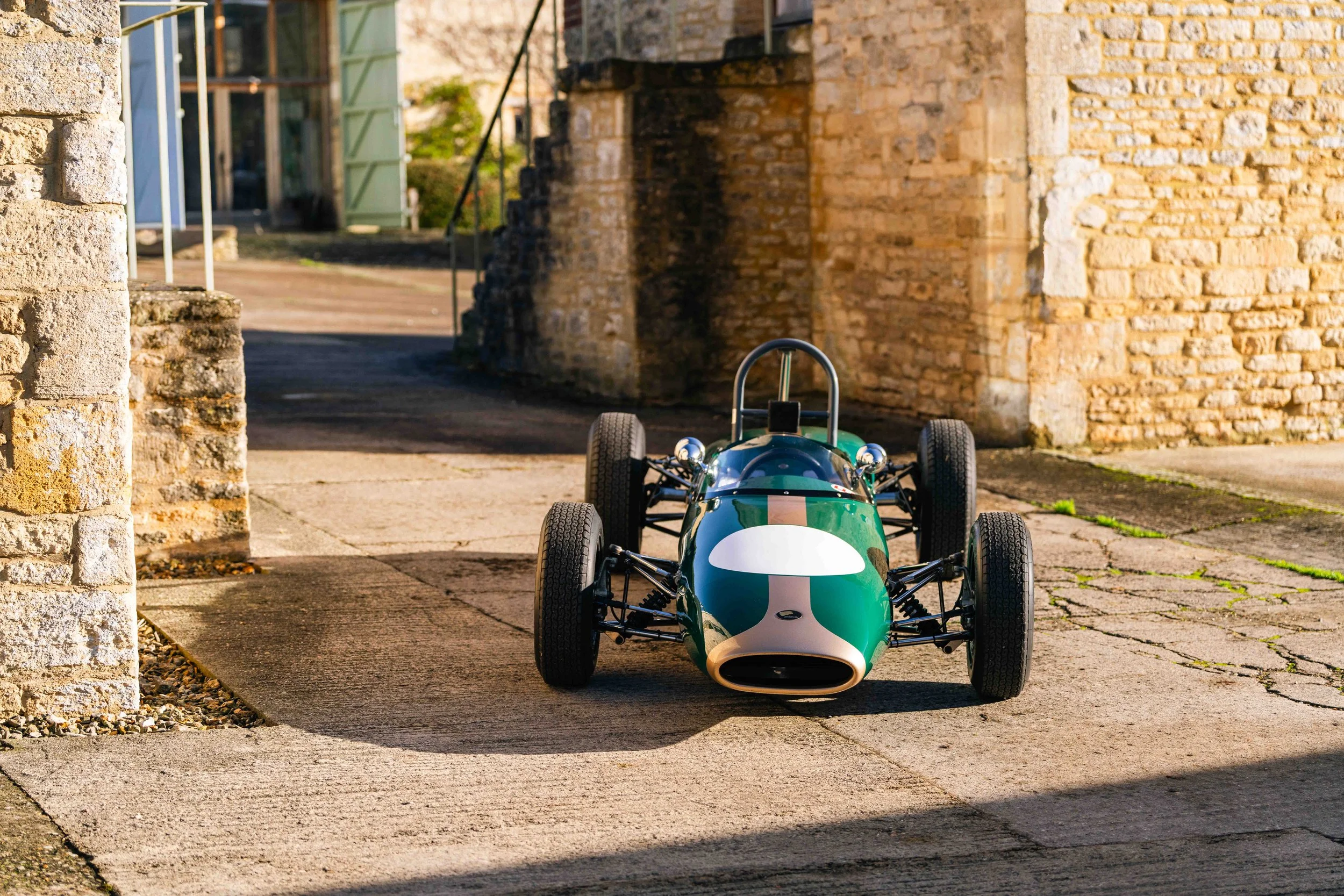
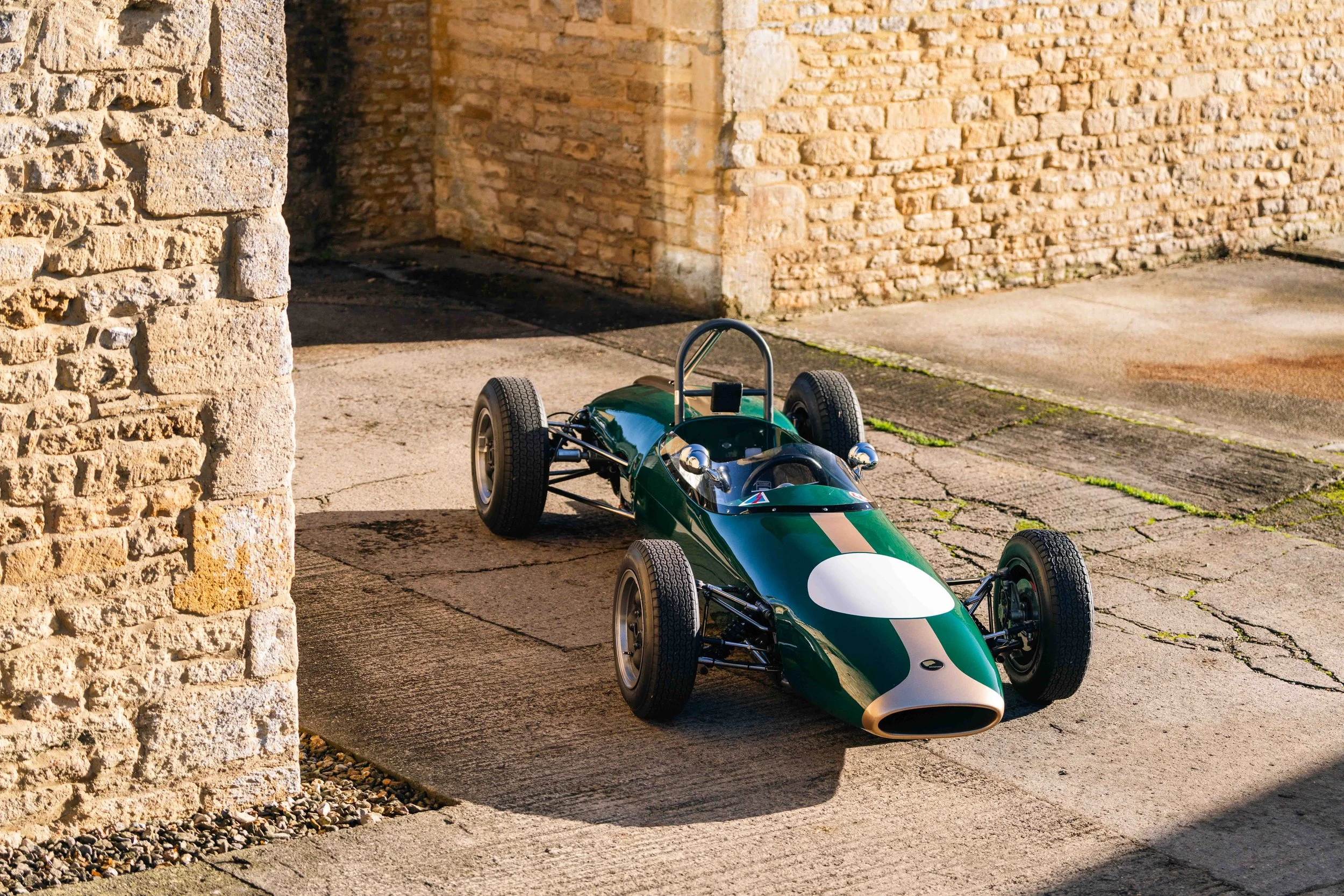
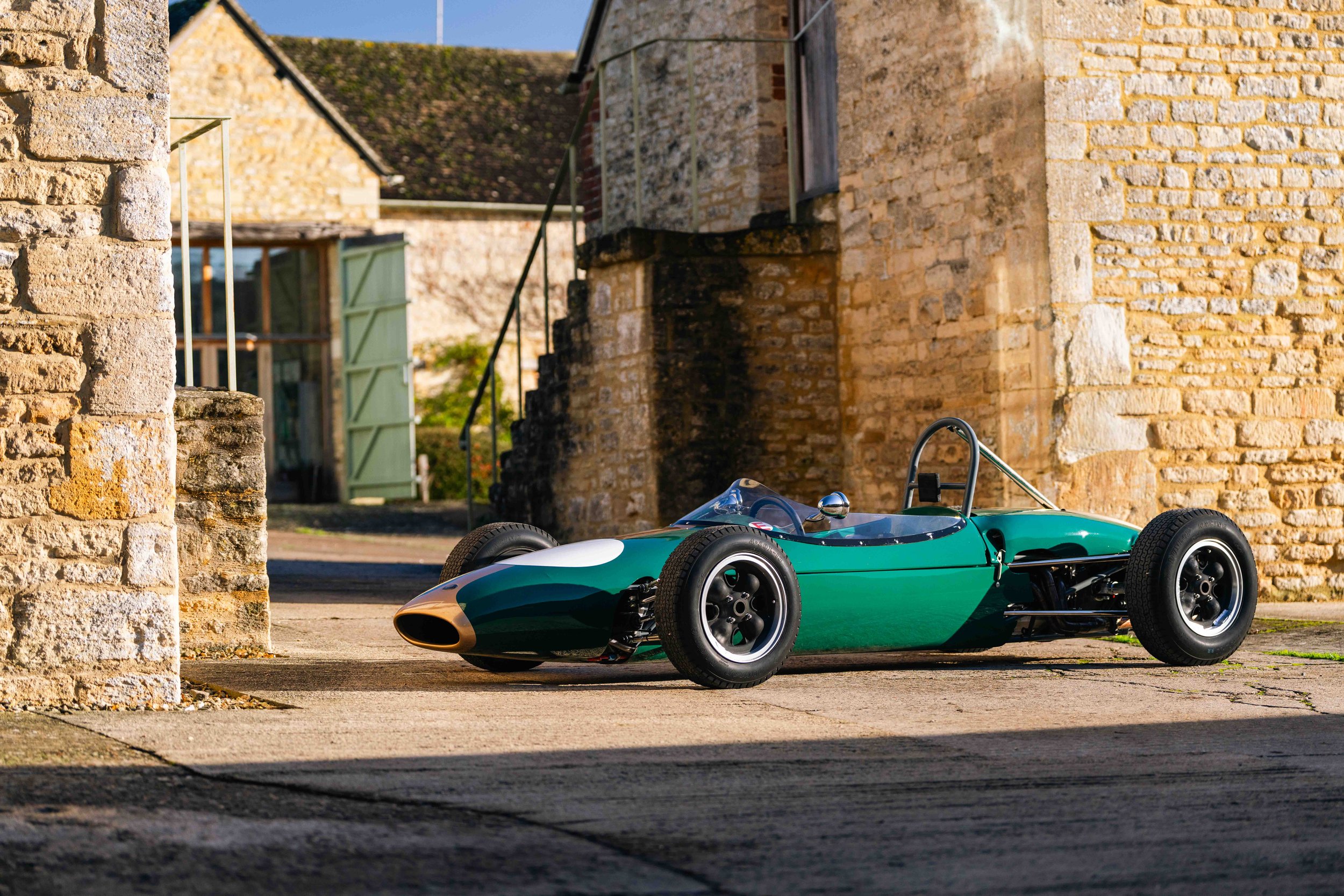
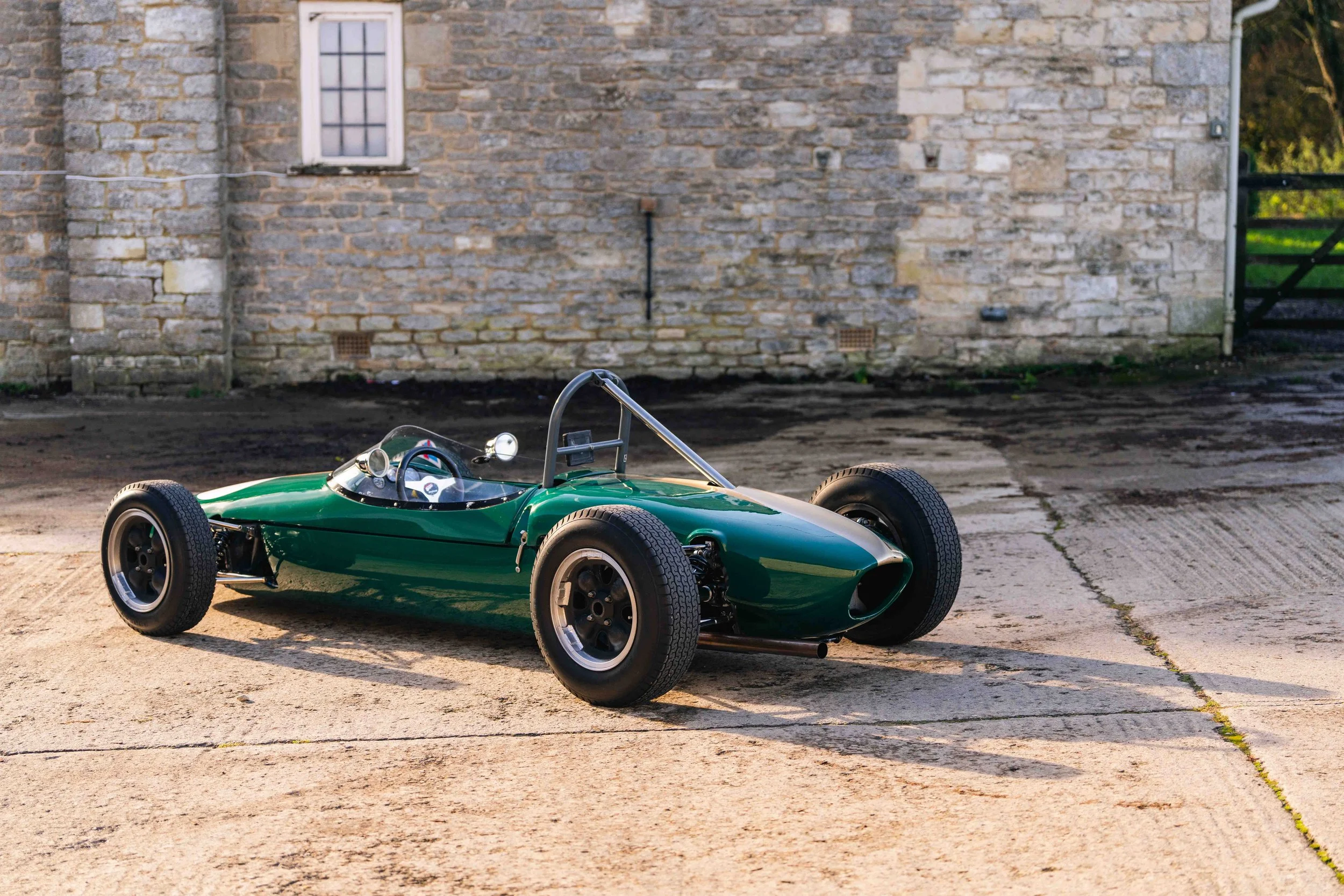
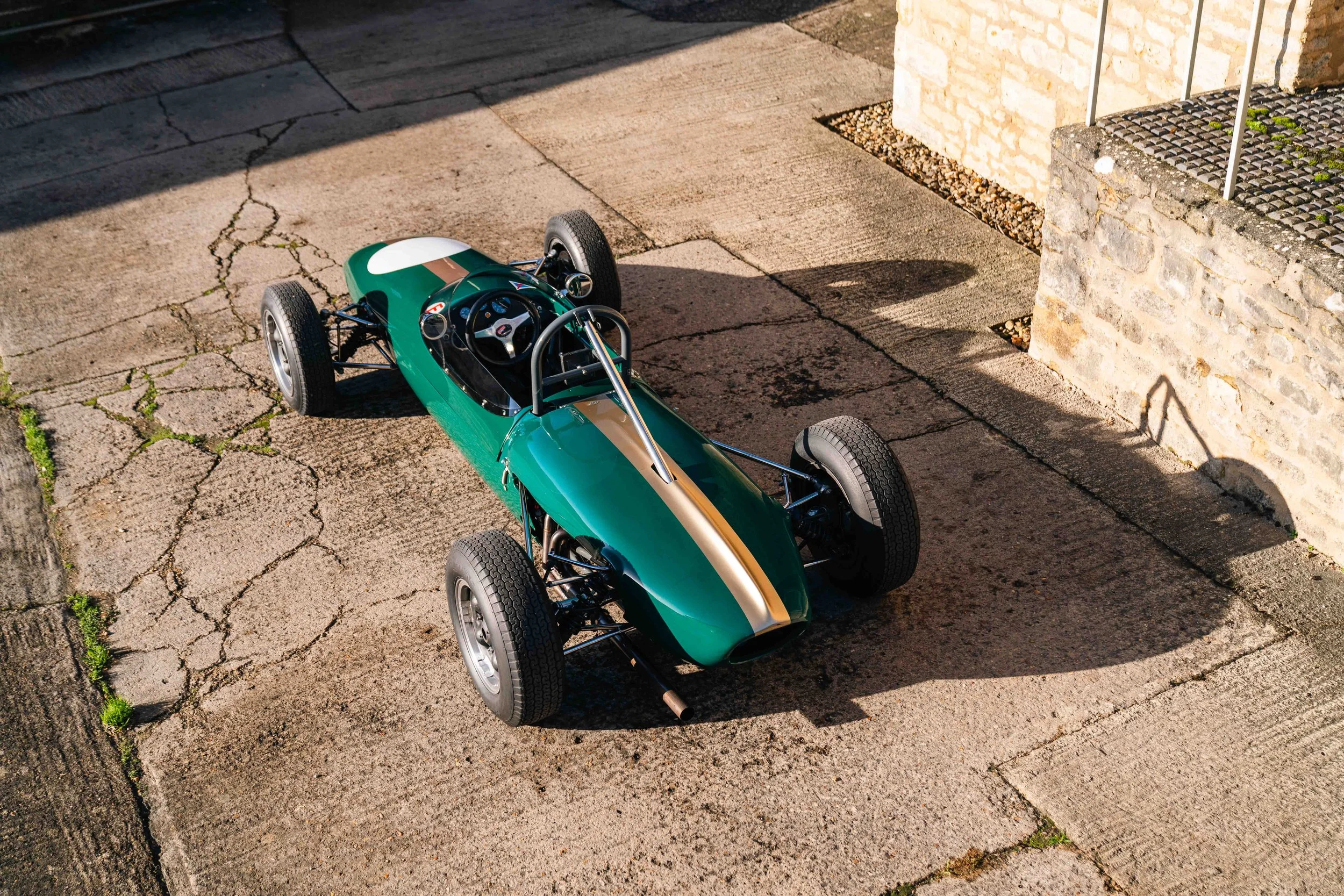
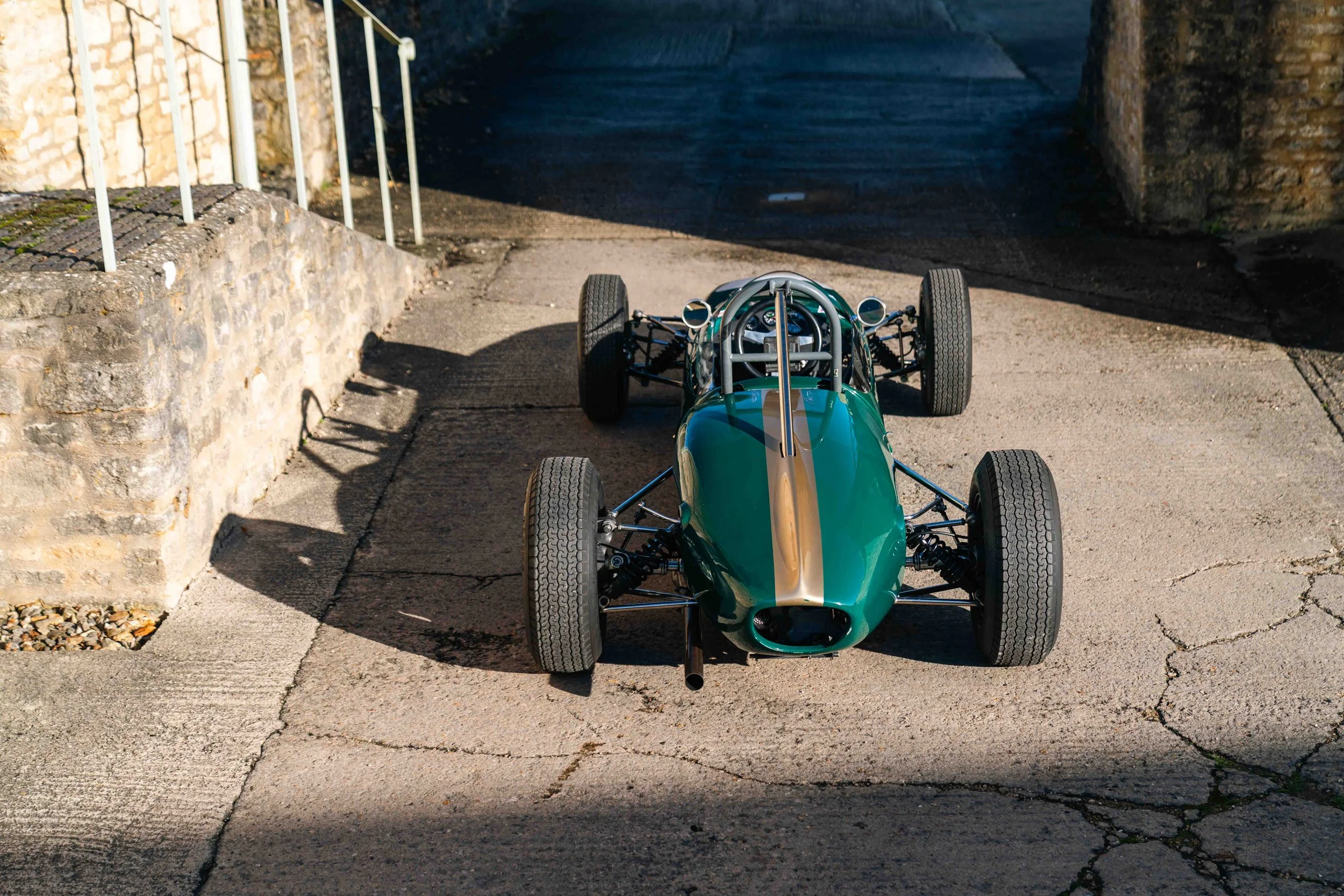
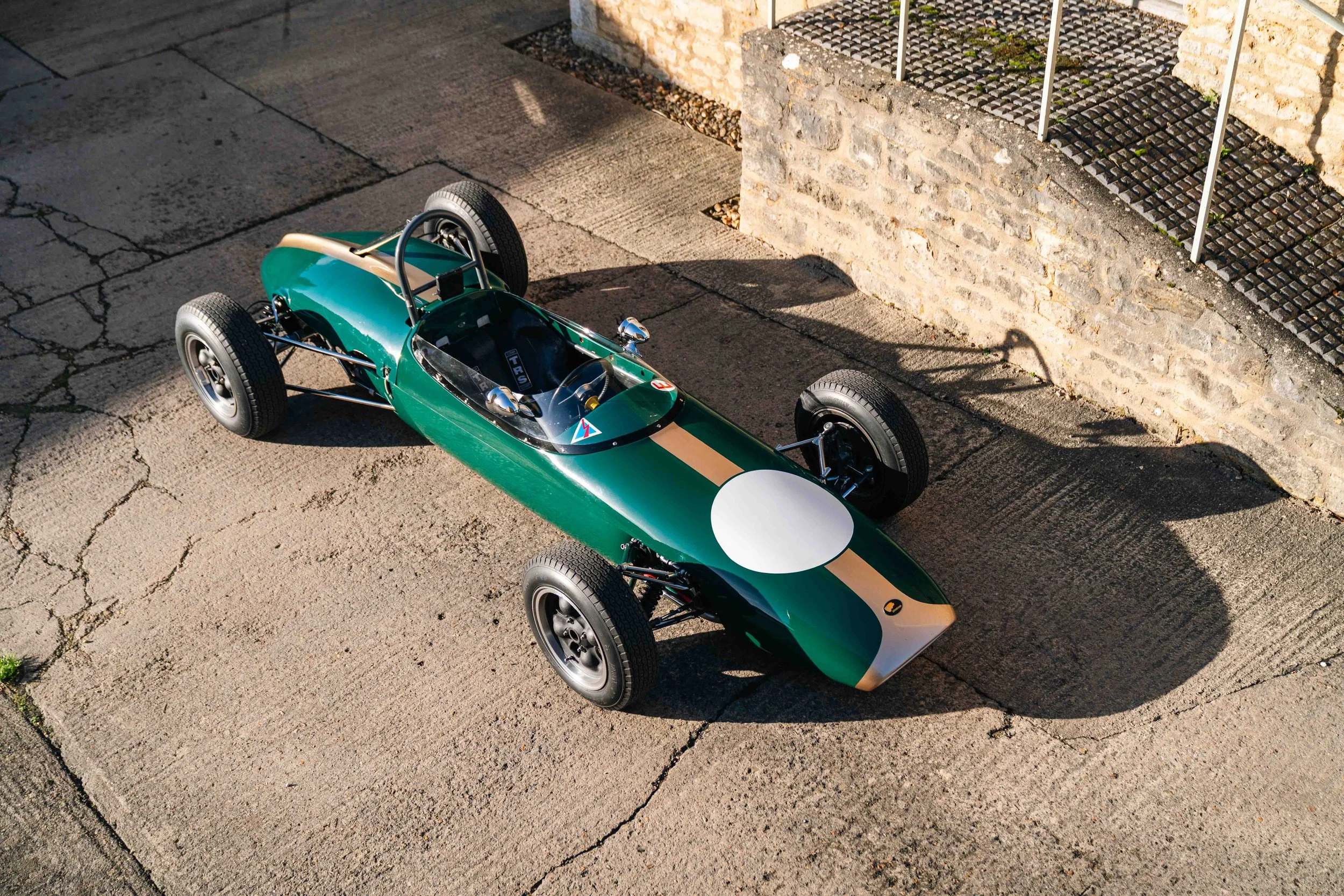
Denny Hulme’s Works Brabham
1963 Brabham BT6 Formula Junior
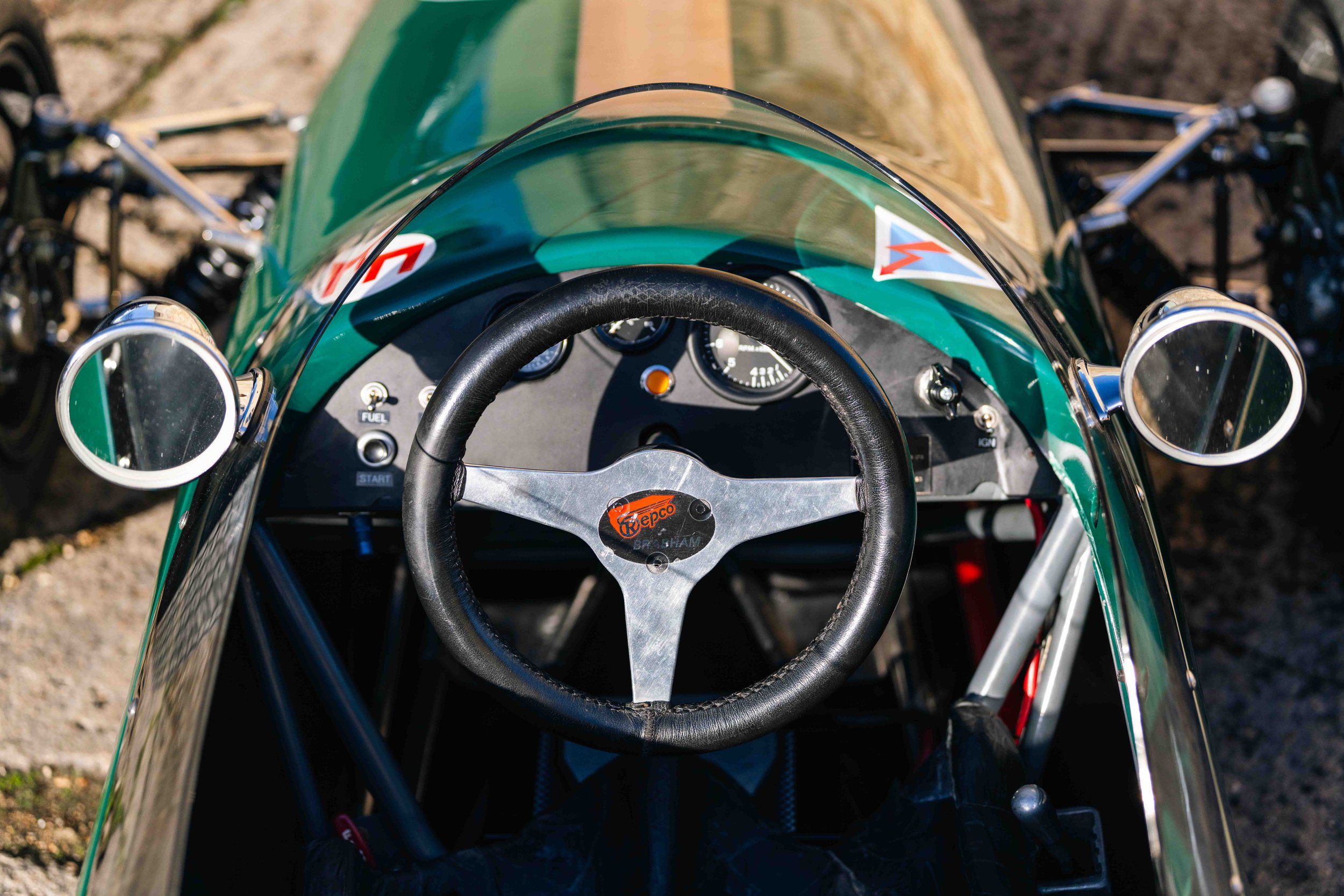
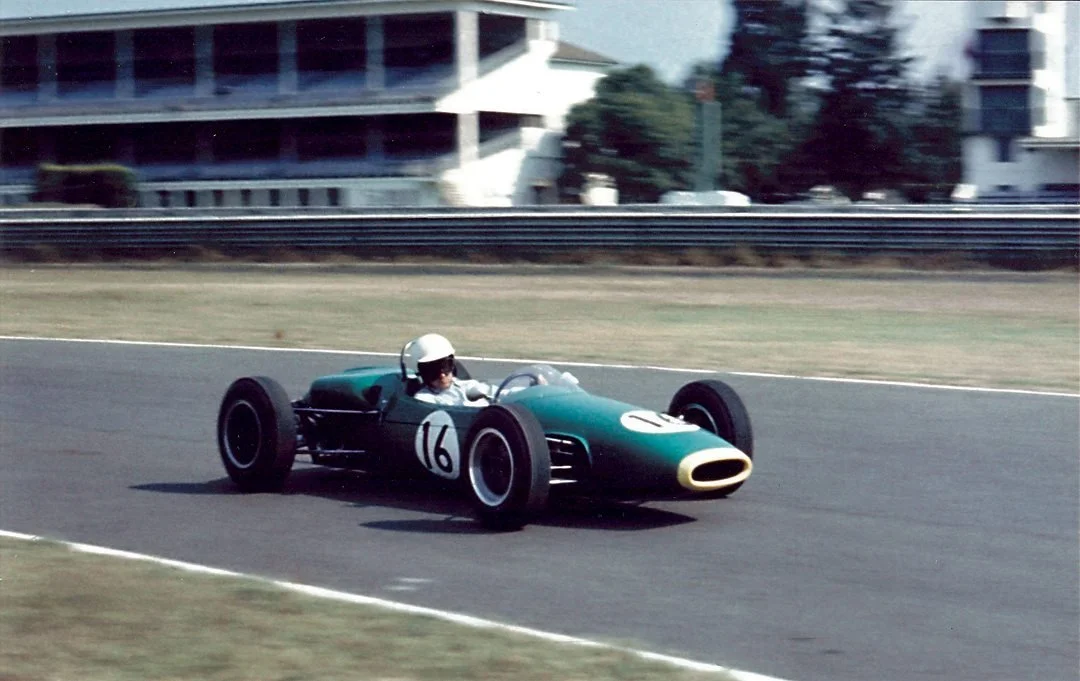
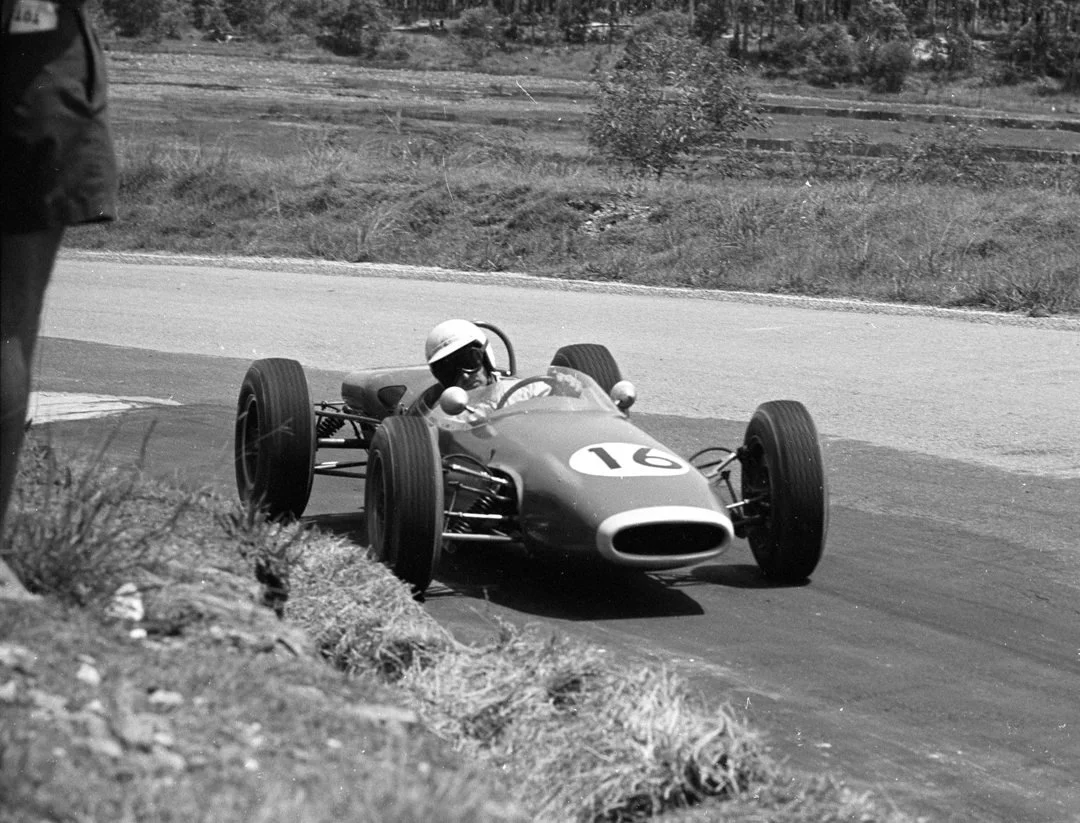
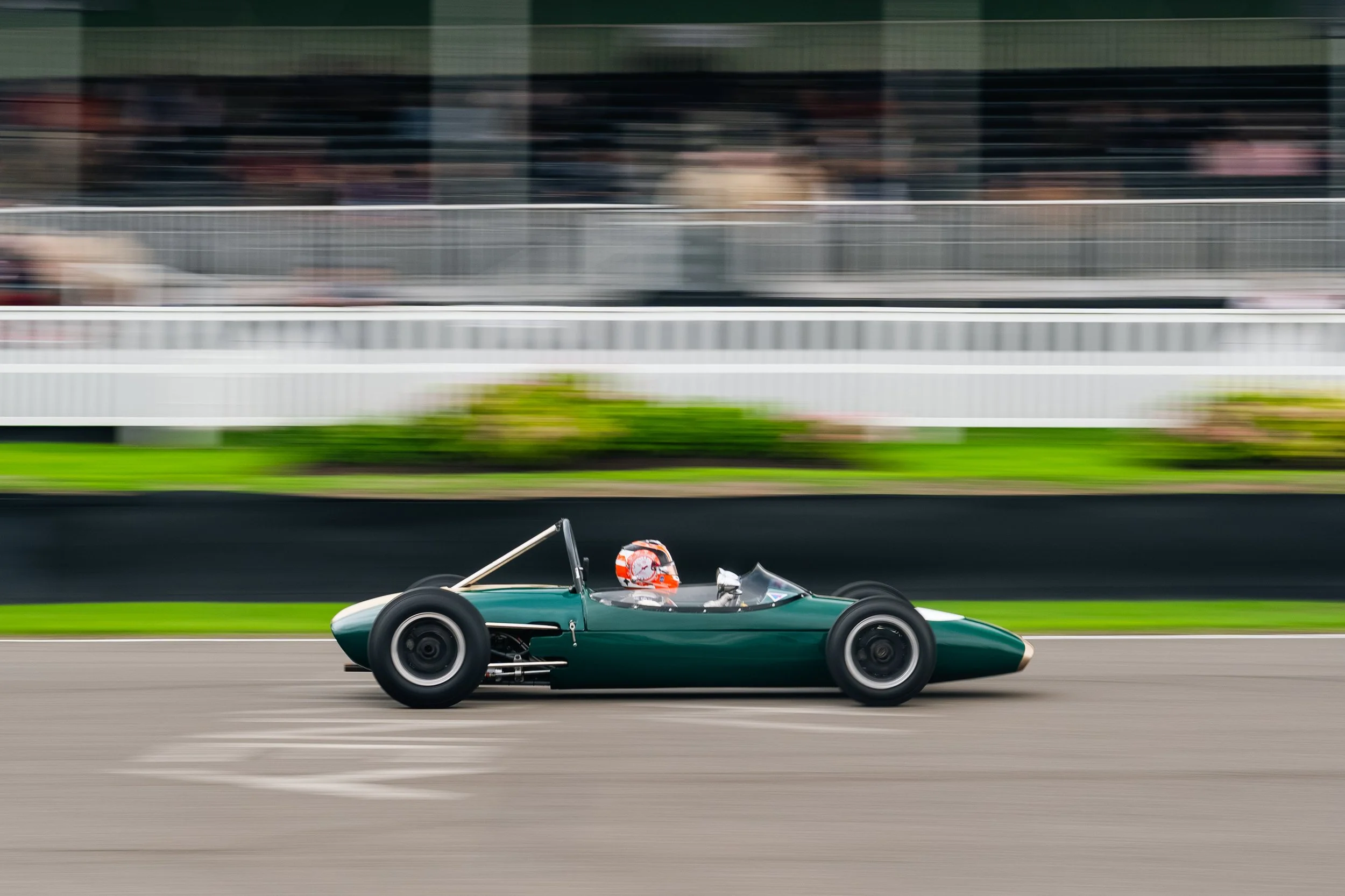
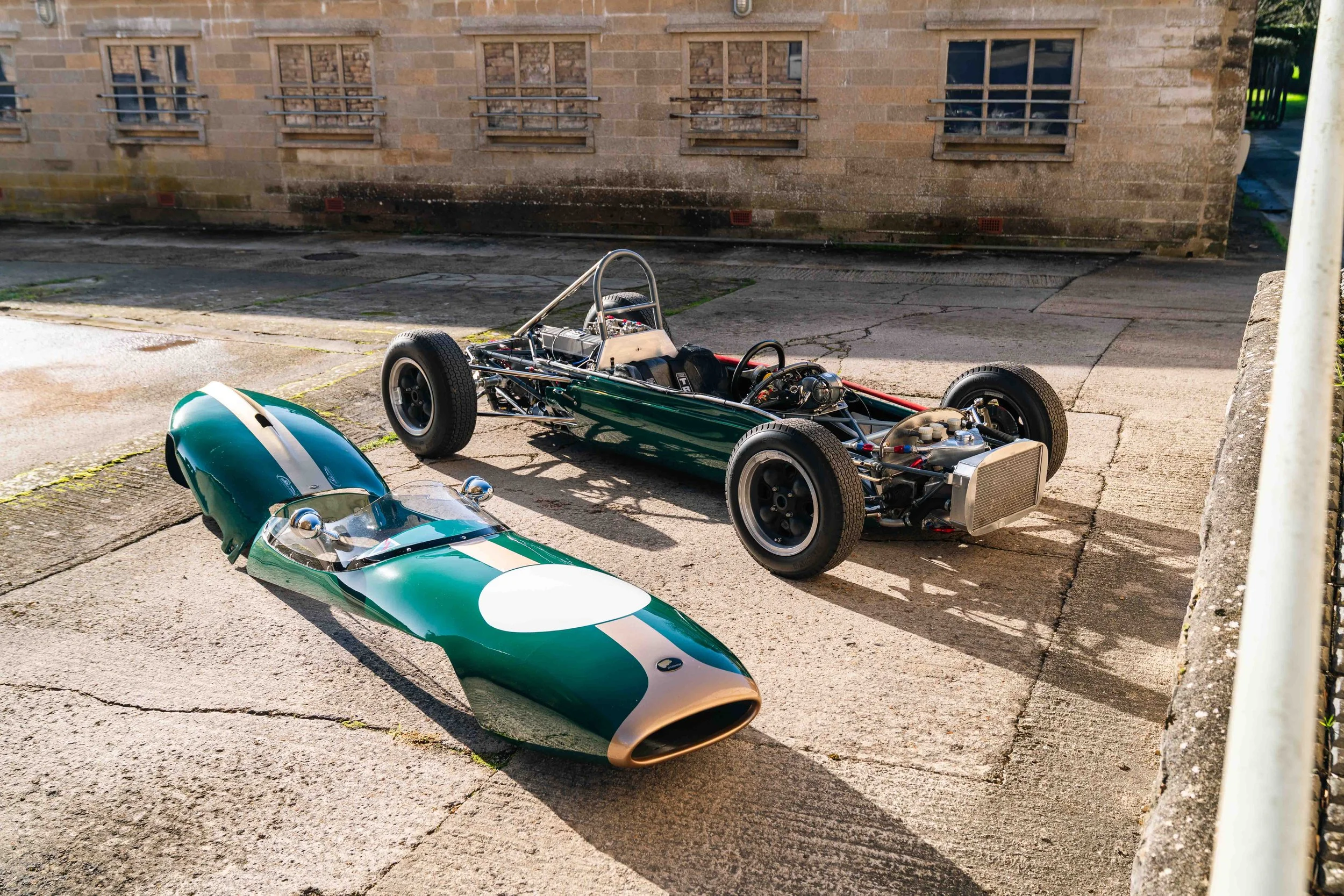
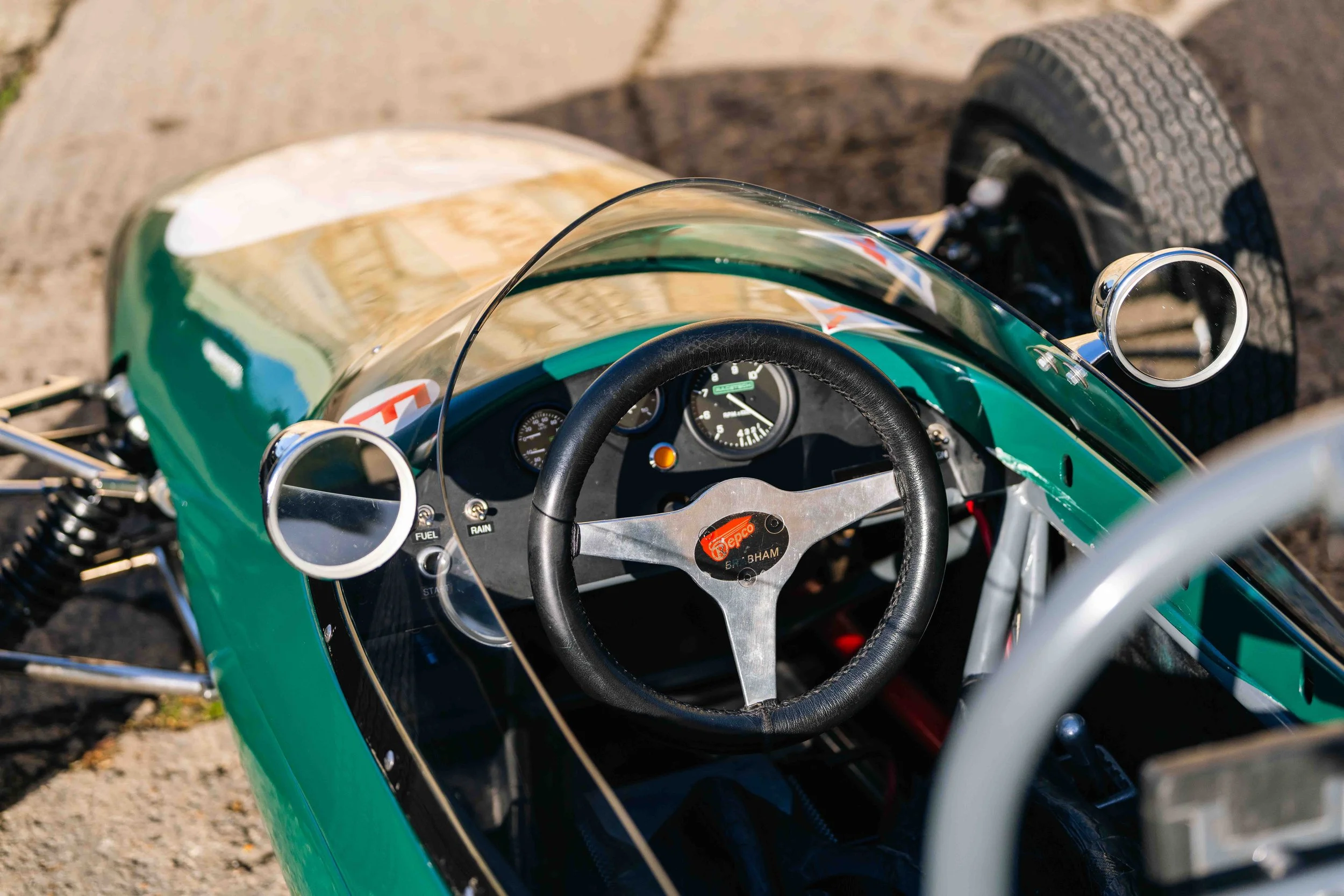
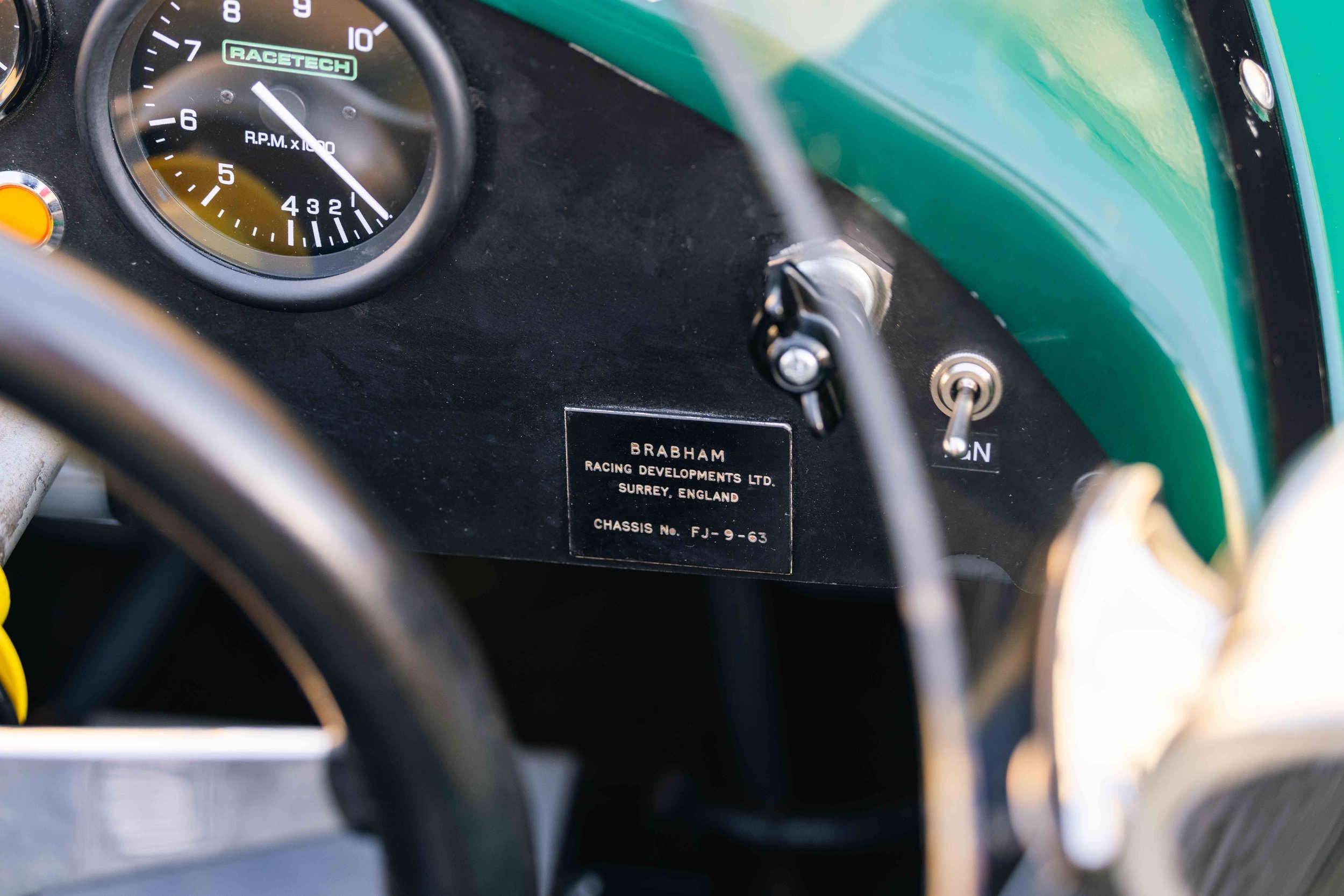
The ex-works Brabham-Ford BT6, chassis FJ-9-63 – entrusted to future Formula 1 World Champion Denny Hulme for Brabham’s 1963 Formula Junior campaign.
One of the most successful BT6s of the period, delivering six victories, multiple fastest laps, and second-places in the British Formula Junior Championship, together with no less than 9 pole positions from 14 starts.
A key chassis in Brabham’s formative years, embodying Jack Brabham and Ron Tauranac’s design philosophy at the height of Formula Junior’s technical evolution.
Subsequently re-engined with a Lotus Twincam for Frank Gardner to race in the 1964 Tamsan Series under the Alec Mildren Racing banner, becoming the first Brabham to be fitted with such an engine.
Winner of the 1965 New Zealand 1.5 Litre Formula Championship with Roly Levis.
Long and meticulously documented history, carefully developed for historic racing since being purchased by its current owner in 2017.
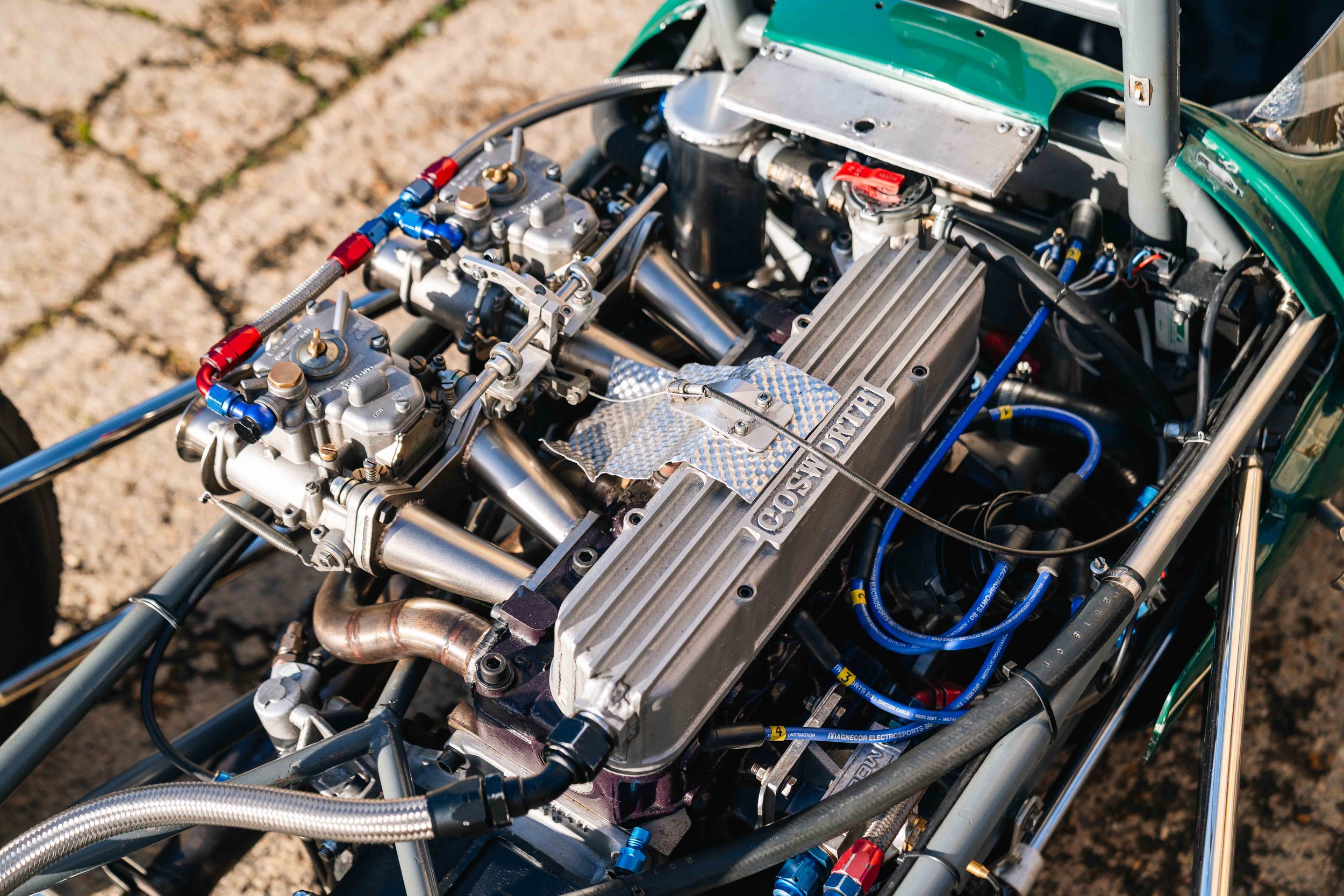
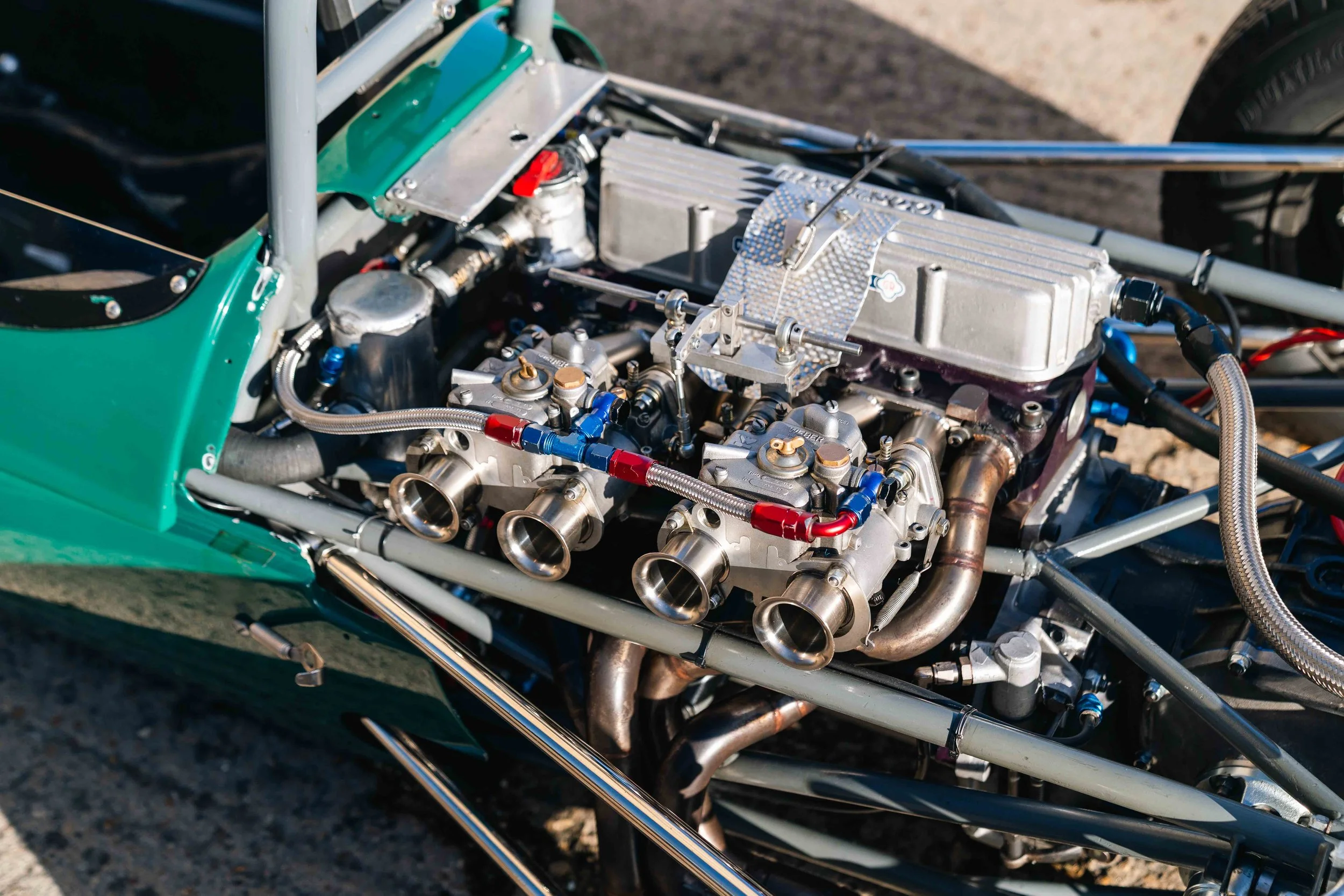
A multiple winner in the current ownership and equipped with a top-spec Geoff Richardson engine. Accompanied by valid FIA HTPs within a mammoth history file and a useful spares package.
Highly eligible for the best Formula Junior grids, including the FIA Lurani Trophy, the FJHRA championship, and future Goodwood Revival Chichester Cup appearances.
Price: £POA
Chassis Number: FJ-9-63
Brabham’s Final Formula Junior
Few names in post-war motor racing carry the quiet authority of Brabham. Established in 1960 by the newly-crowned double Formula 1 World Champion Jack Brabham and gifted engineer Ron Tauranac, the operation was rooted in a shared philosophy: to build racing cars that were light, structurally efficient, and simple to maintain. Working from modest premises in Surrey, the pair quickly turned Brabham into one of the most respected racing car constructors of the 1960s.
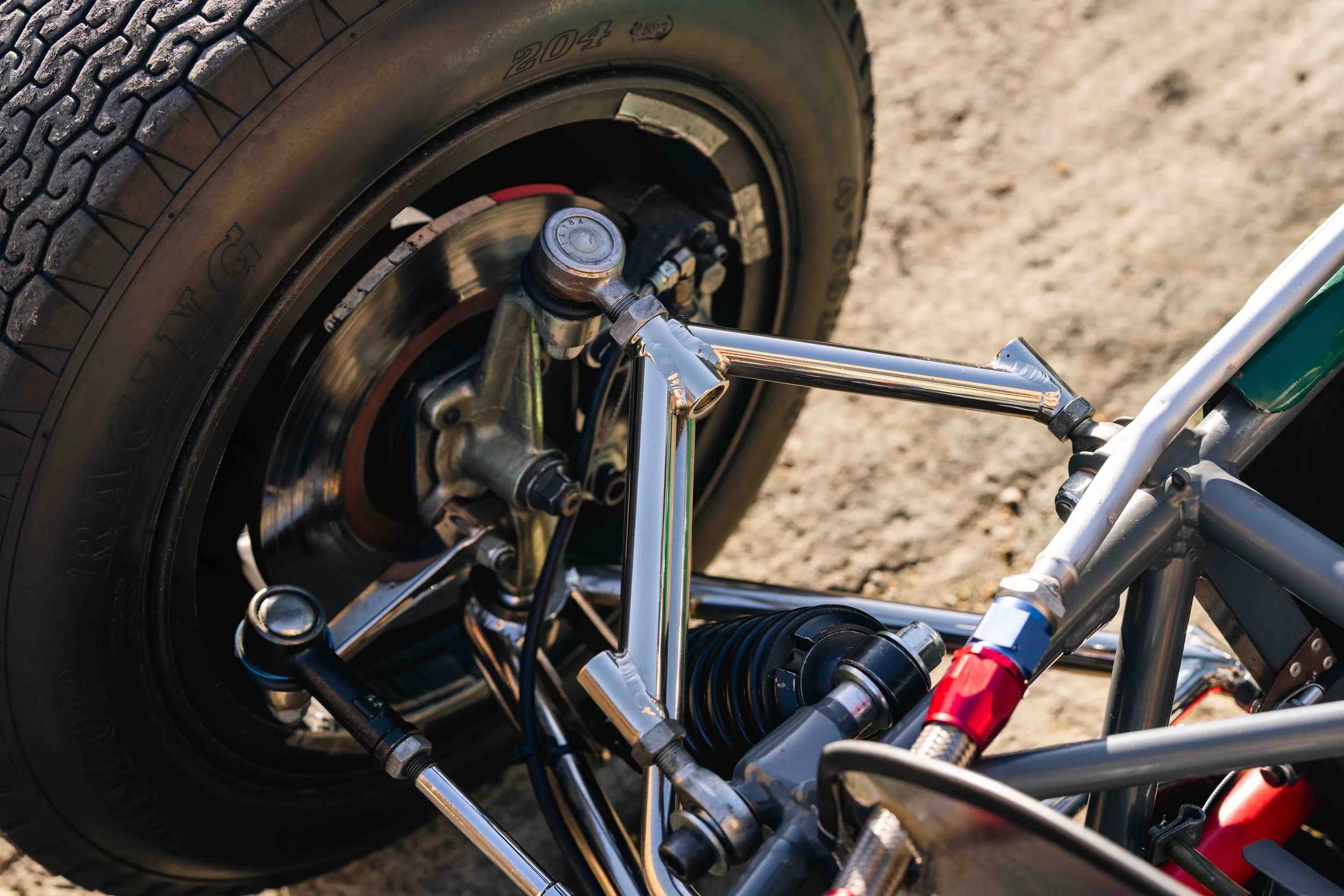
Formula Junior provided an ideal proving ground for their ideas. Conceived as an accessible international category for young drivers by Count Giovanni ‘Johnny’ Lurani in 1958, it stimulated intense technical development as manufacturers sought to extract ever more performance from small-capacity engines and lightweight chassis. Brabham entered the class with its BT2 in 1962, featuring a tubular spaceframe, neatly executed suspension, and a focus on simplicity. Its competitiveness confirmed that the young marque was capable of challenging more established names.
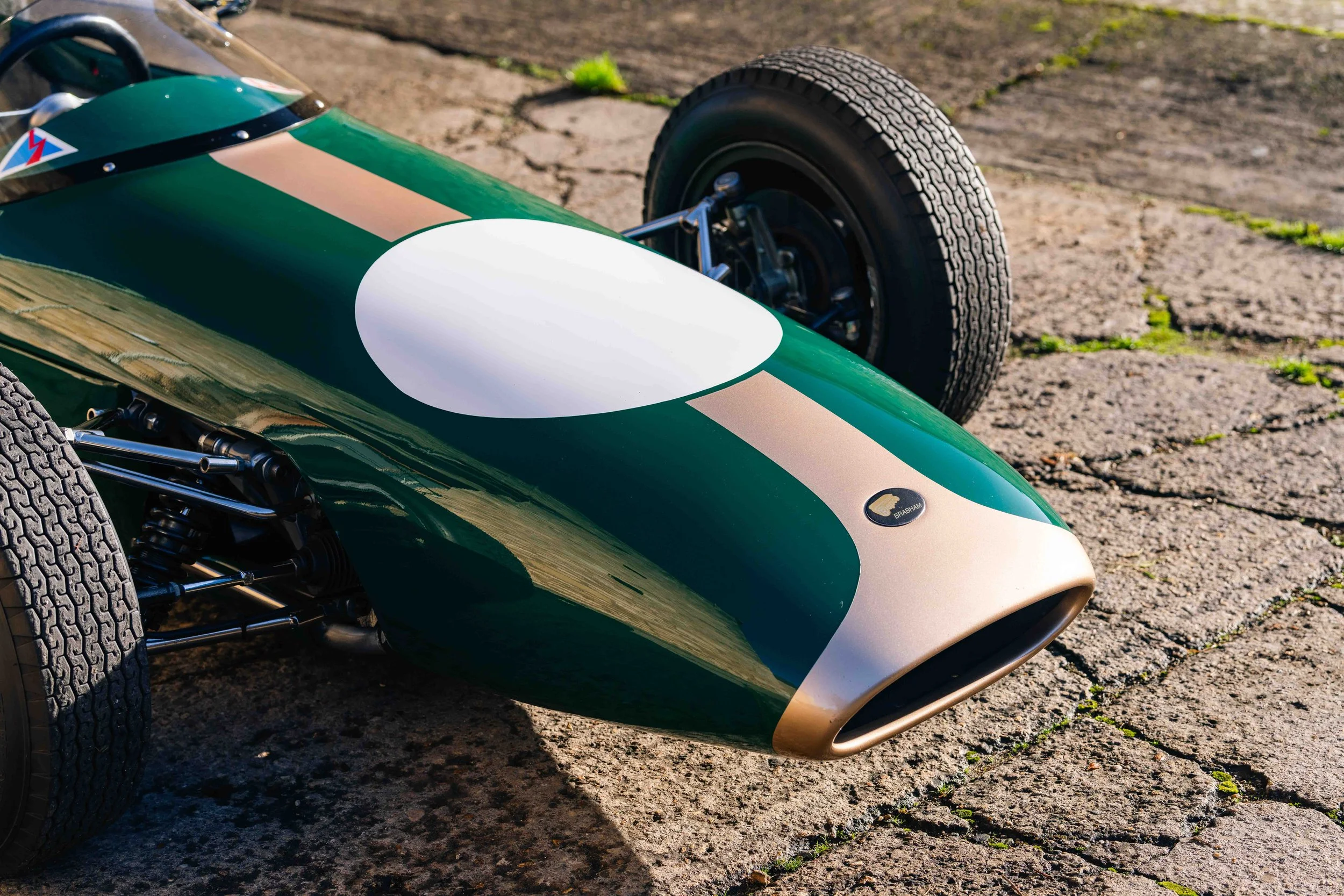
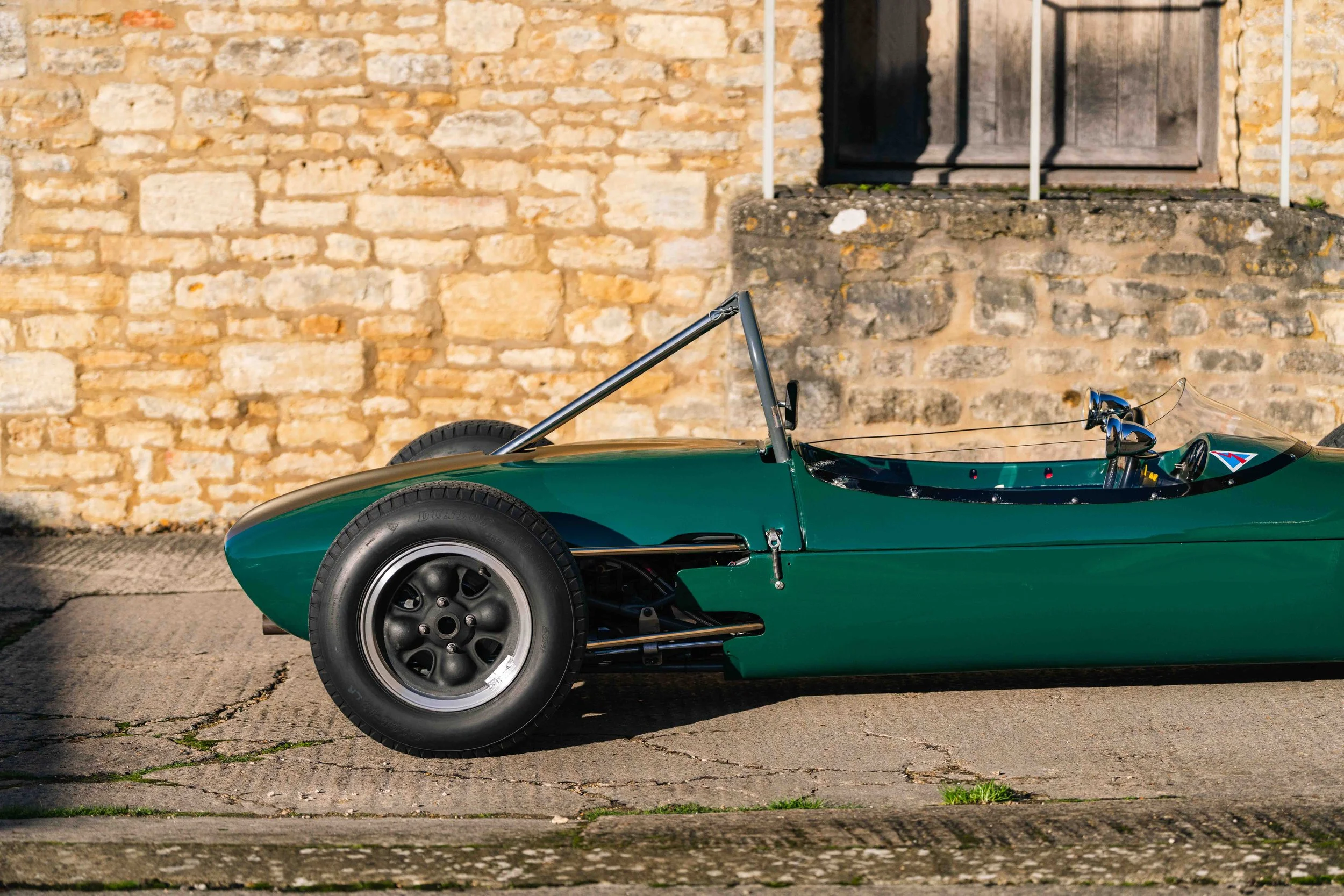
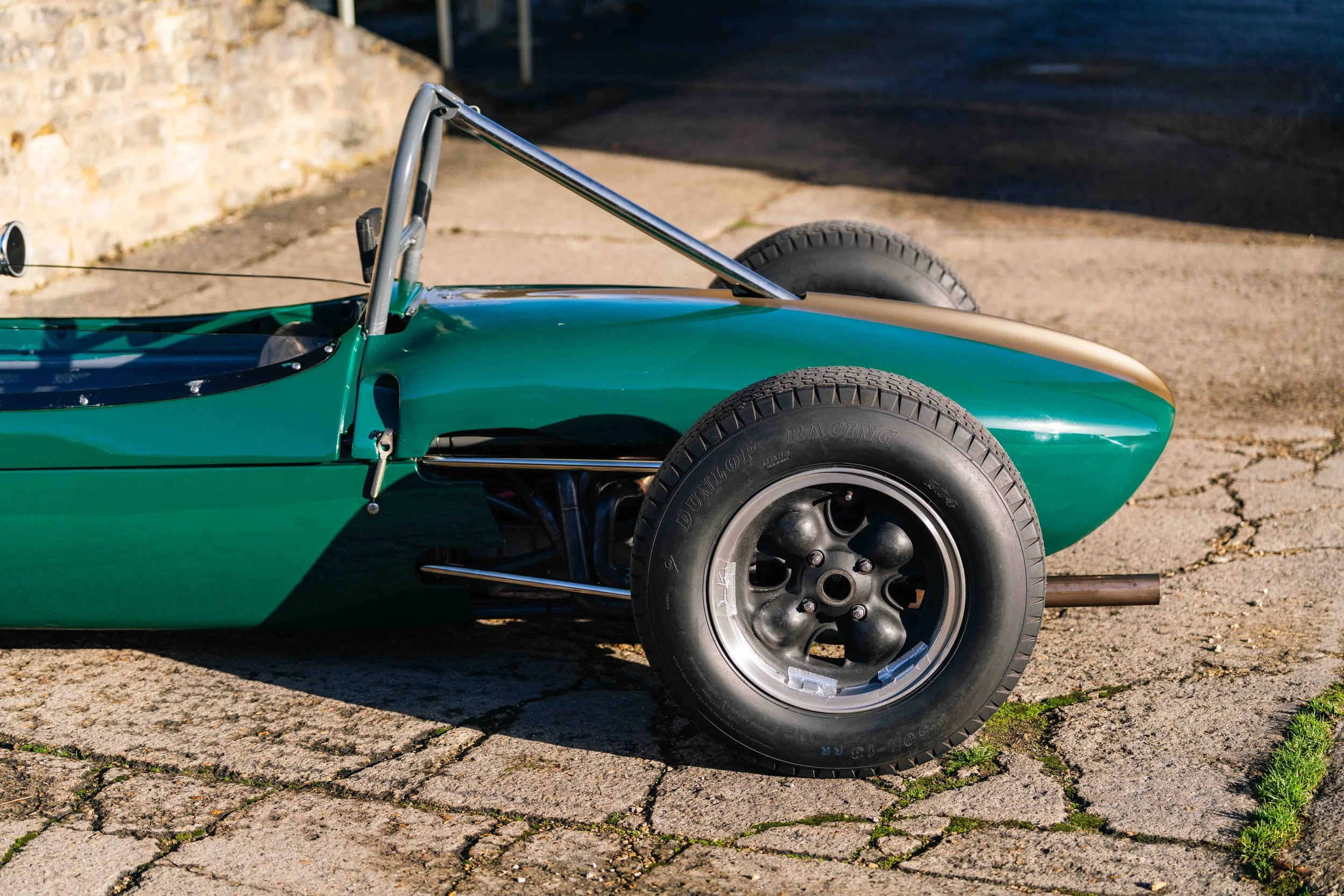
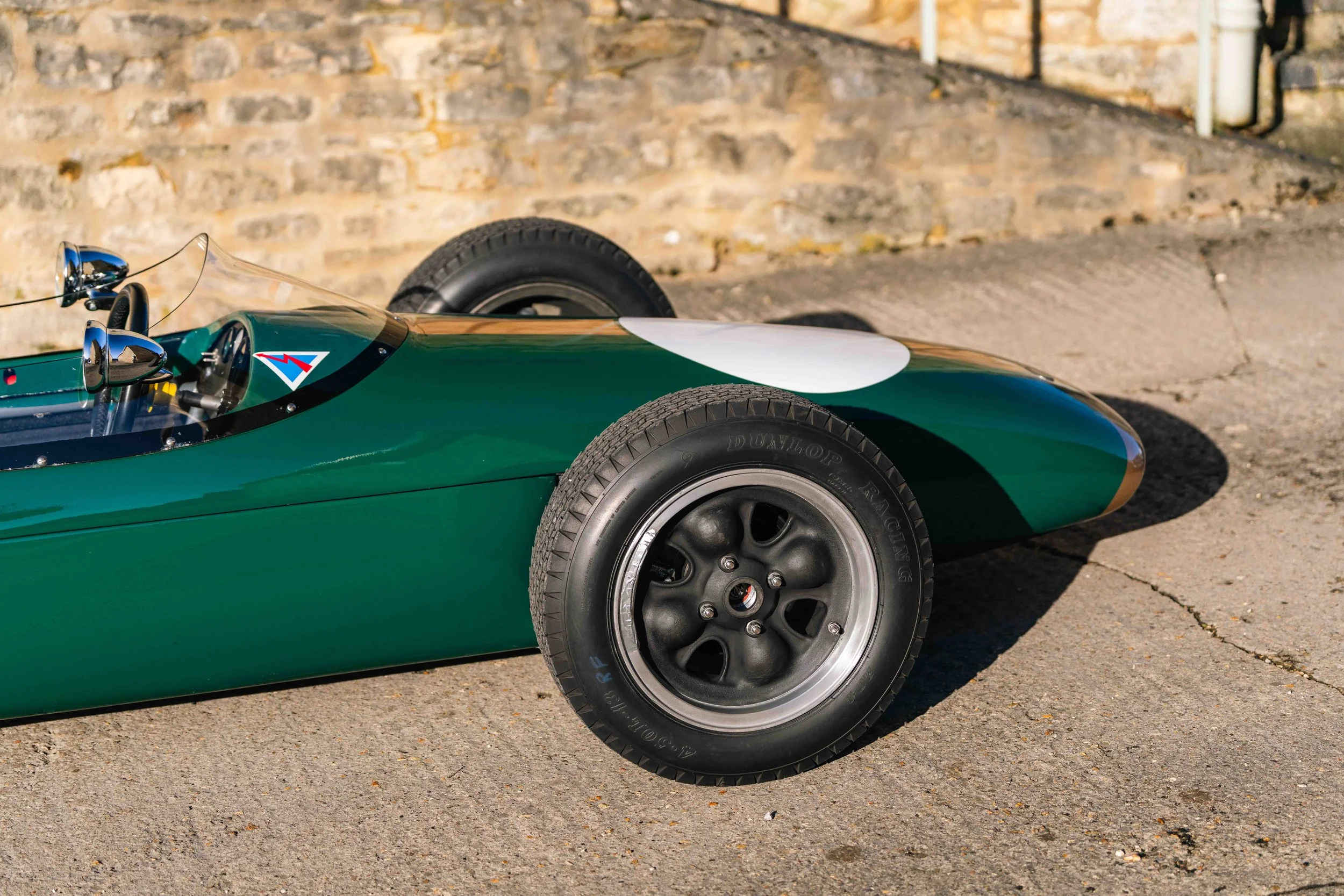
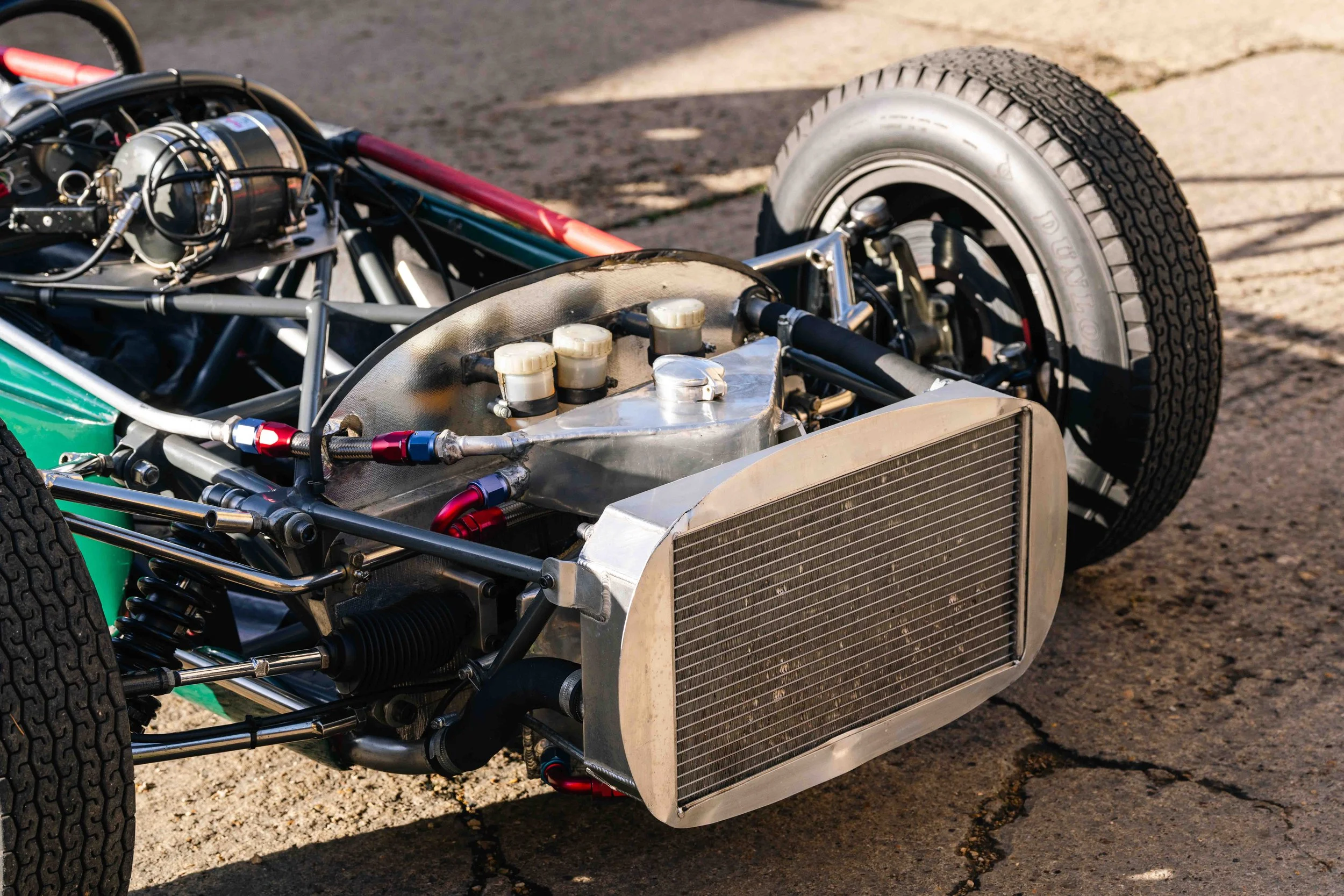
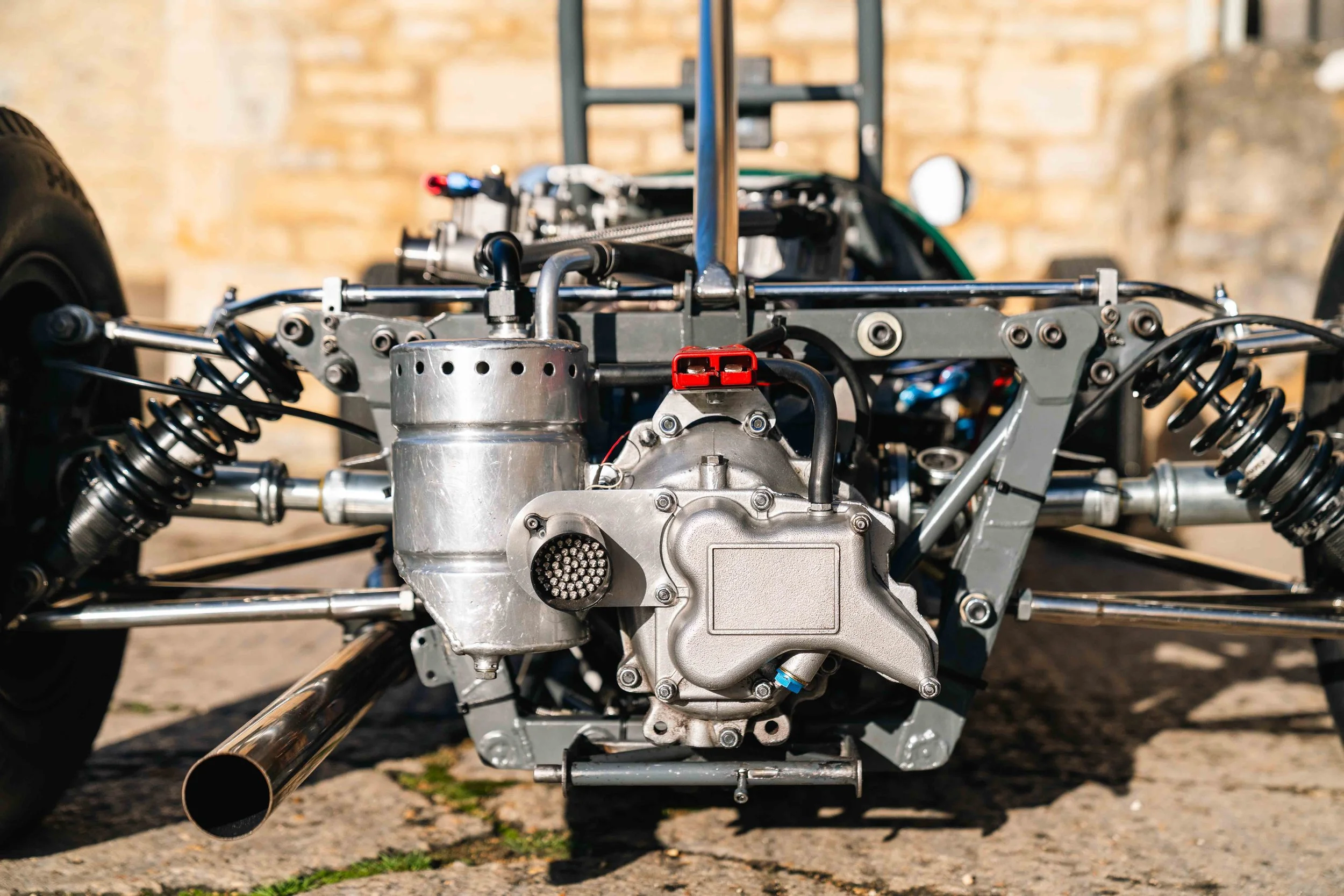
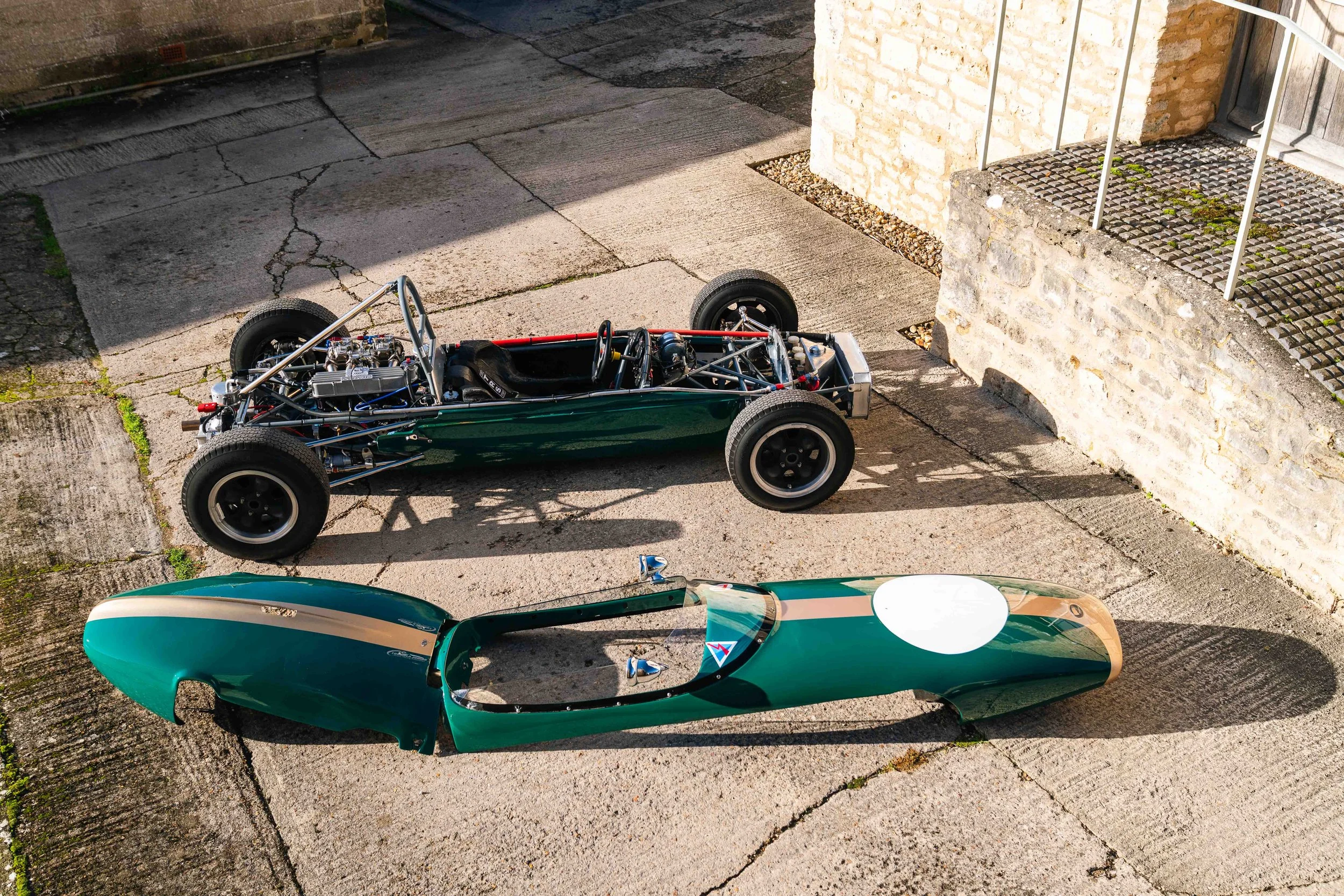
For 1963 the team introduced the BT6, a direct evolution of the BT2 and the final Brabham built specifically for Formula Junior. Tauranac refined the chassis to increase stiffness while shaving unnecessary mass, and suspension geometry was further developed to improve both turn-in and stability. The bodywork, with its distinctive front-mounted radiator and smooth, purposeful lines, reflected a growing sophistication within the Brabham workshops.
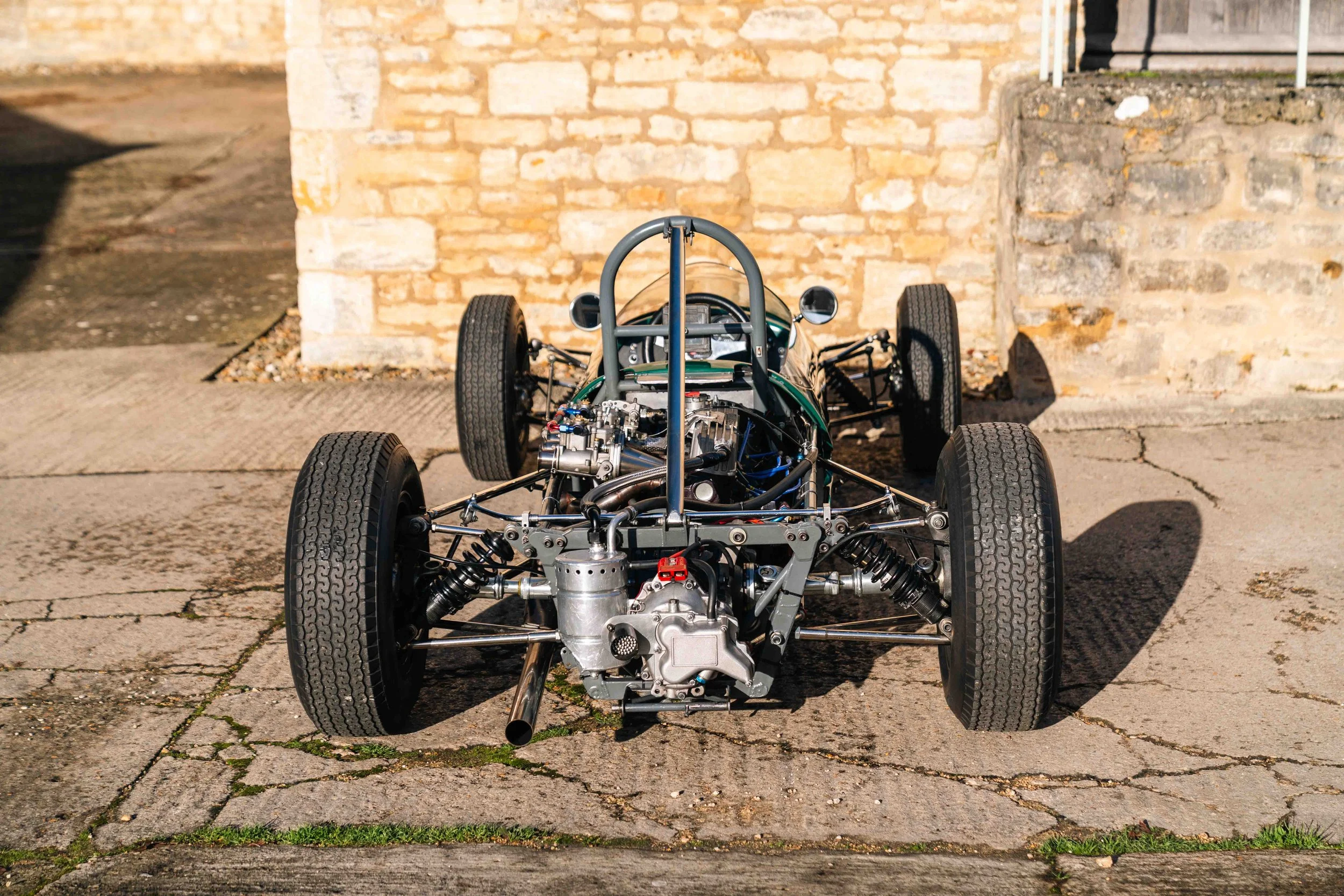
The BT6 quickly attracted leading talent. Drivers such as Denny Hulme, Frank Gardner, and Jochen Rindt all campaigned BT6s during the fiercely contested closing years of Formula Junior, using the car as their route into higher categories. Typically powered by the preferred 1100cc Cosworth-tuned Ford 105E four-cylinder engine, BT6s were entered widely in national and international events, helping to establish Brabham as a regular and increasingly influential presence in junior single-seater racing.
This car - FJ-9-63
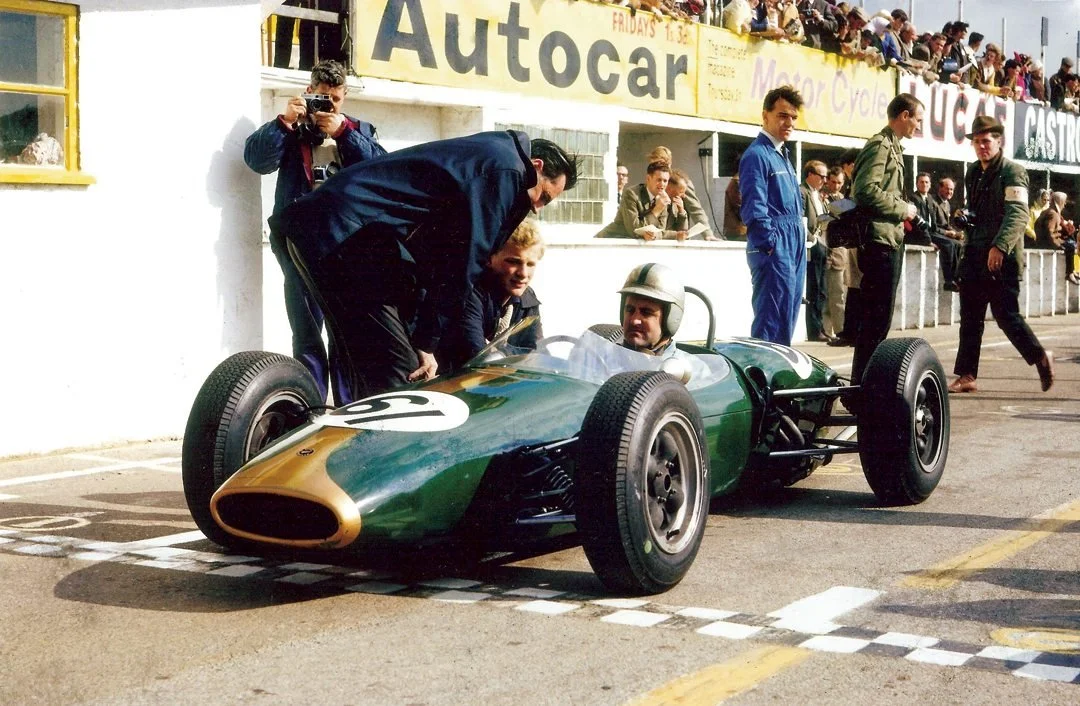
Chassis FJ-9-63 was built by the Brabham Racing Organisation as the works entry for Denny Hulme during the final season of Formula Junior in 1963. Hulme had come to the attention of Jack Brabham and Ron Tauranac when Australian racer – and future three-time British Saloon Car Champion – Frank Gardner departed to join Ian Walker’s team at the end of the 1962 season.
Brabham offered Hulme a position as a mechanic, with the possibility of occasional drives. His first significant opportunity came at Crystal Palace, where he rewarded the team’s faith with pole position and a fourth-place finish. A short time later at Brands Hatch he claimed his maiden win, setting a new lap record in the process.
For 1963, Brabham produced the updated BT6, and Hulme was entrusted with FJ-9-63 to contest a wide programme of British and European Formula Junior events. Over the course of fourteen races he achieved six outright victories, four second places and a third, along with nine pole positions, multiple fastest laps and lap records.
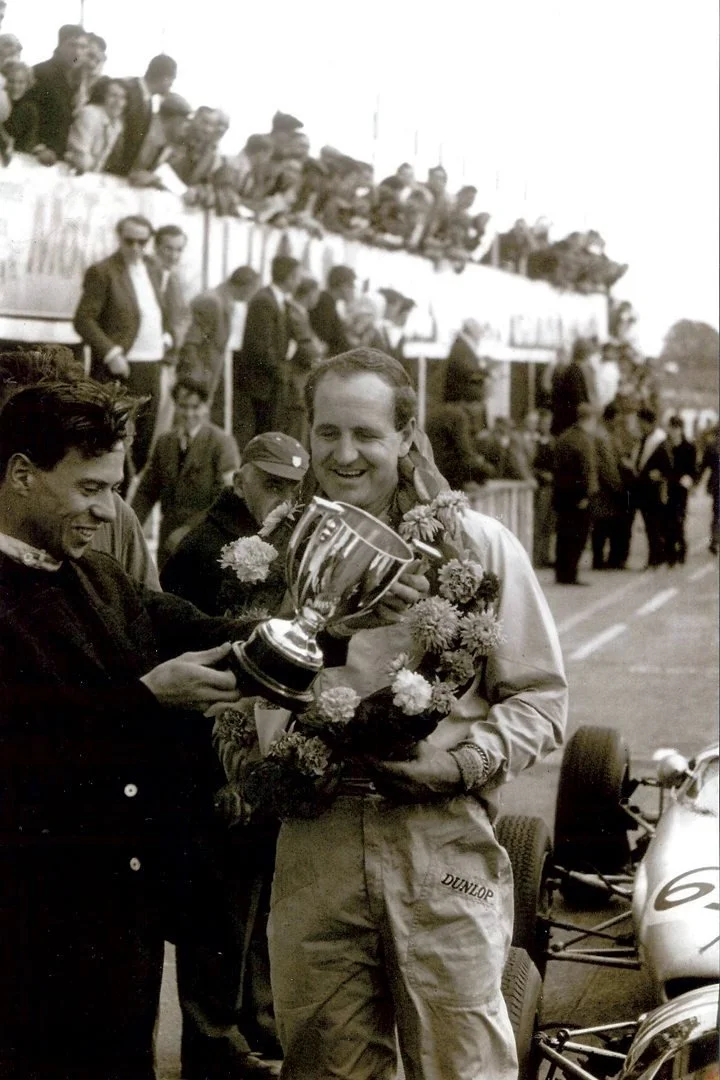
Hulme’s consistently impressive performances secured second place in the British Formula Junior Championship – bested only by Lotus driver Peter Arundell by a single point – and generated considerable press attention for the rapidly emerging Brabham marque. The car’s final period Formula Junior appearance came at Snetterton in September 1963, where Hulme took pole position before securing victory and setting a new lap record.
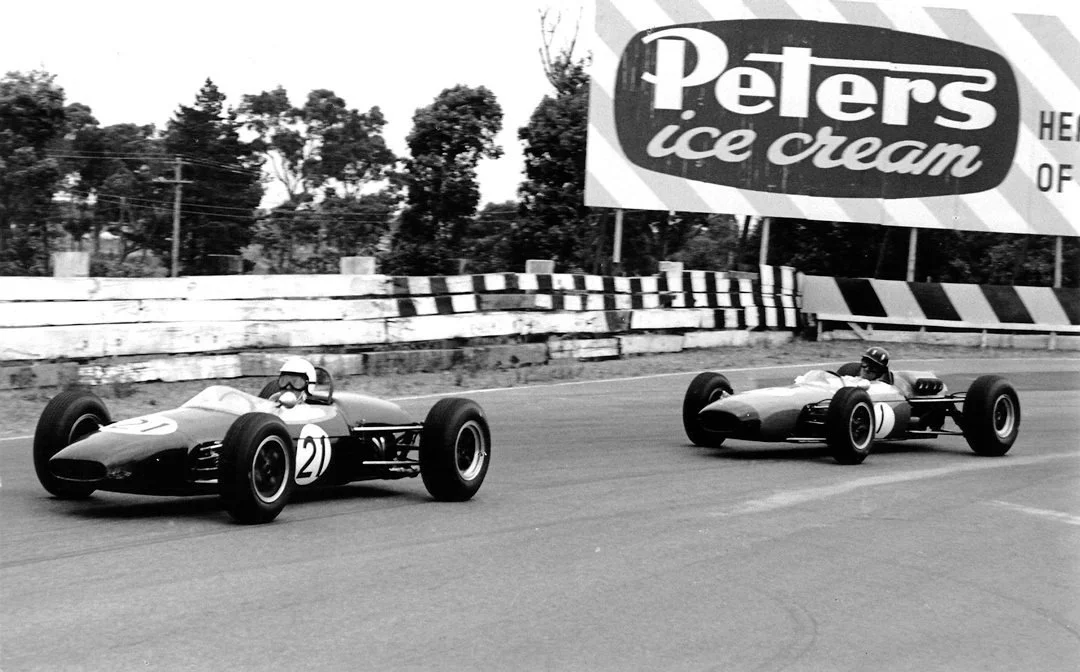
Following the end of Formula Junior racing in Europe at the end of 1963, FJ-9-63 was reconfigured by the Brabham factory with a 1.5-litre Lotus-Ford twin-cam engine and shipped to Australia for the 1964 season. There, it was run by Alec Mildren Racing for Frank Gardner in national and Tasman-series events, continuing the strong bond between the car and the antipodes.
Later in 1964, FJ-9-63 was sold to Roly Levis, who campaigned it in New Zealand through 1965 and 1966. Levis found success with the BT6, winning the 1965 New Zealand 1.5 Litre Formula Championship. It then passed to Bill Stone – later a co-founder of Reynard Cars – who drove it during the 1966/67 and 1967/68 seasons before selling it to Gerald ‘Jiggs’ Alexander in September 1968.
Alexander raced the car through to 1970, after which he dismantled it with the intention of undertaking a full restoration. The project remained incomplete until 1999, when the car was sold to Ian McDonald in Australia. McDonald completed the restoration and returned FJ-9-63 to competition in historic events from 2001, later passing it to Ed Holly in 2006 who continued racing the BT6 in Australian Historic races with further victories.
In early 2017, FJ-9-63 was bought by the current owner and returned to its original Formula Junior specification. Powered by a high-specification Geoff Richardson engine, it has continued its winning ways and secured numerous strong results, and completing its most recent race at Misano in October 2025.
As a late-era works Brabham BT6, FJ-9-63 sits in the most coveted – and fastest – class of historic Formula Junior competition, making it an immediate contender for the FIA Lurani Trophy across Europe as well as a natural fit for the full Formula Junior Historic Racing Association (FJHRA) season in the UK. The championship is supported by a famously welcoming and knowledgeable community, where camaraderie in the paddock is as much a hallmark as the quality of the racing.
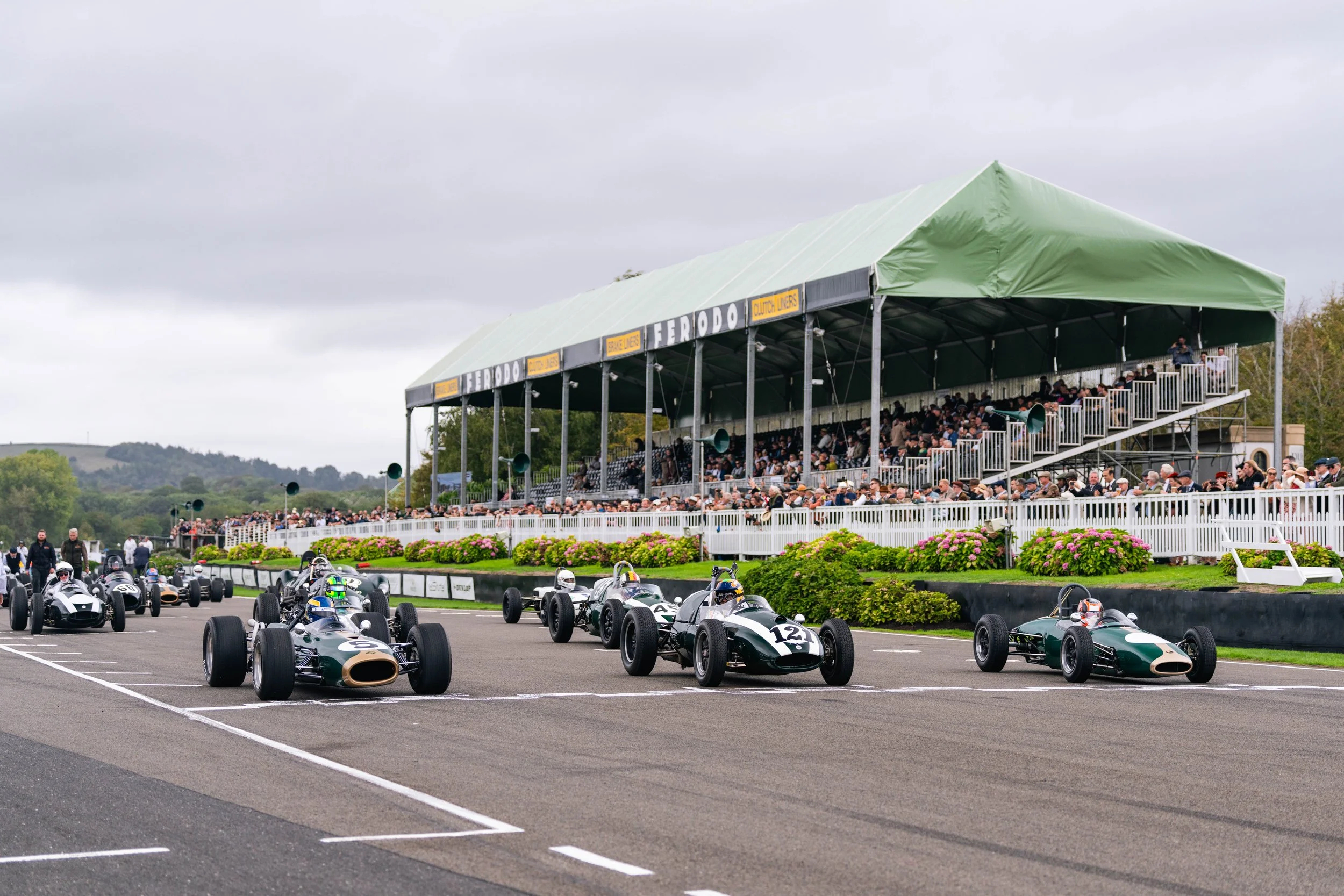
FJ-9-63’s fantastic provenance also makes it a strong candidate for blue-riband invitations such as the Chichester Cup at the Goodwood Revival (the grid for this car will next run in 2027), where the very finest Formula Juniors are showcased, and a race which this car has twice been invited to. The Formula Junior reach spans the globe and FJ-9-63 also joined the U.S. contingent in 2017 when it raced in the Monterey Historics at Laguna Seca.
For its new custodian, FJ-9-63 offers entry into one of historic racing’s most competitive and rewarding arenas, opening the door to the most prestigious and enjoyable events Formula Junior has to offer – with a car fully capable of running at the sharp end of the grid in the right hands and boasting the ultimate in period pedigree.
Get in touch to find out more
Please feel free to get in touch and I’ll be happy to discuss the car with you.
Either fill in the form to the right or call on 0044 (0) 7535 148 470.