
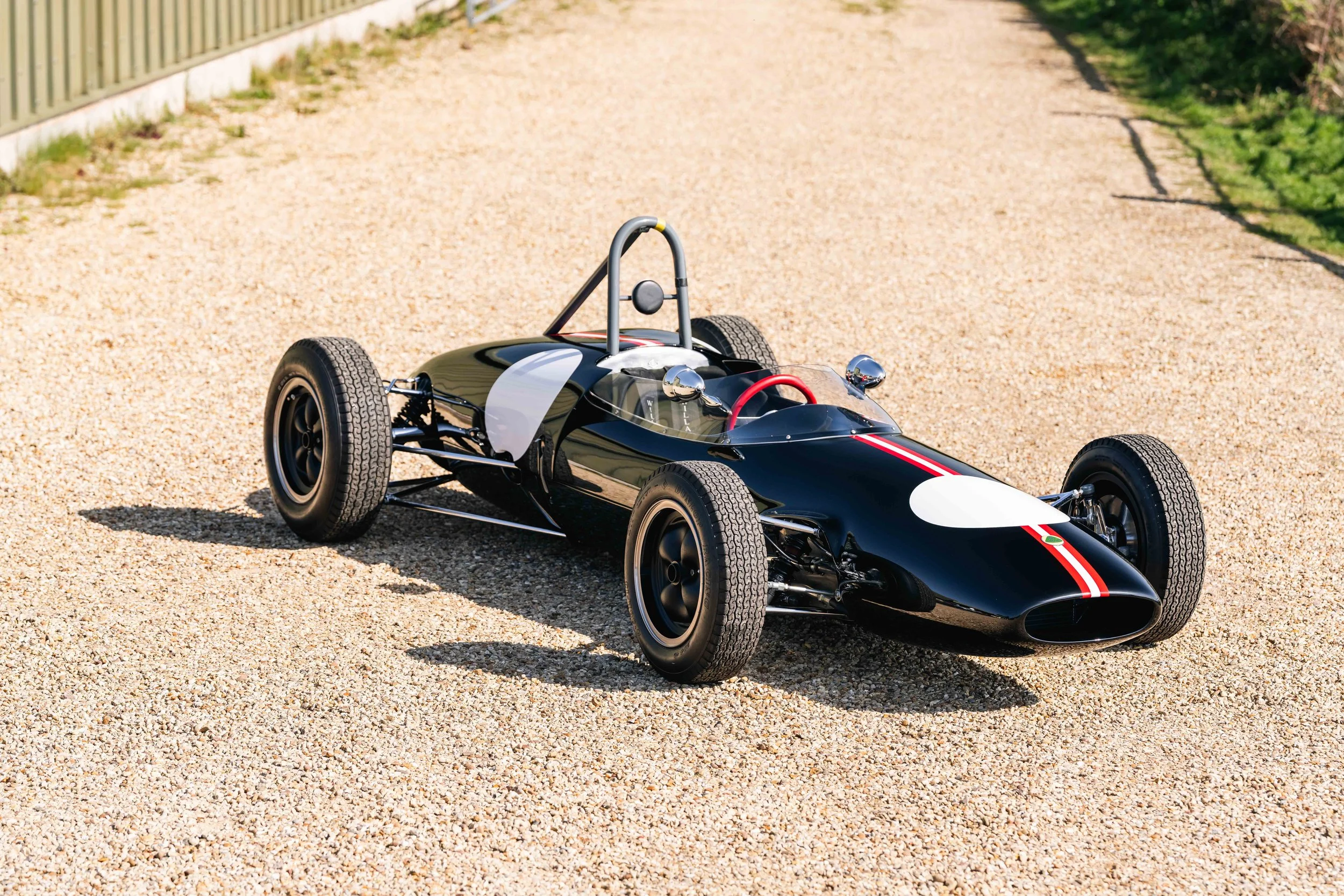
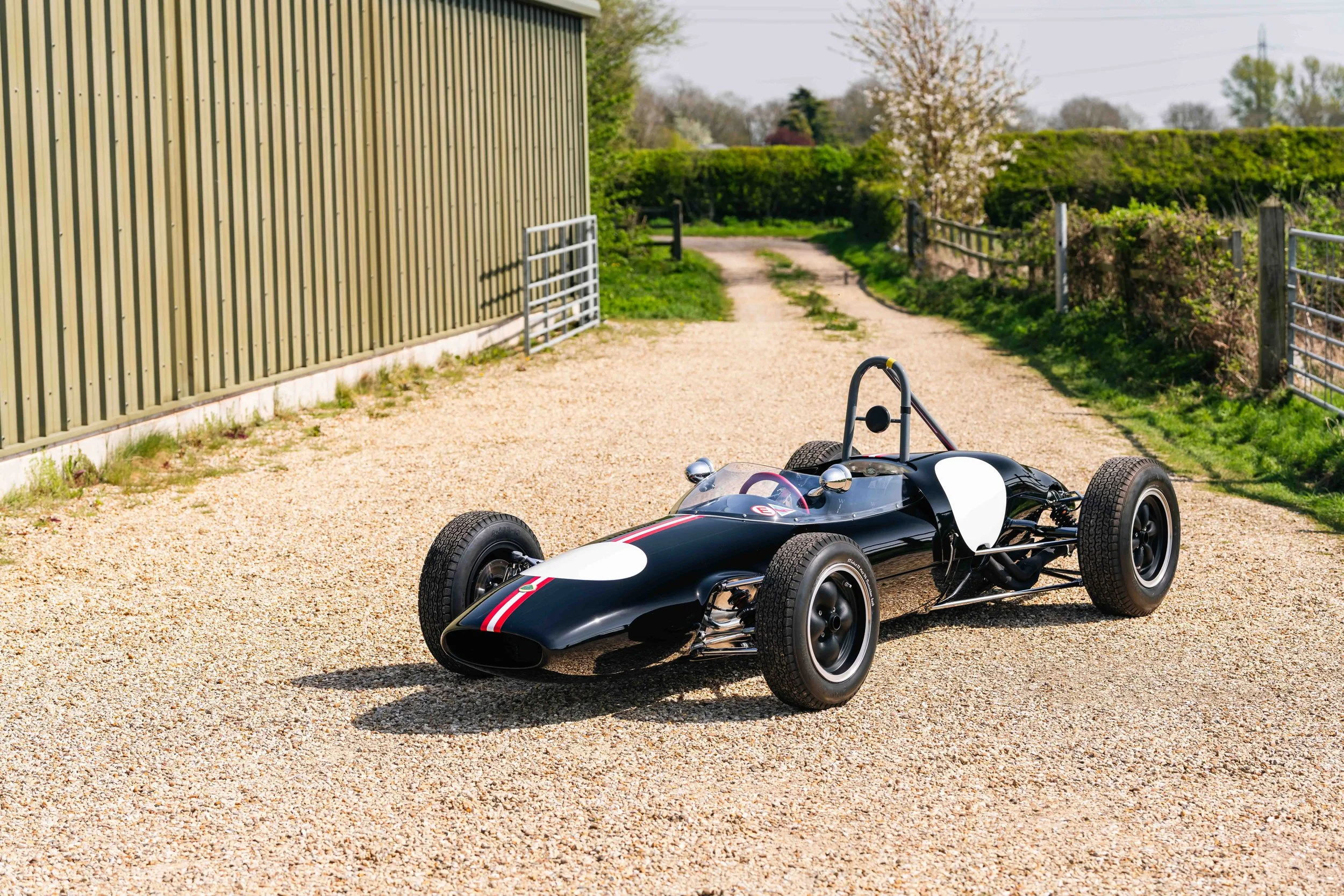
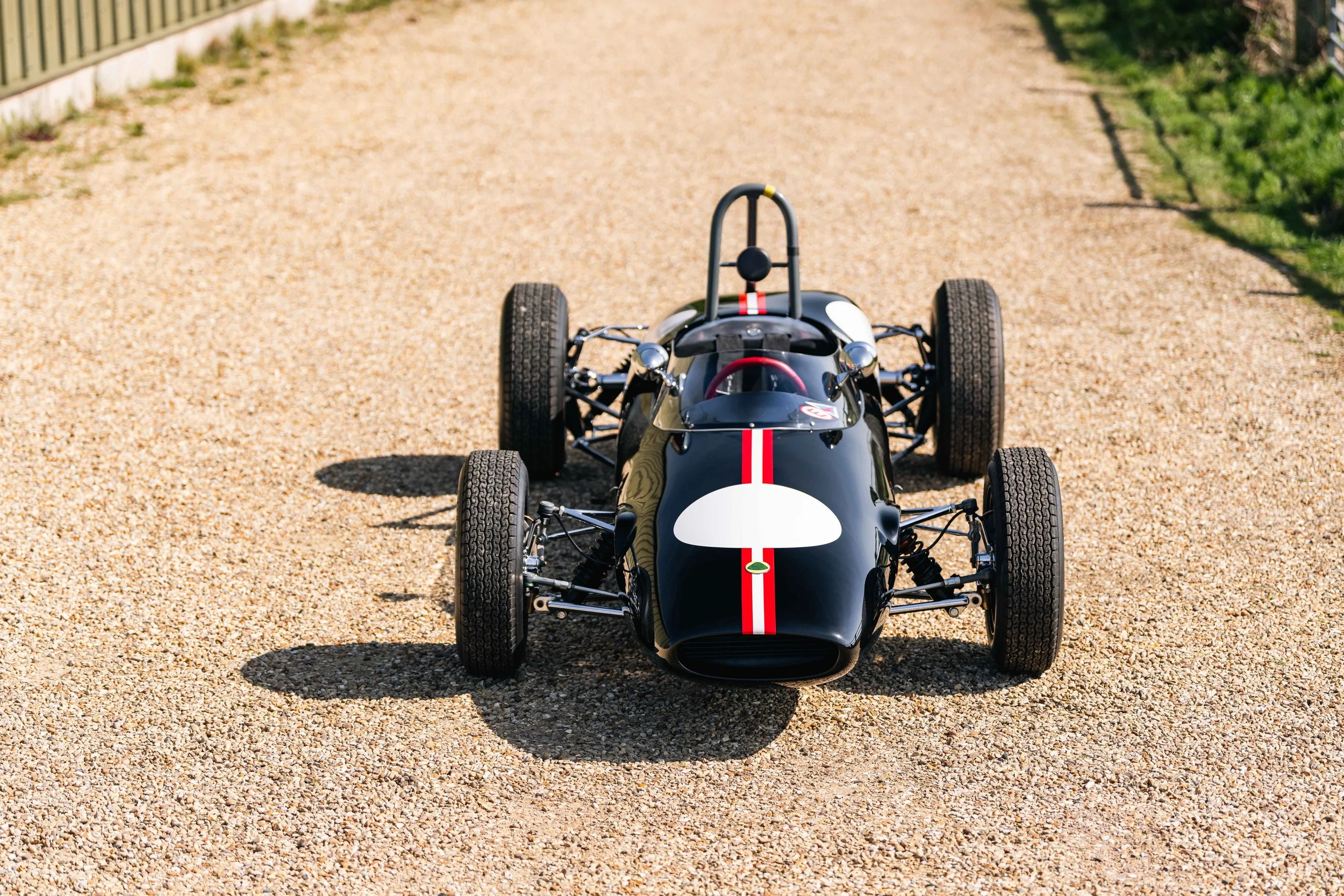
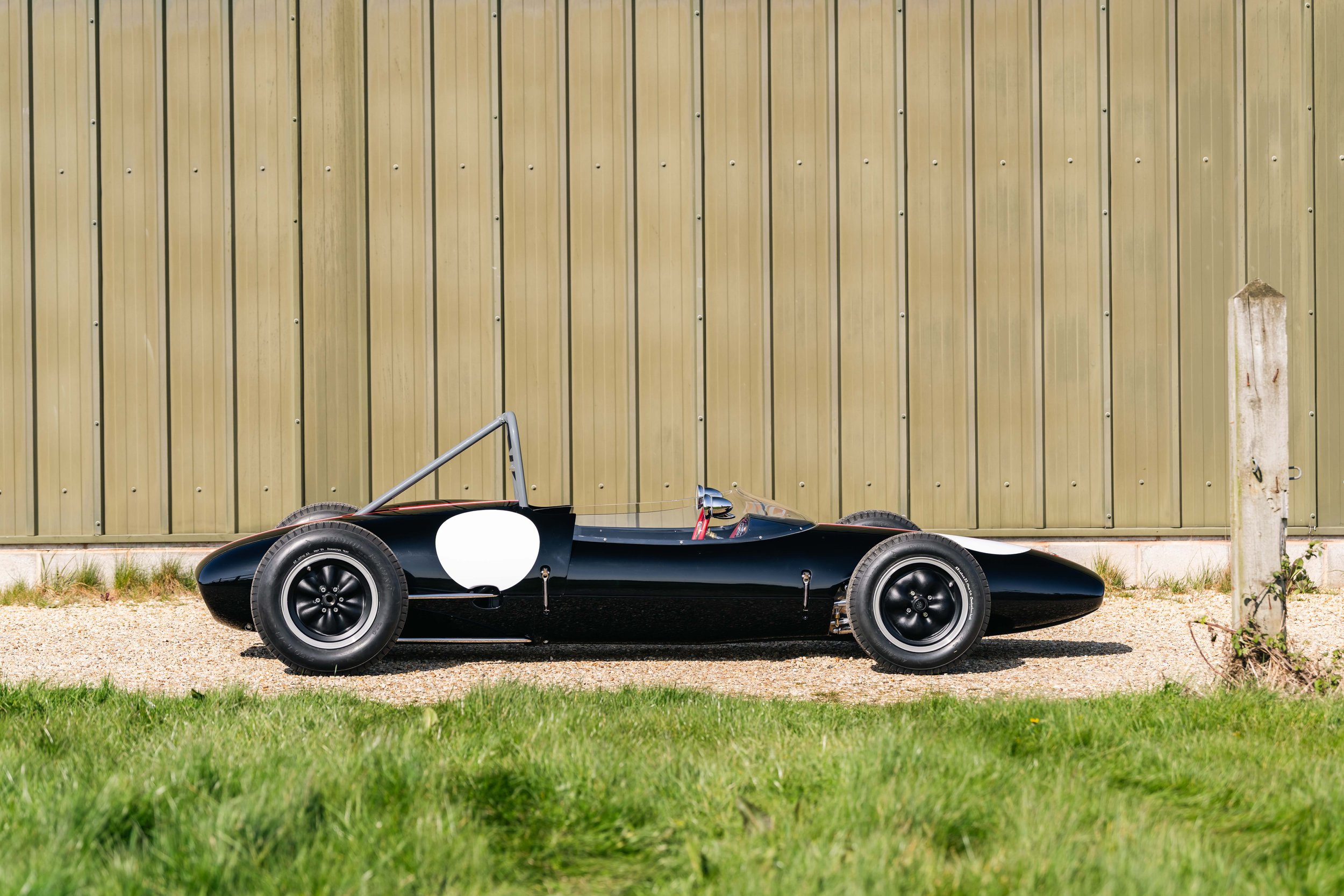
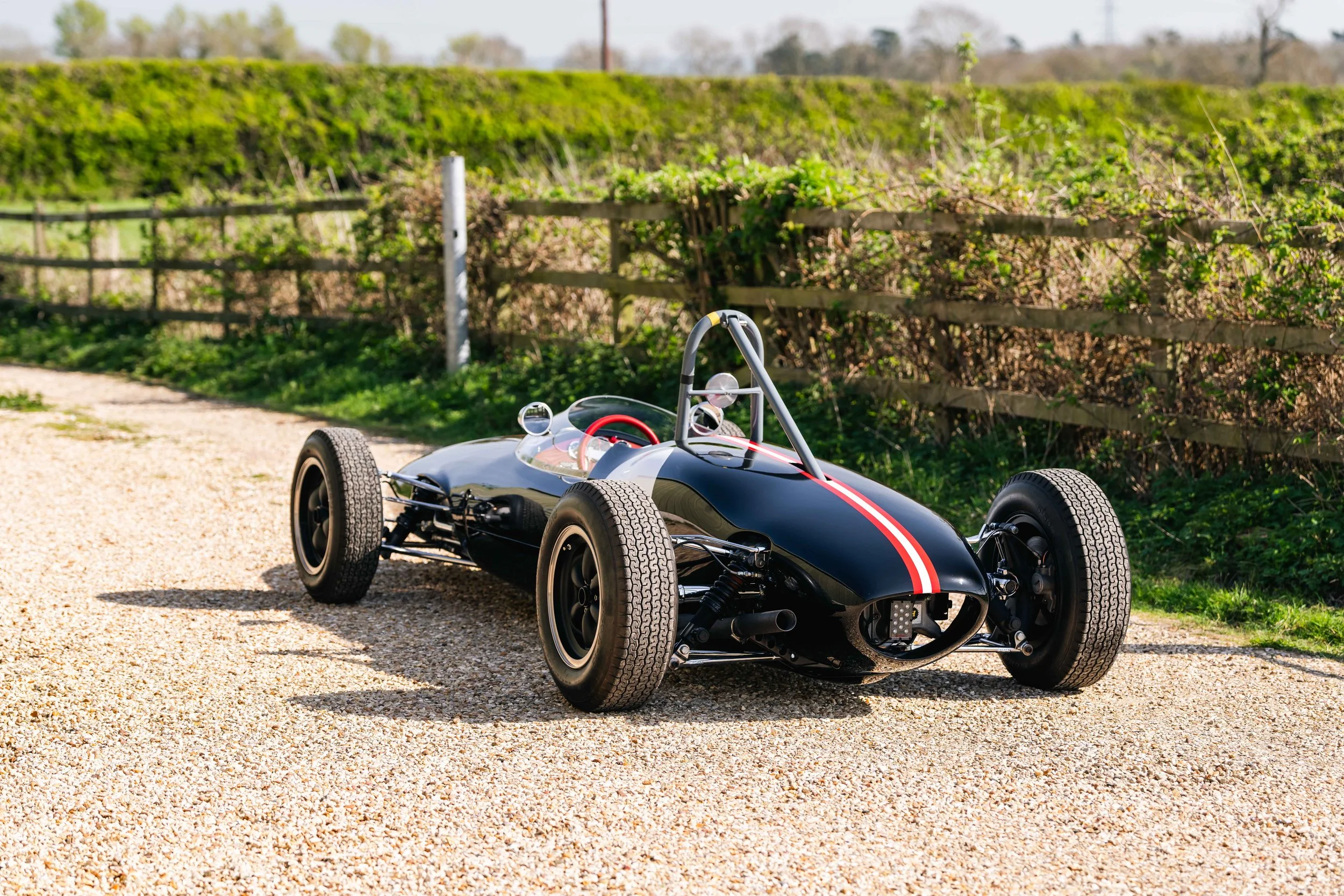
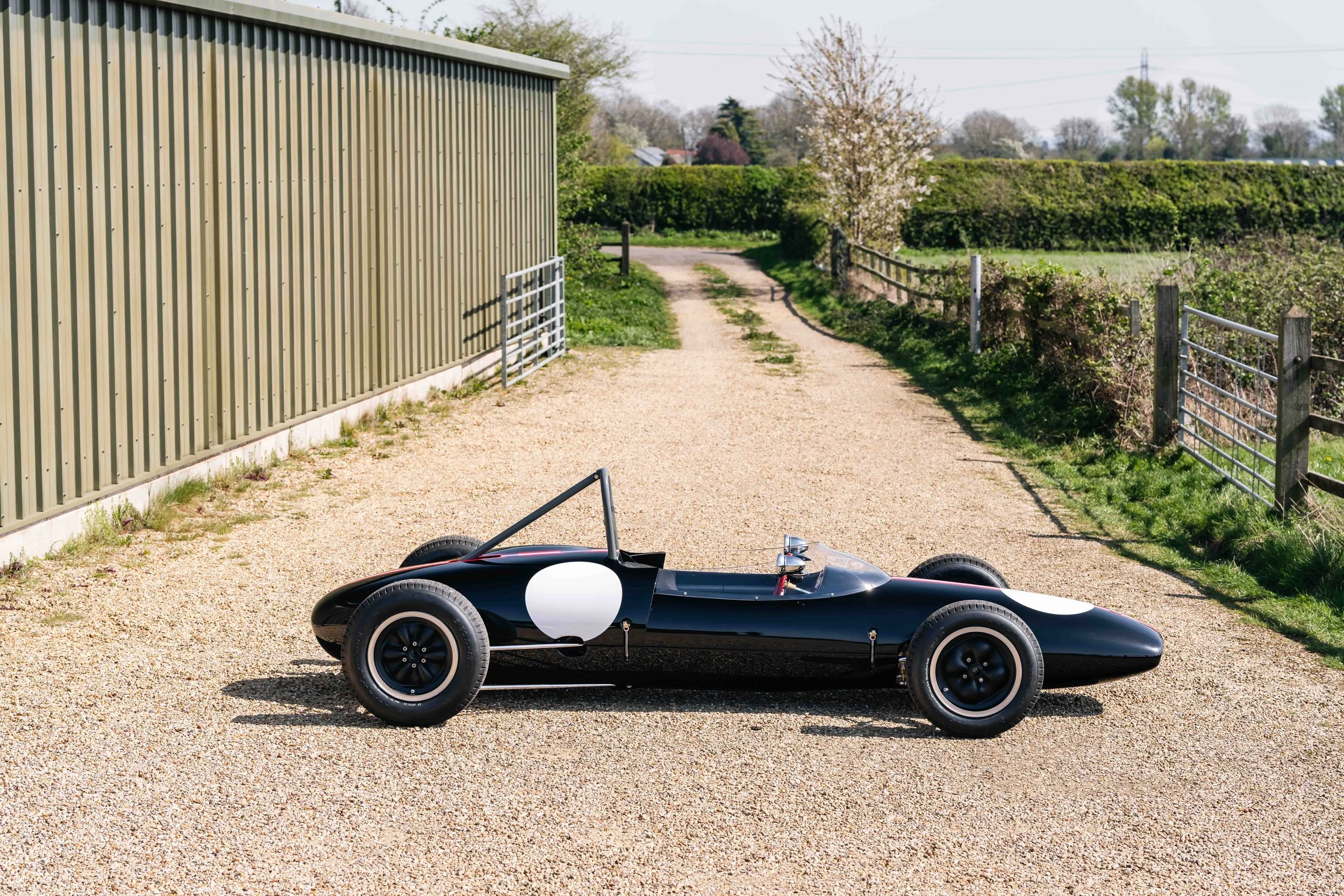
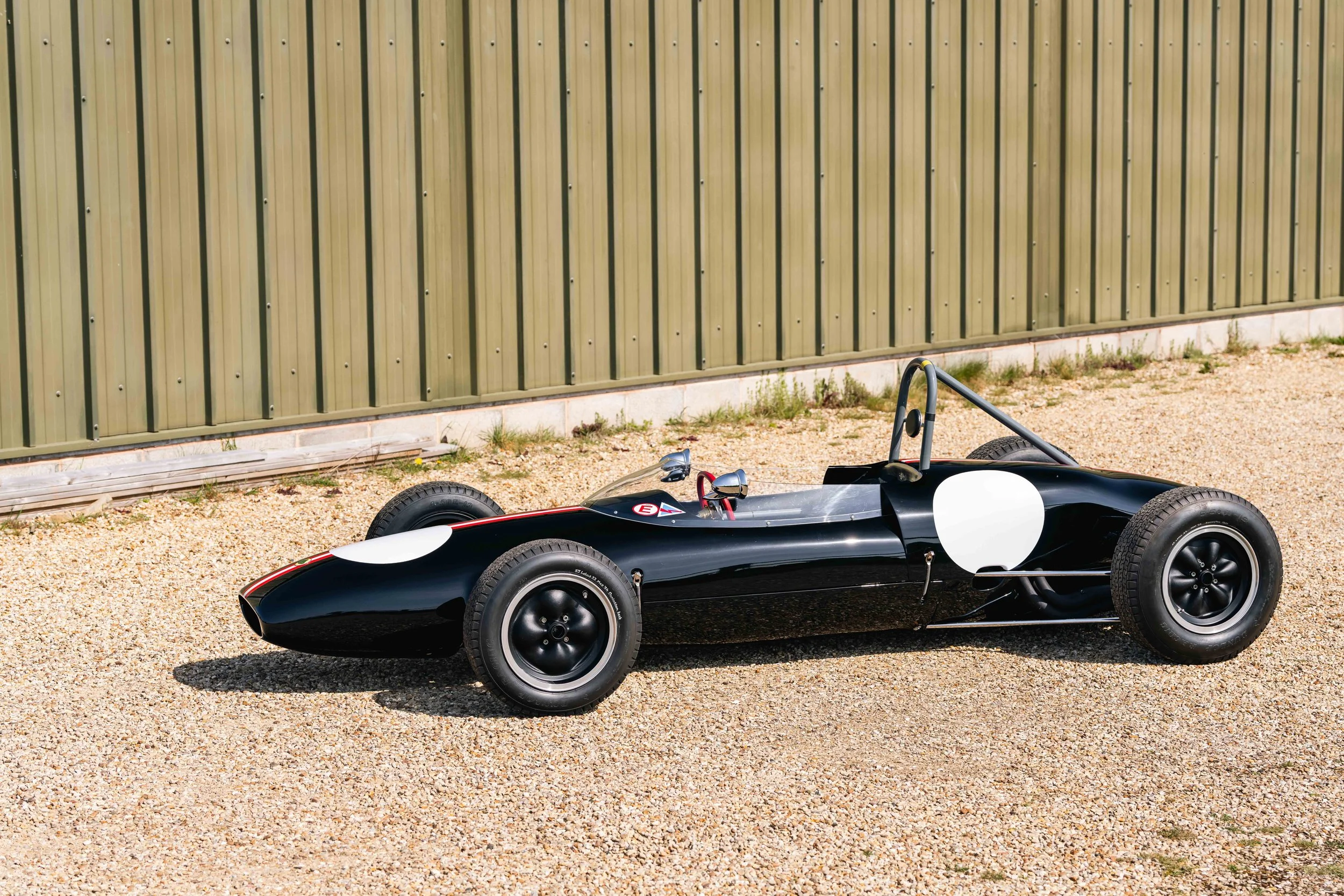
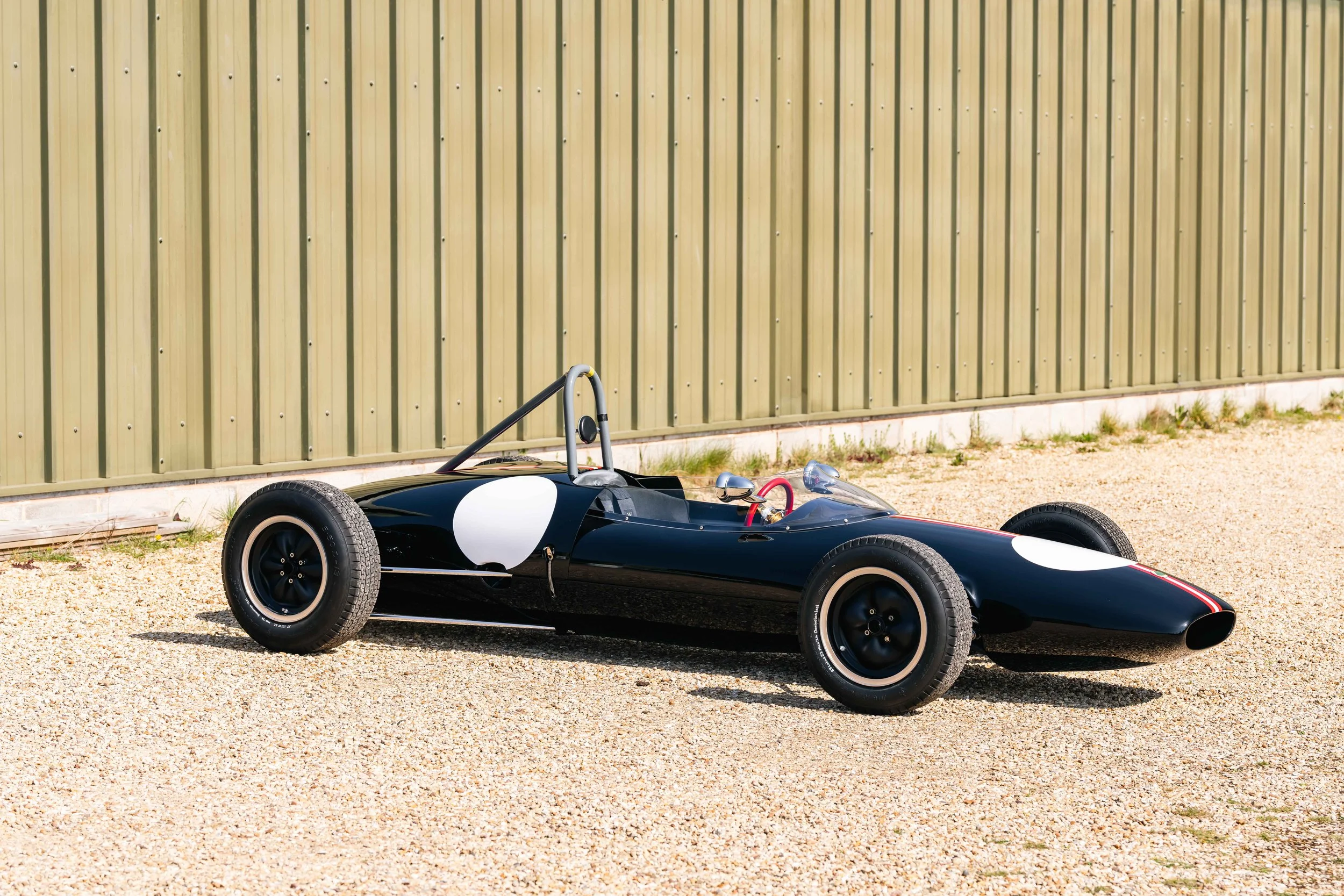
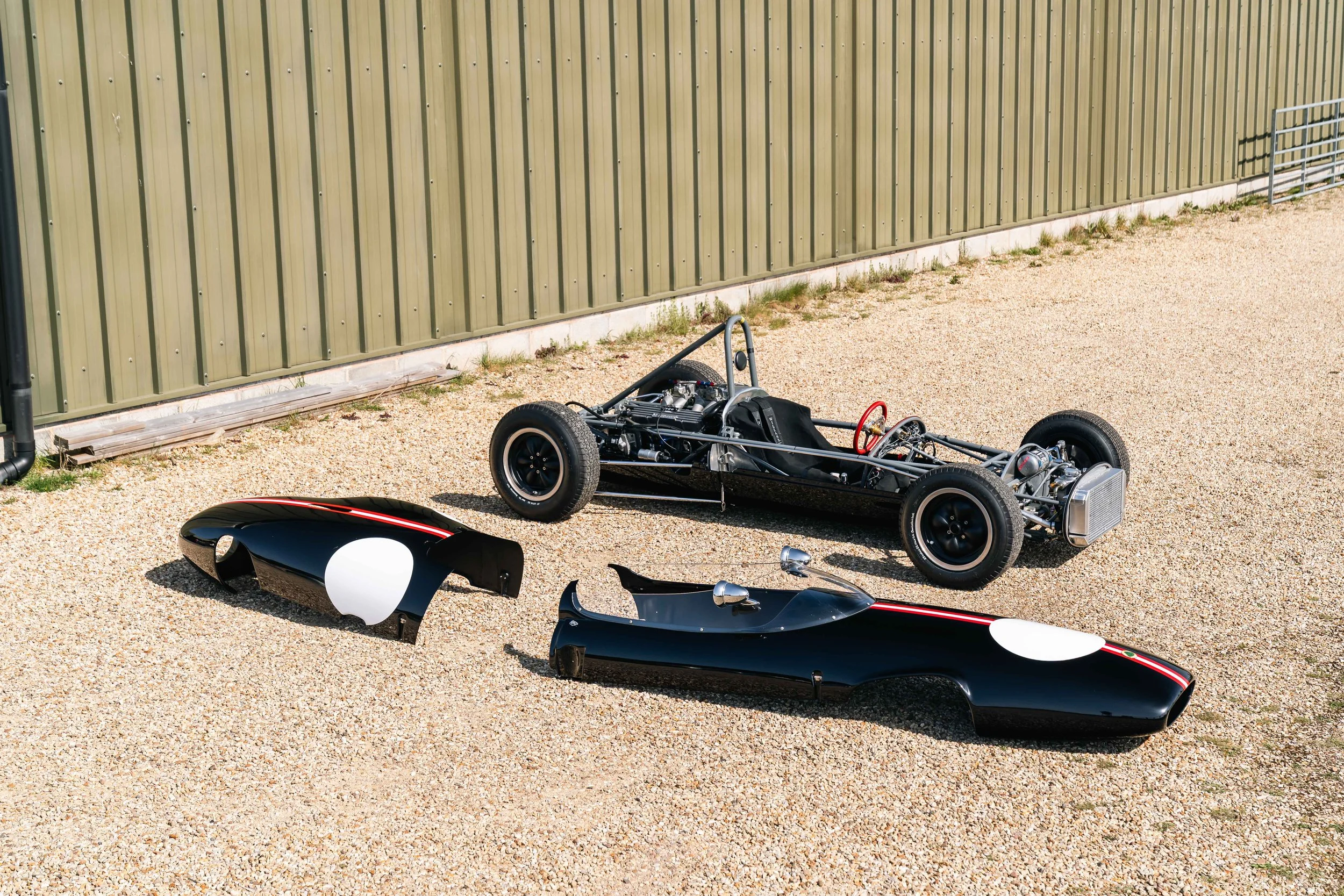
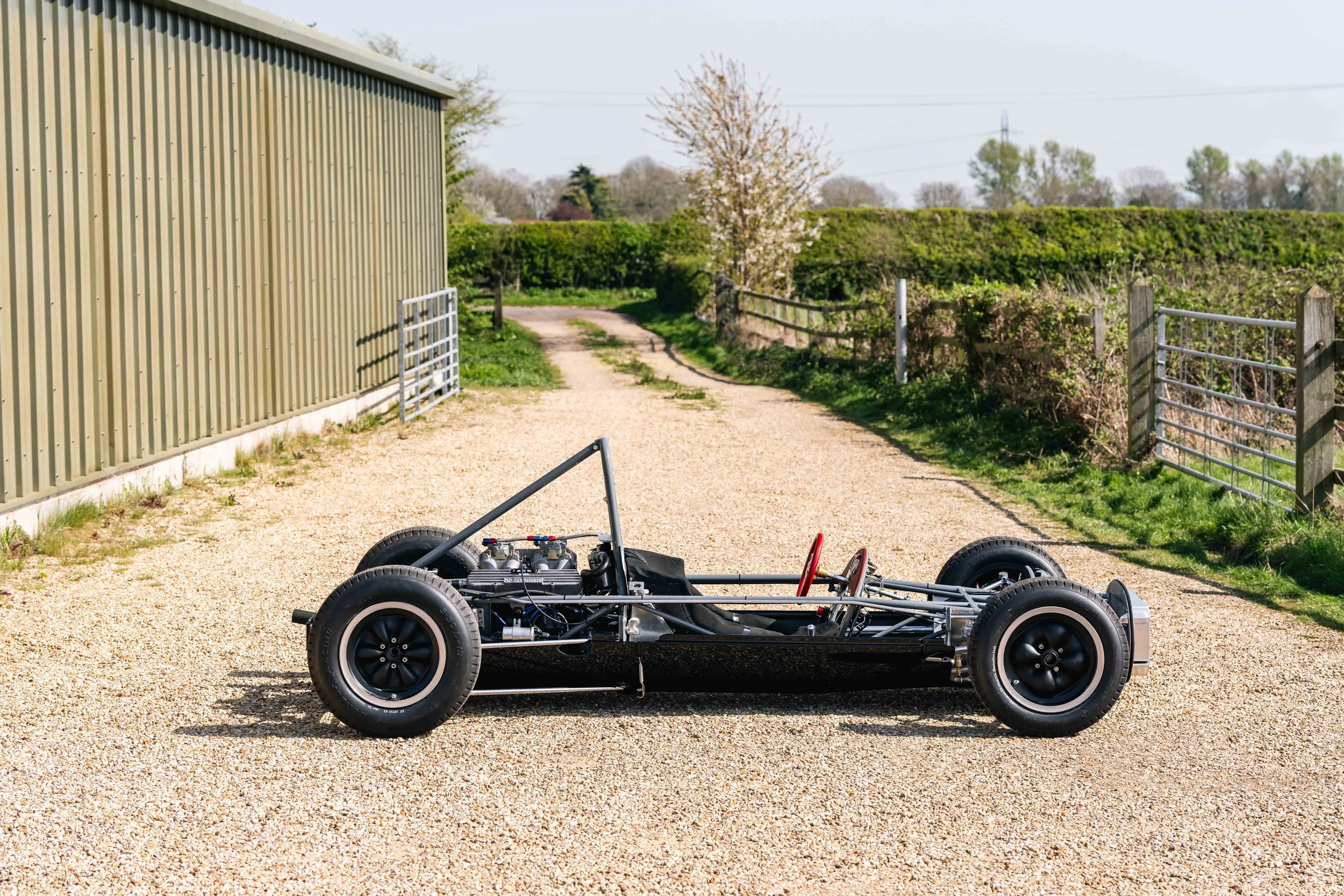
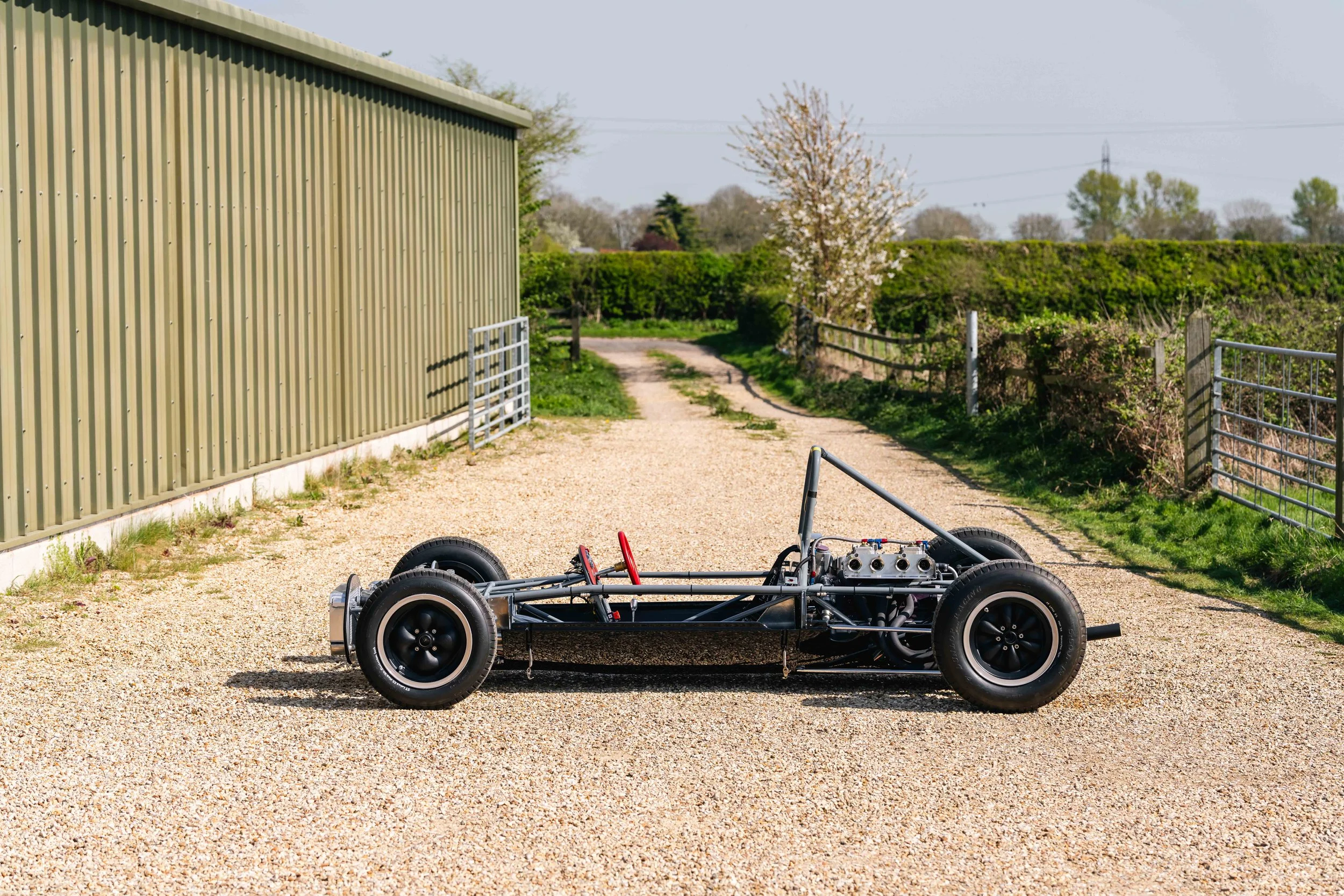
Beautifully Restored, Richardson Cosworth
1962 Lotus 22 Formula Junior
1962 Lotus-Ford 22 — one of the most successful Formula Junior racers, featuring disc brakes and refined chassis design.
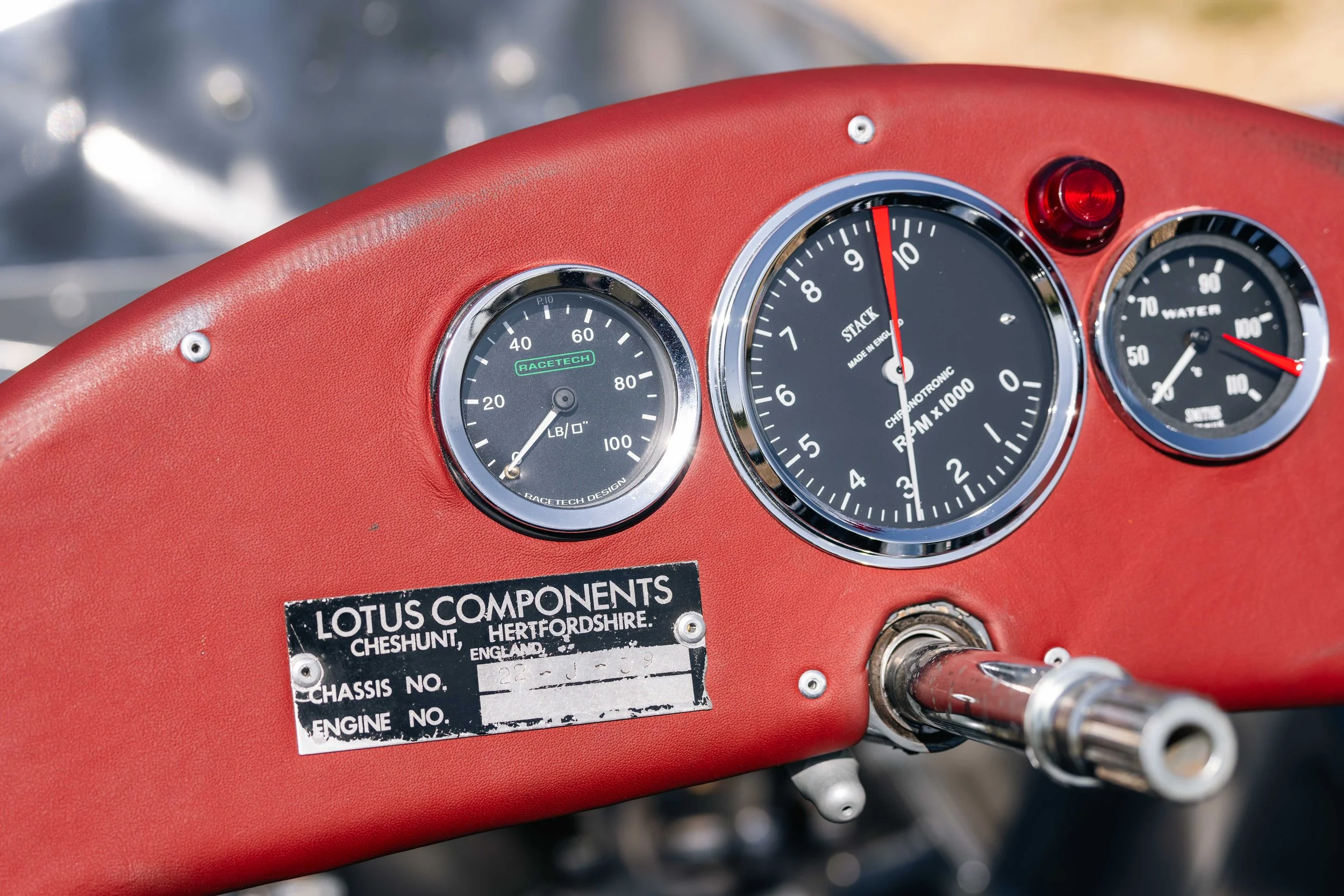
Chassis 22-J-39, one of a small number of examples to emerge from Italy, known in historic racing since the 1980s.
Campaigned in the Lurani Trophy, with ownership including Livio Guarnieri, Vanni Blegi, Giancarlo Galeazzi and Greg Audi.
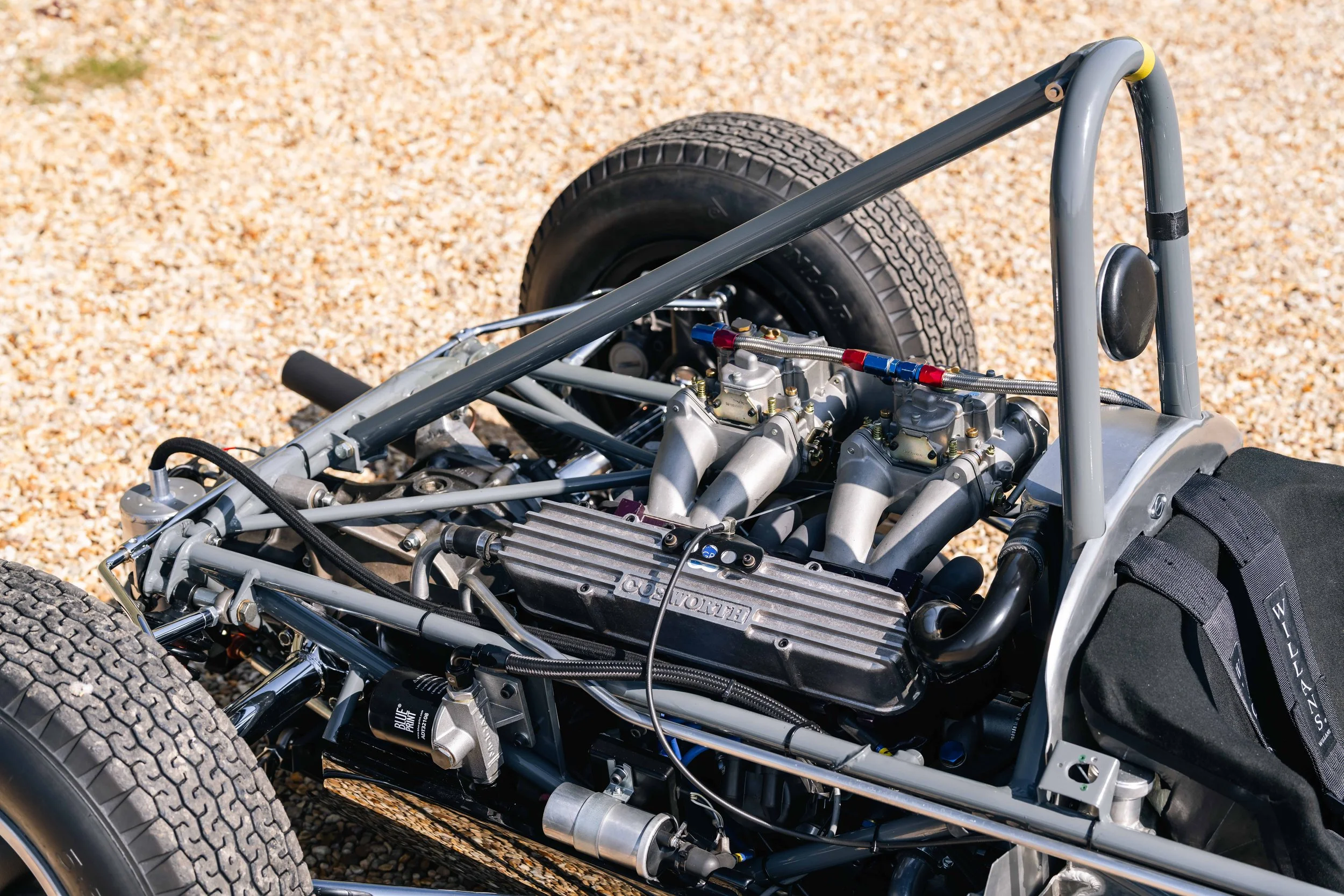
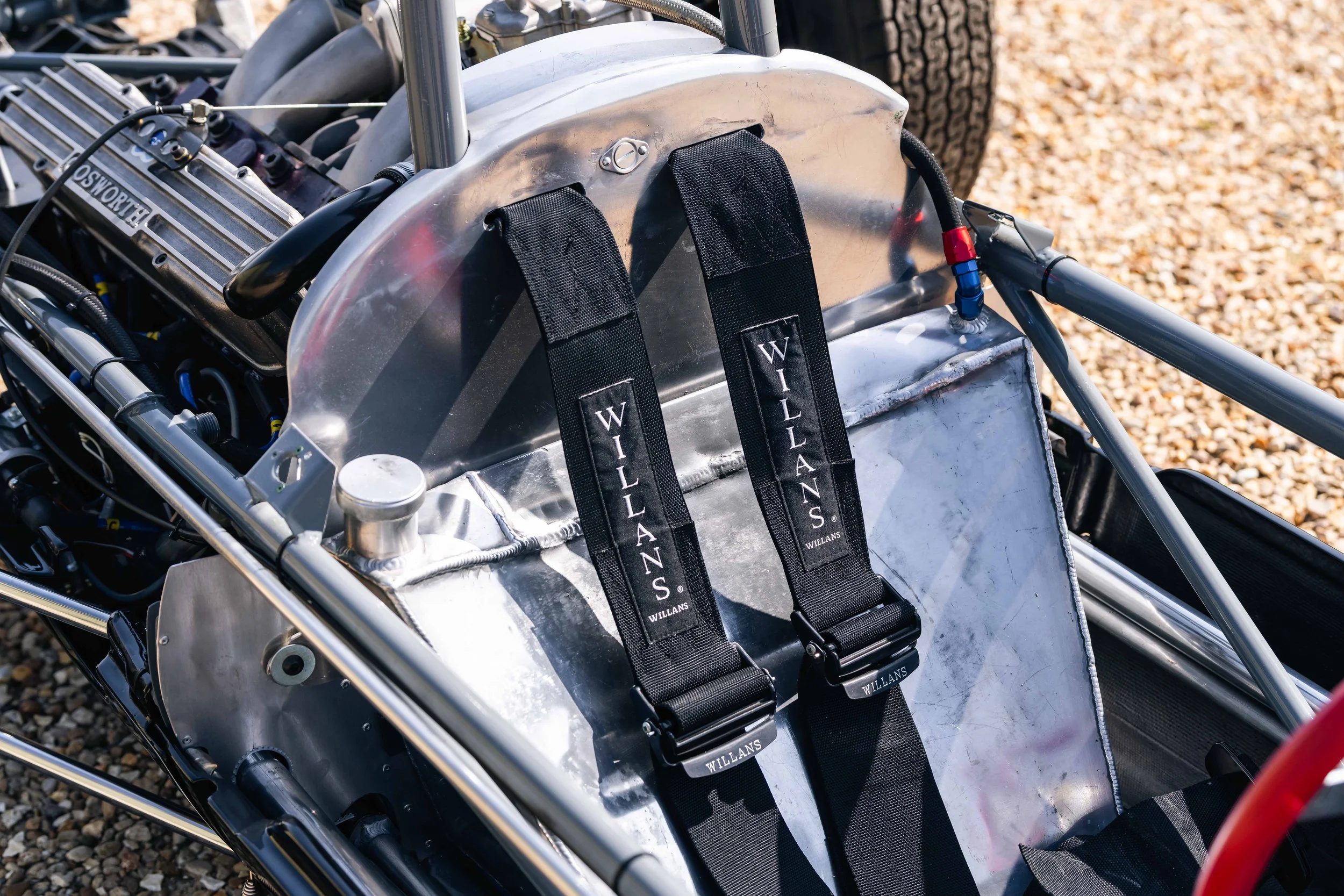
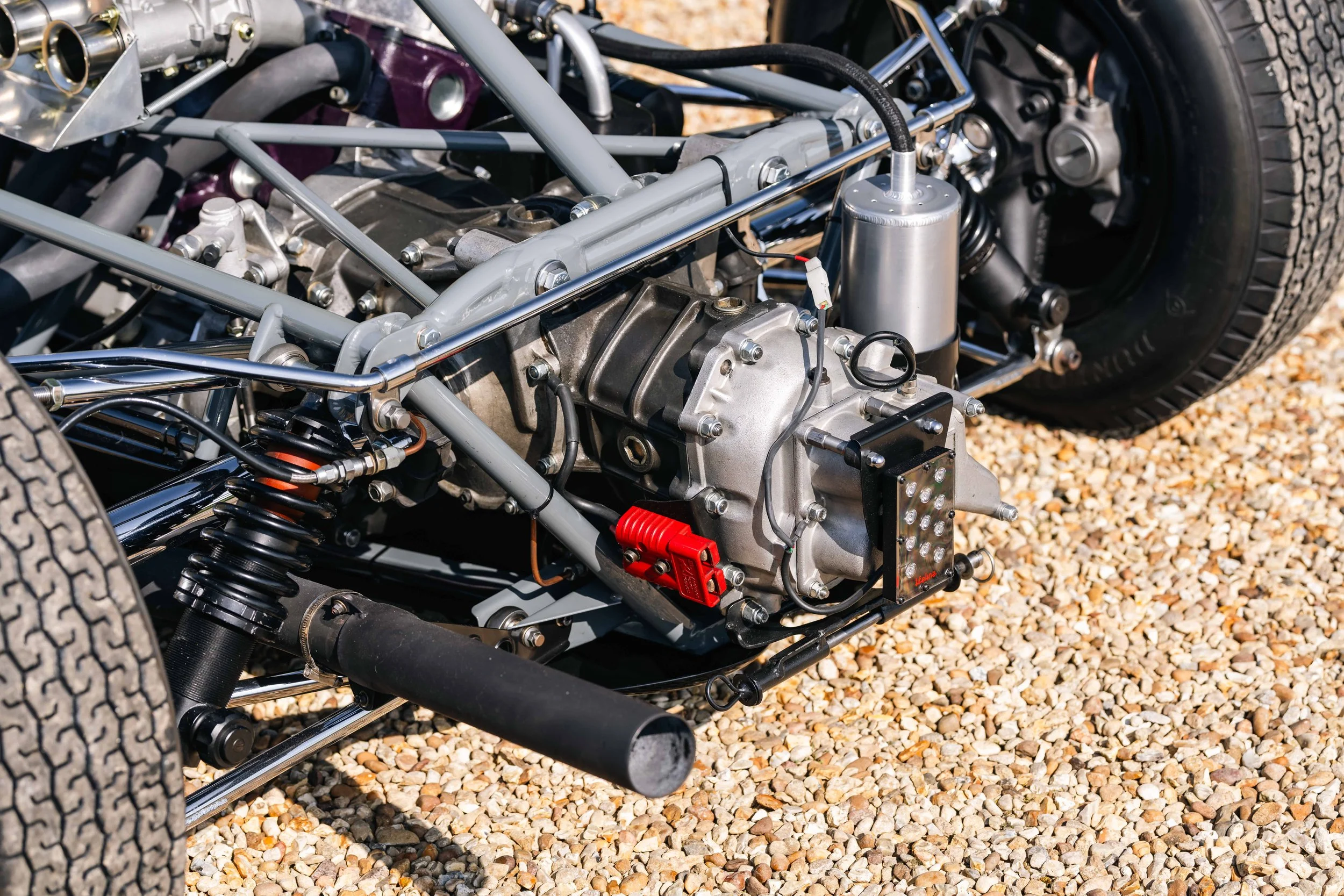
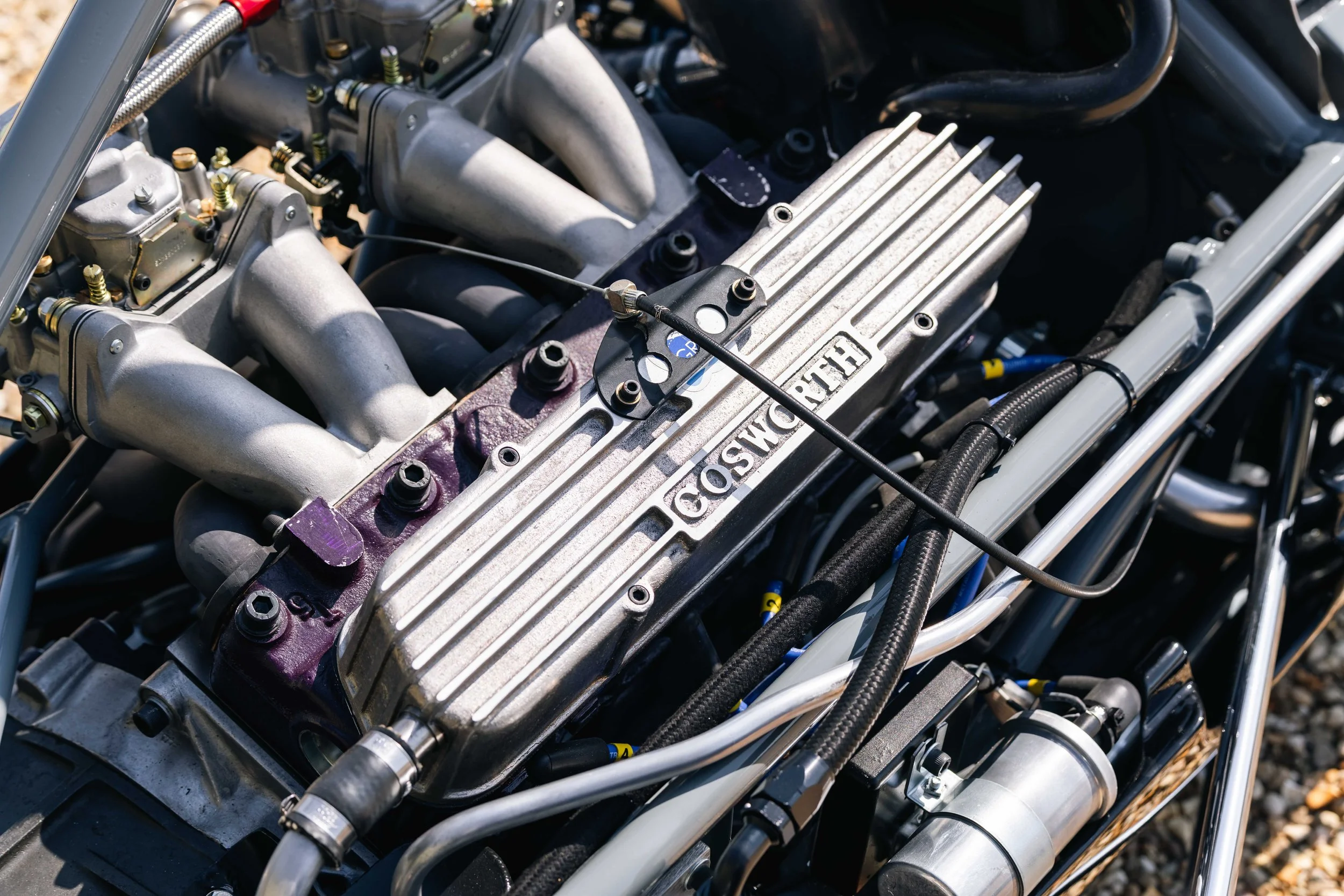
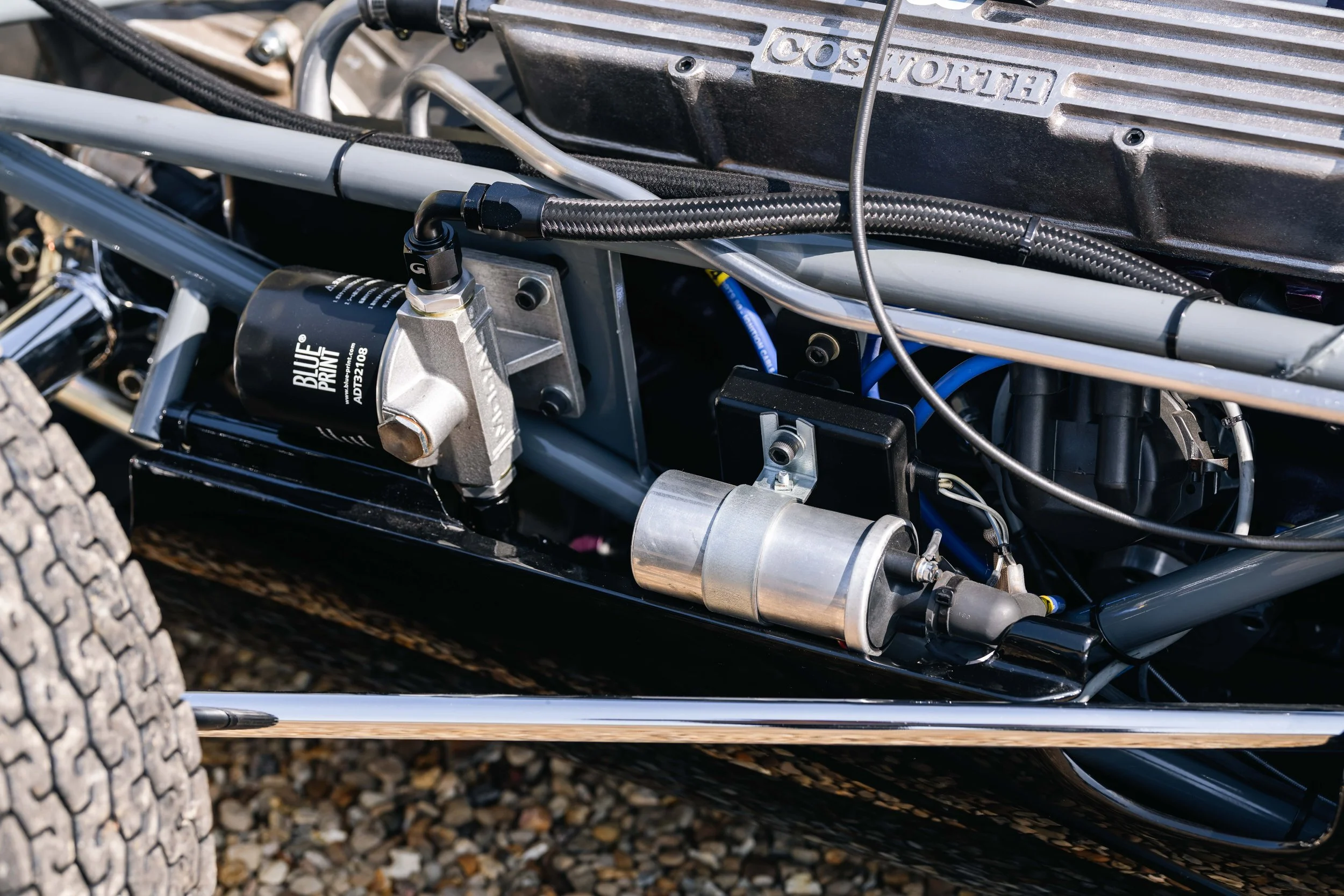
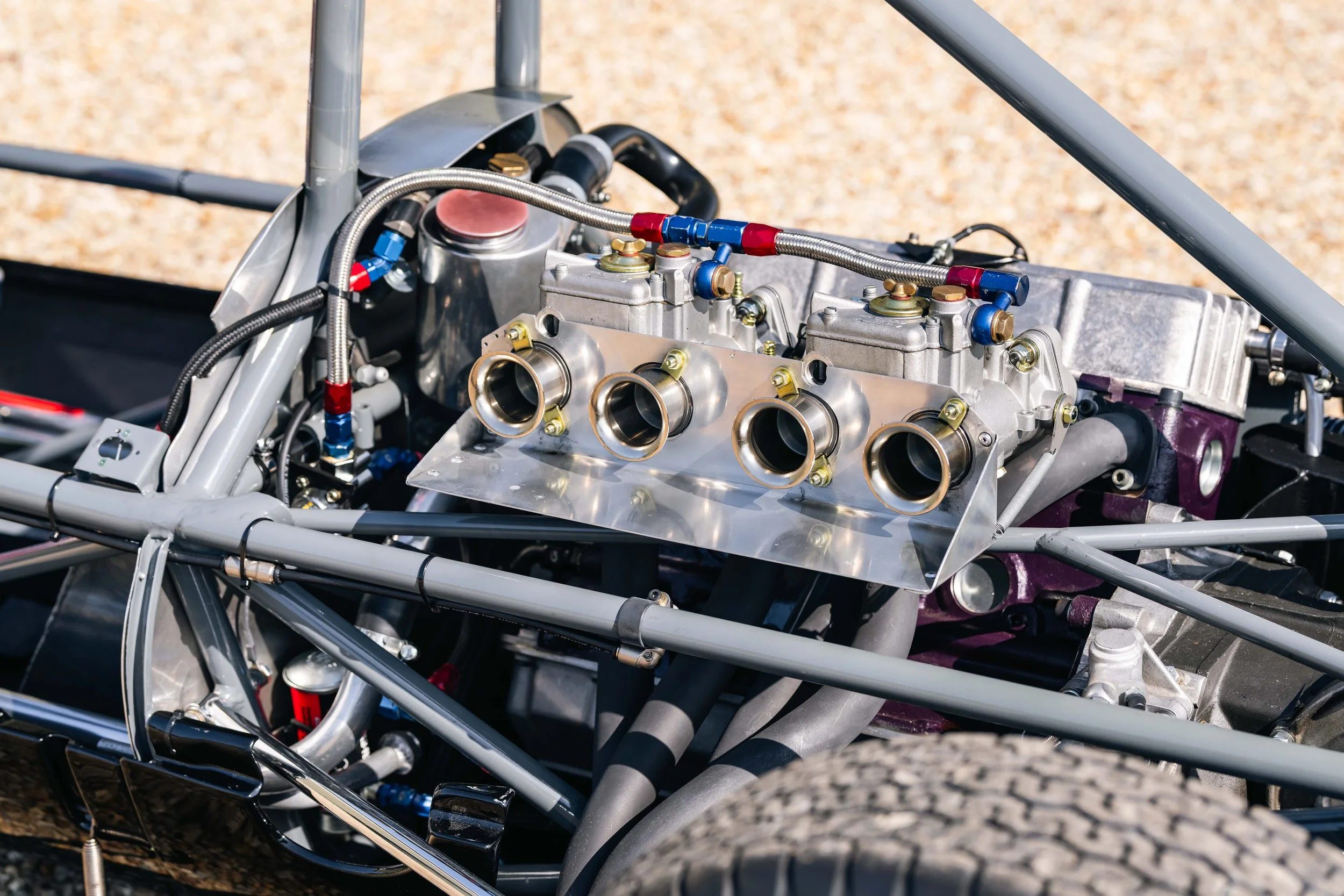
Restored and prepared by renowned firm Hall & Hall, including installation of a top-spec Richardson-built 1,100cc Cosworth engine.
Lightly used in recent years, most recently at Brno in 2024, since restoration.
Eligible for premier Formula Junior events including the FIA Lurani Trophy, FJHRA events and Goodwood Revival Chichester Cup; valid FIA HTP to December 2031.
Price: £89,995
Chassis Number: 22-J-39
The Lotus-Ford 22
The Lotus 22 arrived for the 1962 season as the natural successor to the highly successful Type 20, with Colin Chapman and his team firmly committed to refining their Formula Junior designs in the face of ever-stronger opposition.
With rivals like Cooper and Lola rapidly developing their own machinery — and Brabham joining the Formula Junior fray with the BT2 — Lotus’s 22 represented a sophisticated evolution, building directly on the lessons learned during the 20’s dominant 1961 campaign. Facing competition for sales — primarily from Brabham — the 22 didn’t remain in production for long, with just 77 examples built by Lotus, retailing for £1,550.
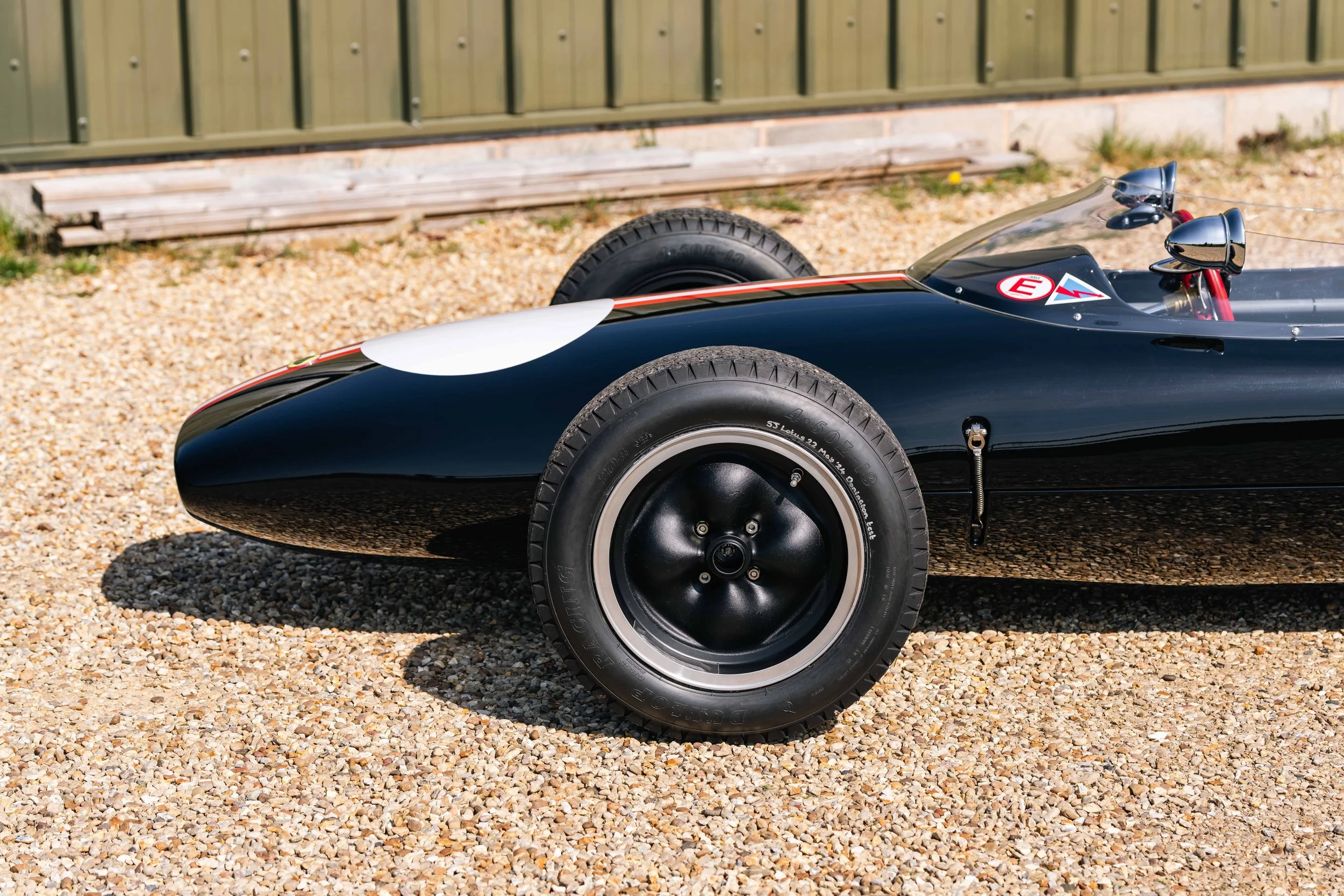
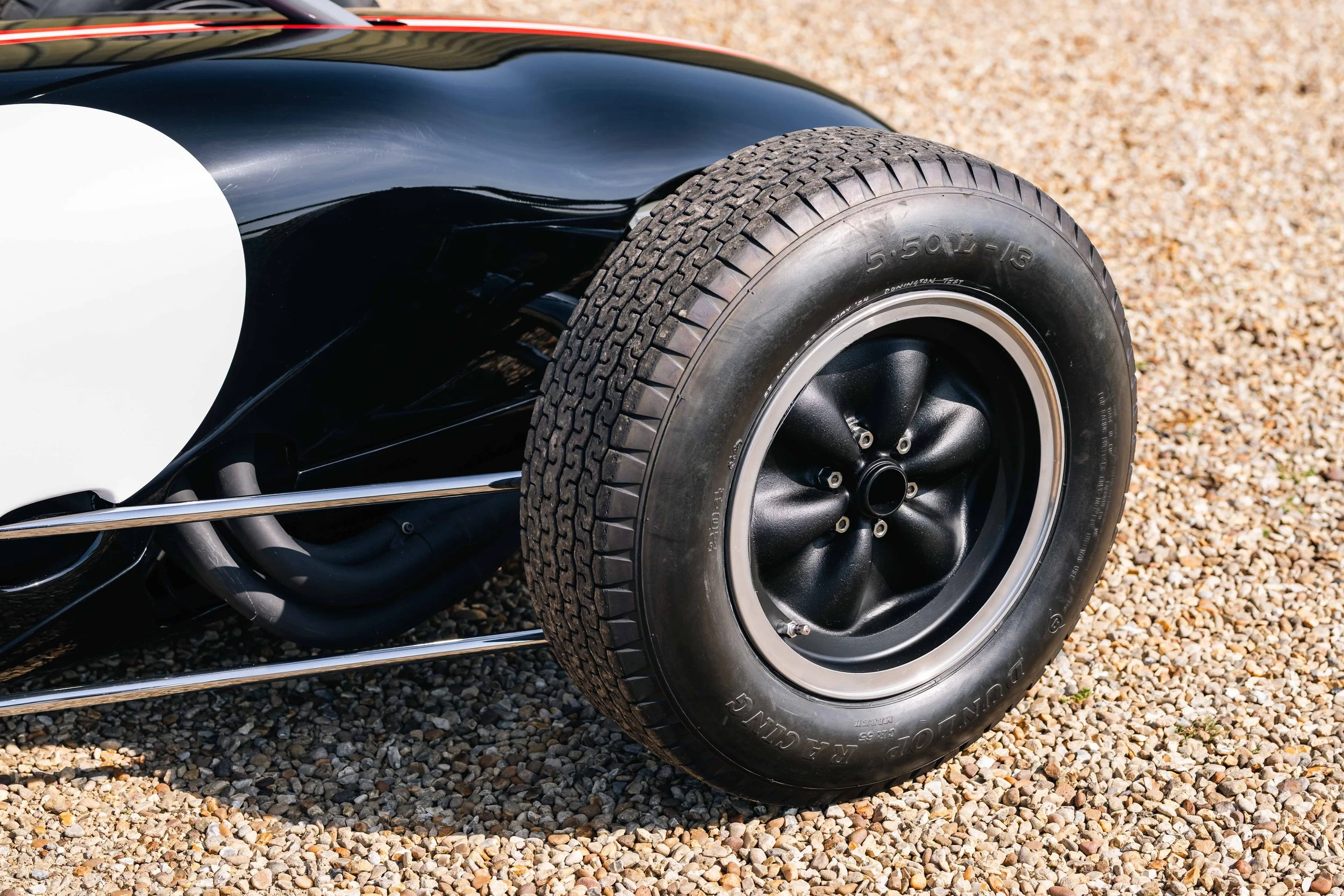
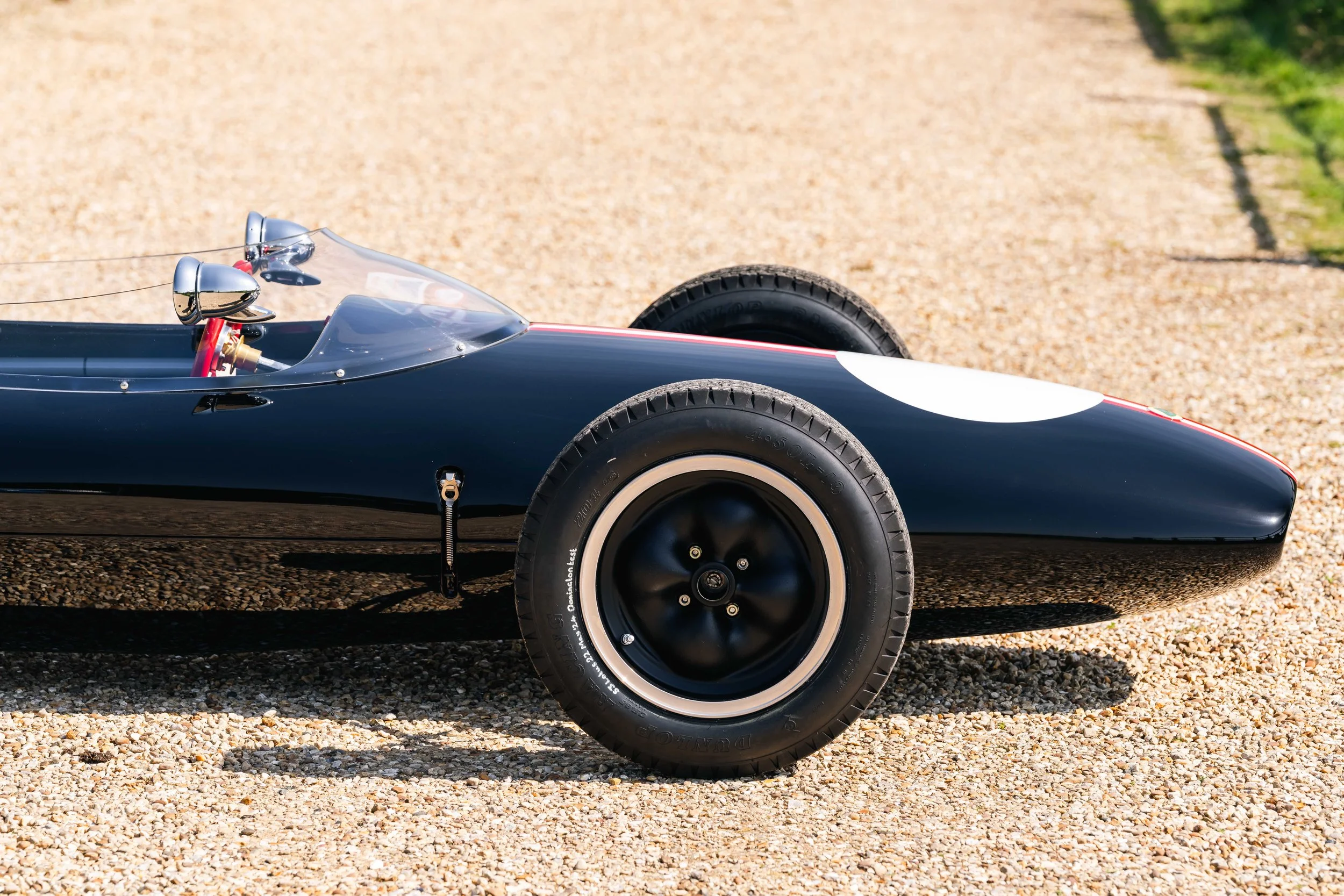
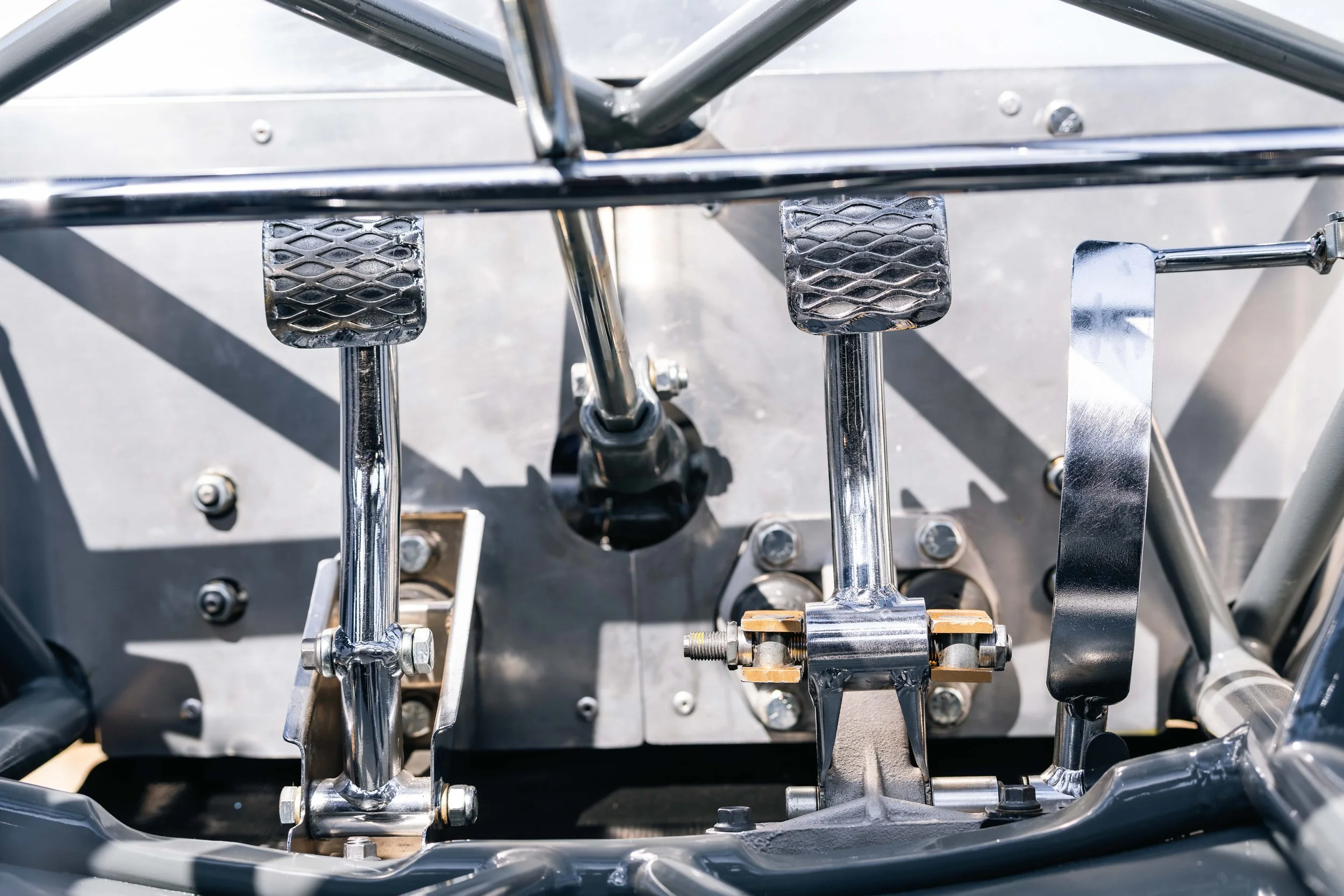
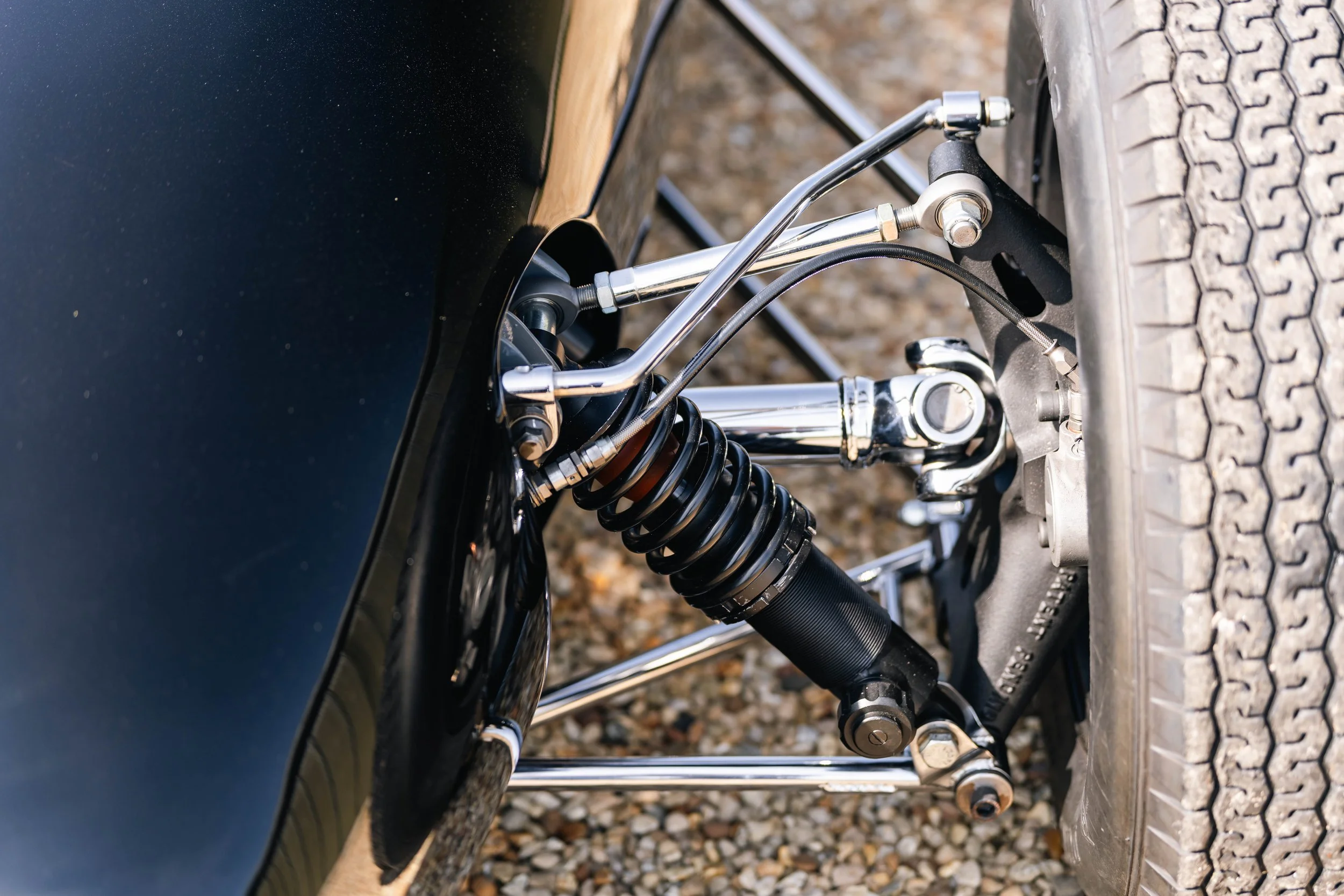
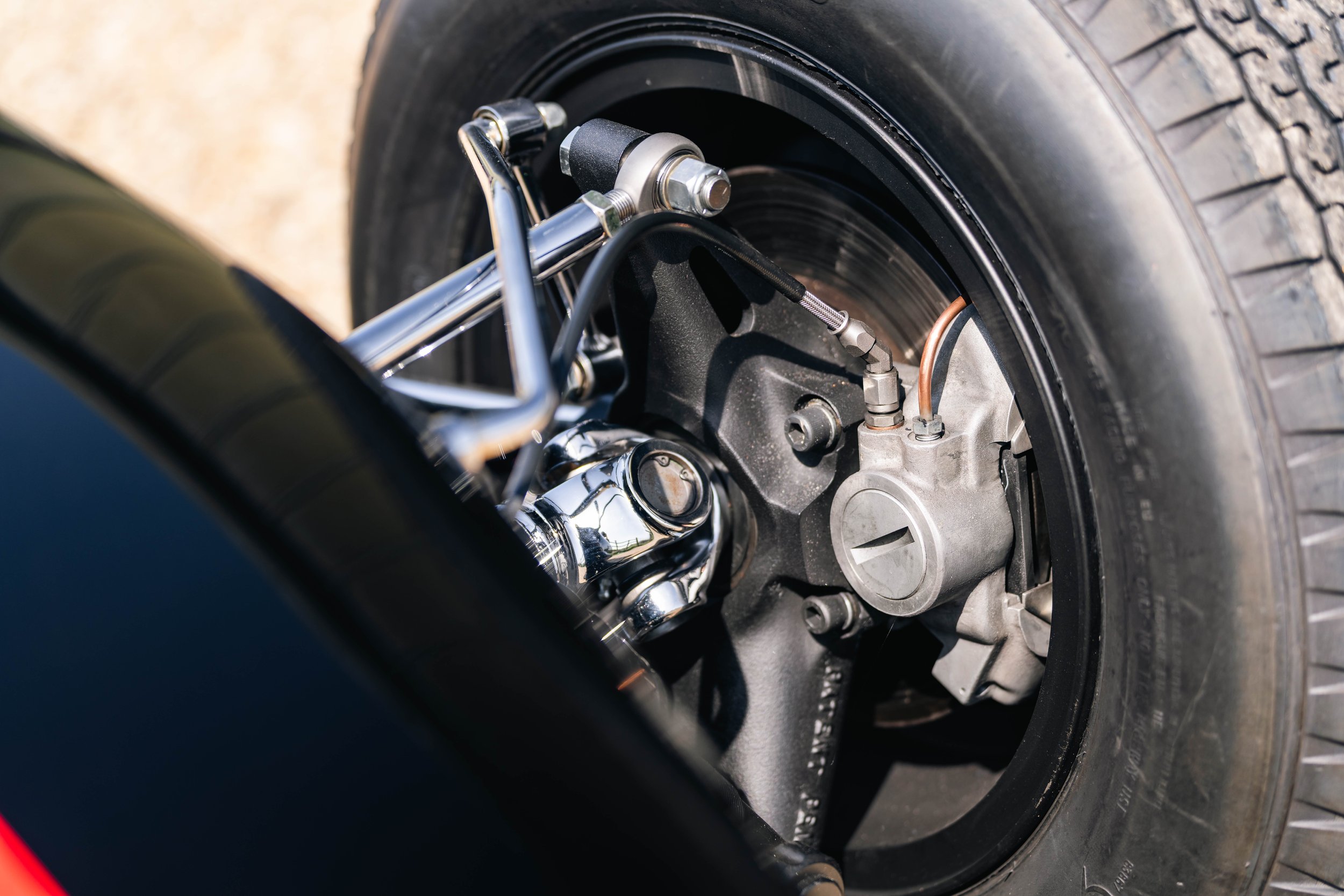
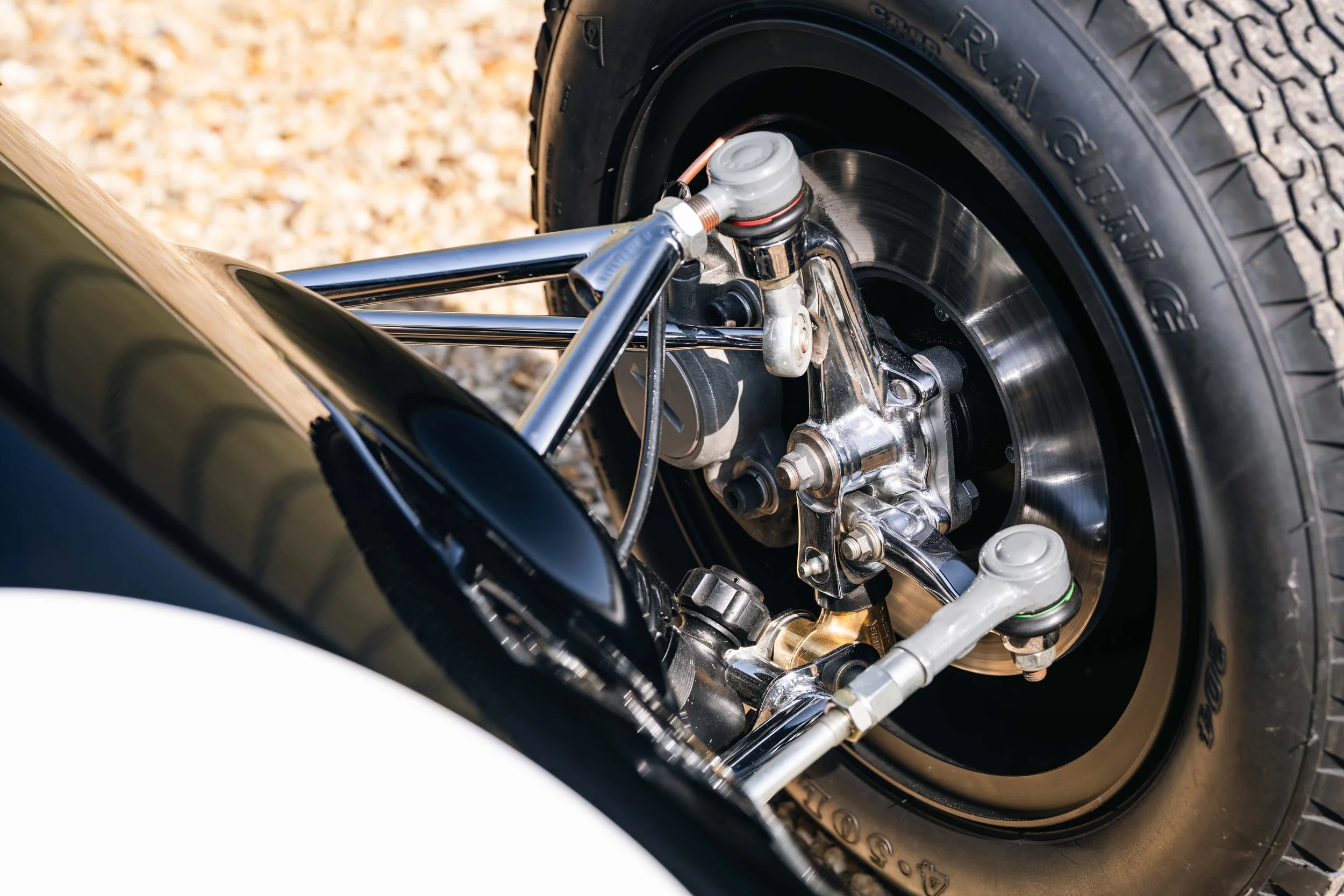
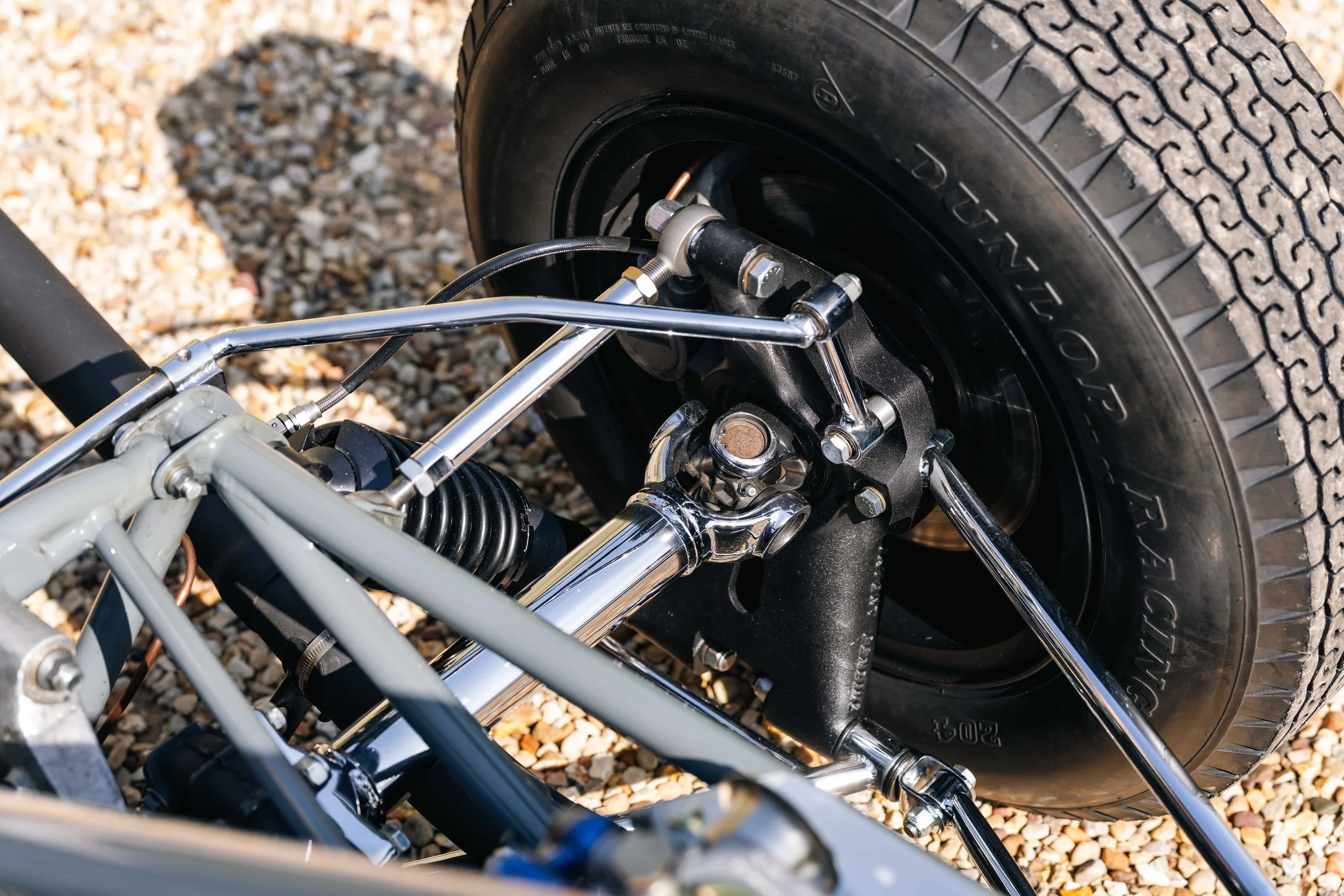
While retaining the proven space frame concept pf its predecessor, the Lotus 22 incorporated a series of key technical advancements. Most notably, it adopted disc brakes in place of the earlier car’s drums, significantly improving braking consistency and reducing unsprung weight.
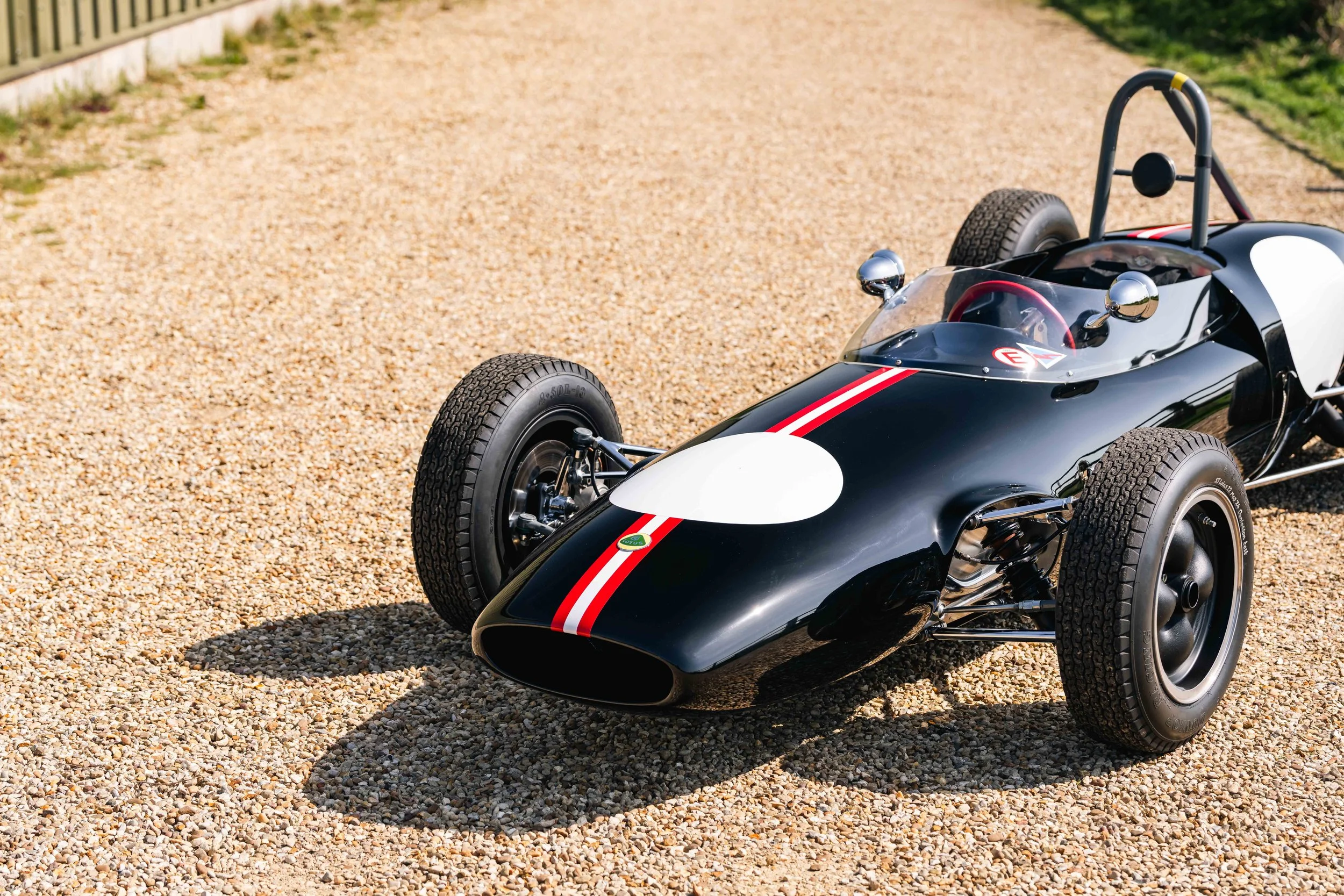
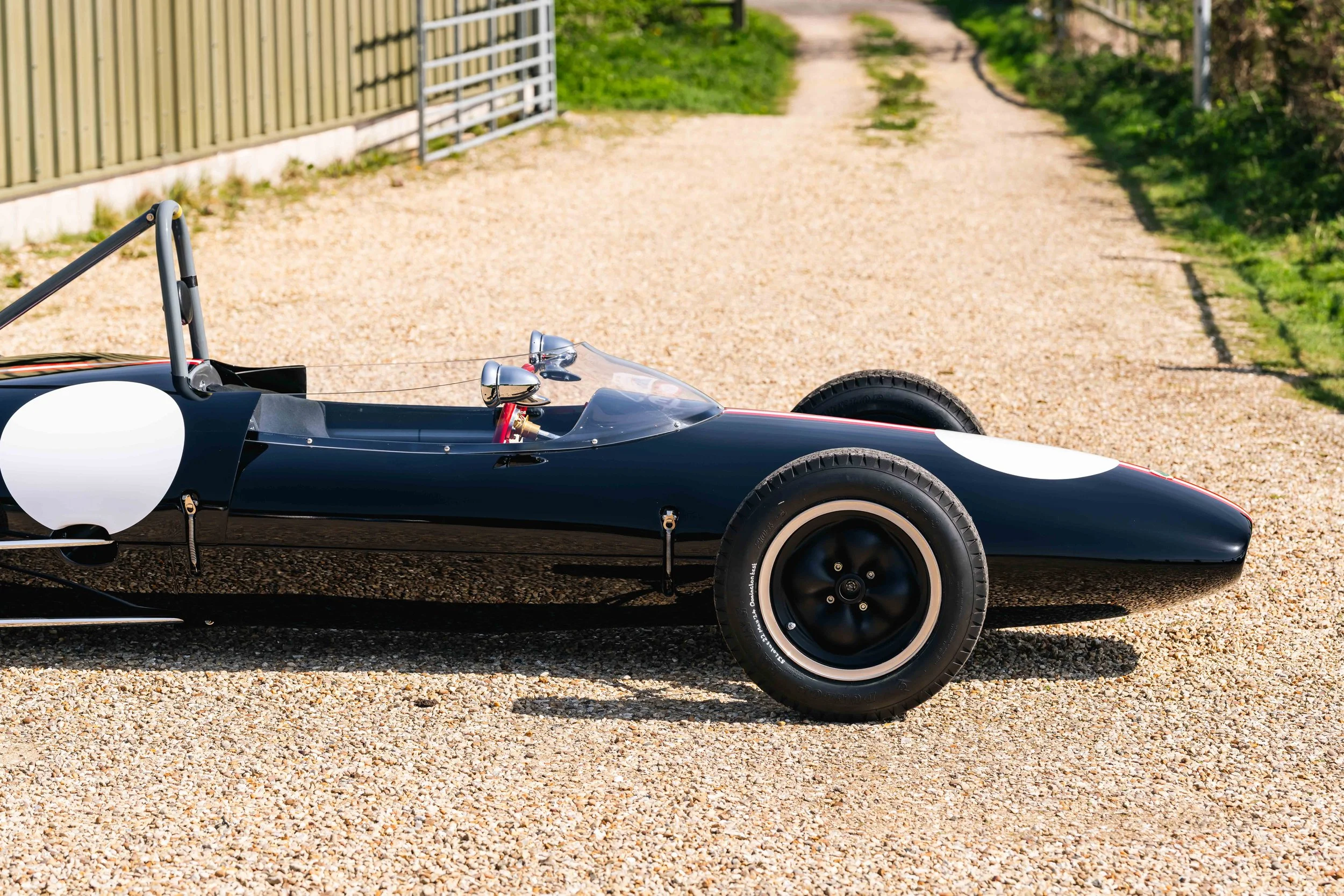
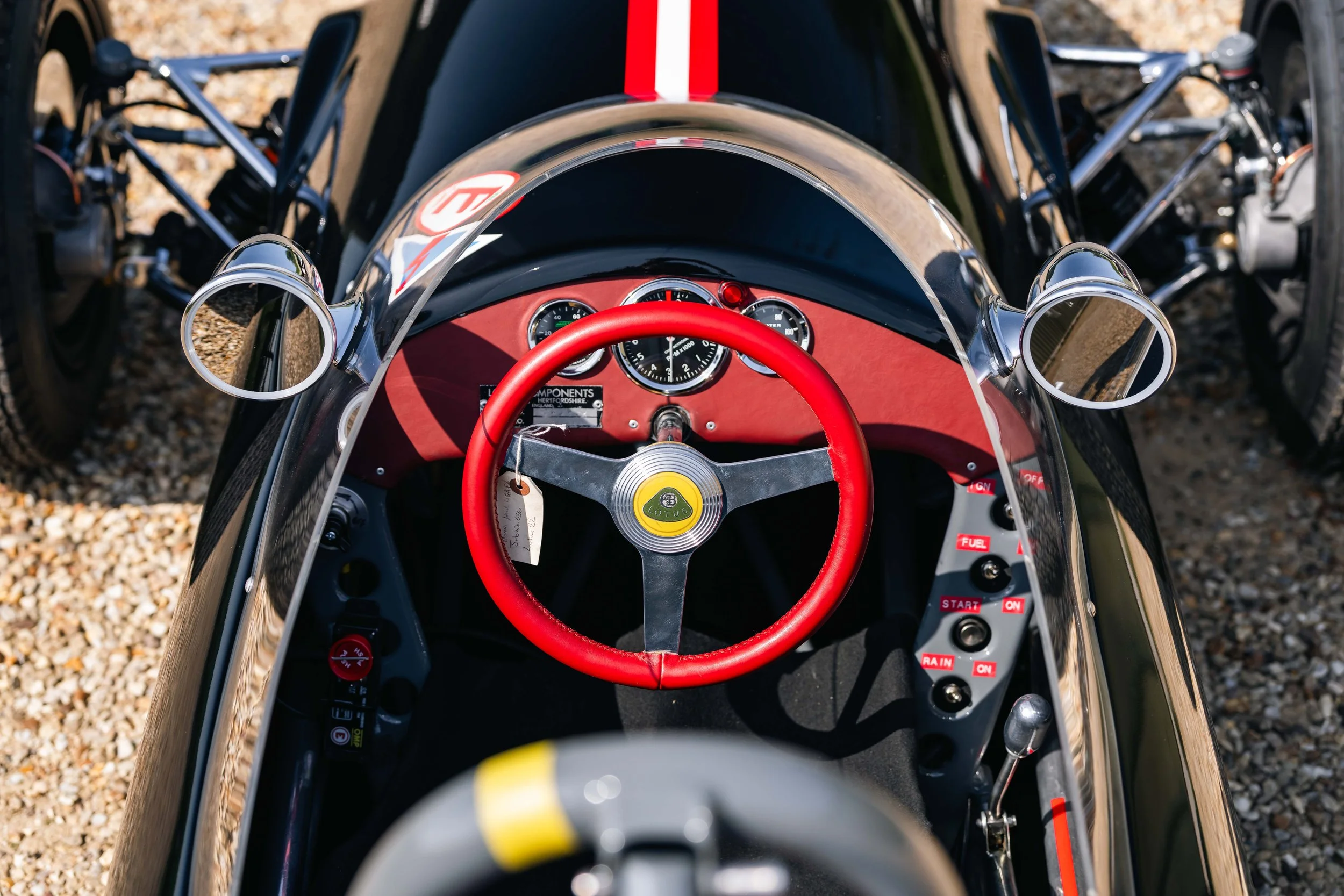
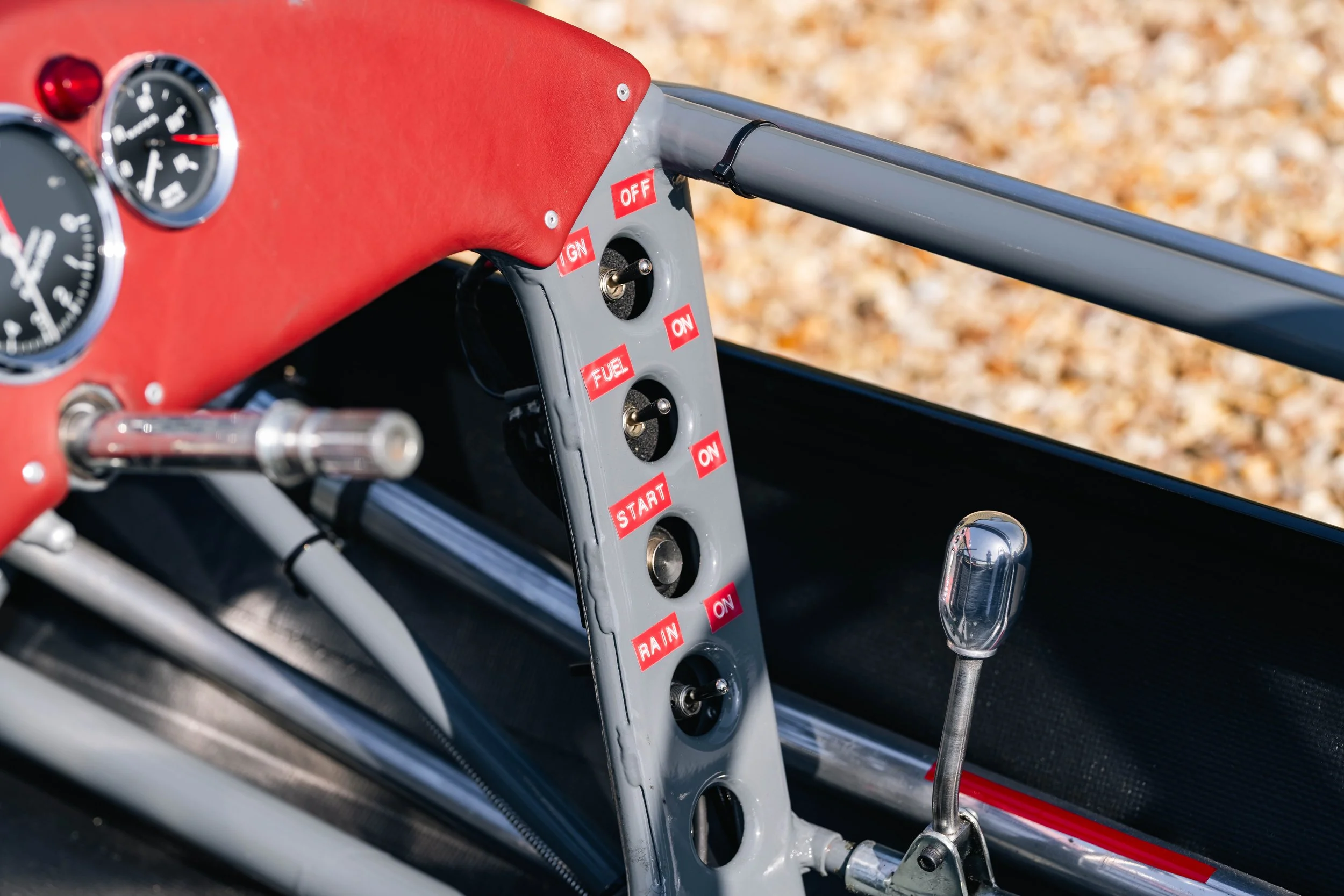
Suspension geometry was further refined, while subtle revisions to the chassis increased rigidity without a weight penalty. The car remained compact and low-slung, with a reclined driving position and reduced frontal area continuing Chapman’s philosophy of maximising efficiency.
Typically, power once again came from Cosworth-tuned Ford units derived from the 105E engine — whose reliability and tenability made them the preferred choice for front-running teams and drivers across the category.
On track, the Lotus 22 proved an immediate success, maintaining Lotus’s position at the forefront of Formula Junior. With Trevor Taylor moving up to Formula 1, Peter Arundell stepped up to lead the Formula Junior charge for Team Lotus in 1962, enjoying 18 victories and three second-place finishes in the 22, securing that year’s British Championship.
Supported by team-mates Alan Rees and Bob Anderson, Arundell’s biggest opposition in the UK came from Mike Spence and Paul Hawkins in the pair of Ian Walker-run Lotus 22s. The car was equally effective in private hands, further underlining Lotus’s strength in producing competitive customer cars — Jo Siffert won at Avus and Casenatico, whilst Giacomo Russo (racing under the pseudonym ‘Geki"‘) took the Italian Formula Junior title.
Also racing as far afield as the USA and the Antipodes, the Lotus 22 proved just as successful as its predecessor, quickly one of the most competitive and widely adopted Formula Junior cars of the period.
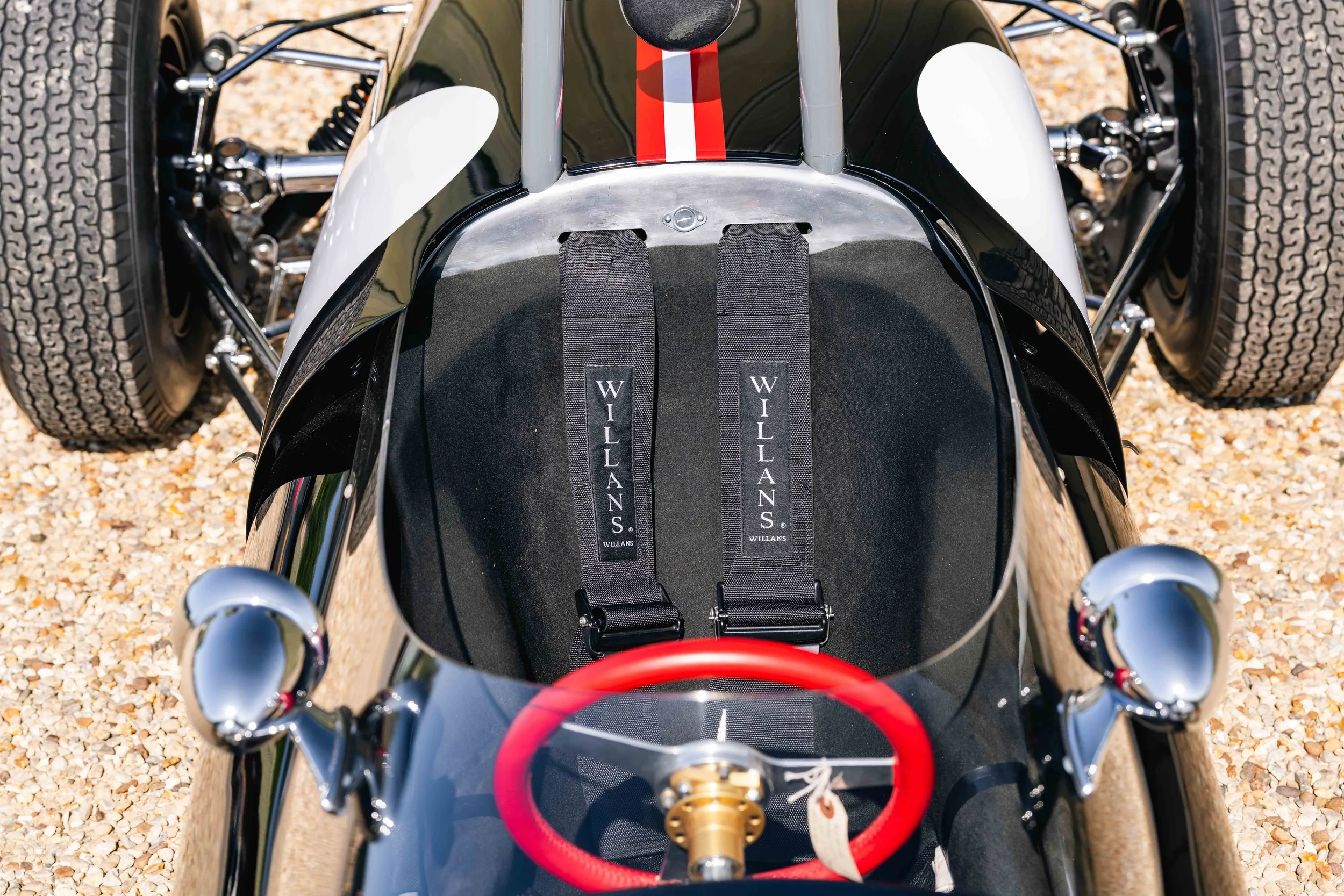
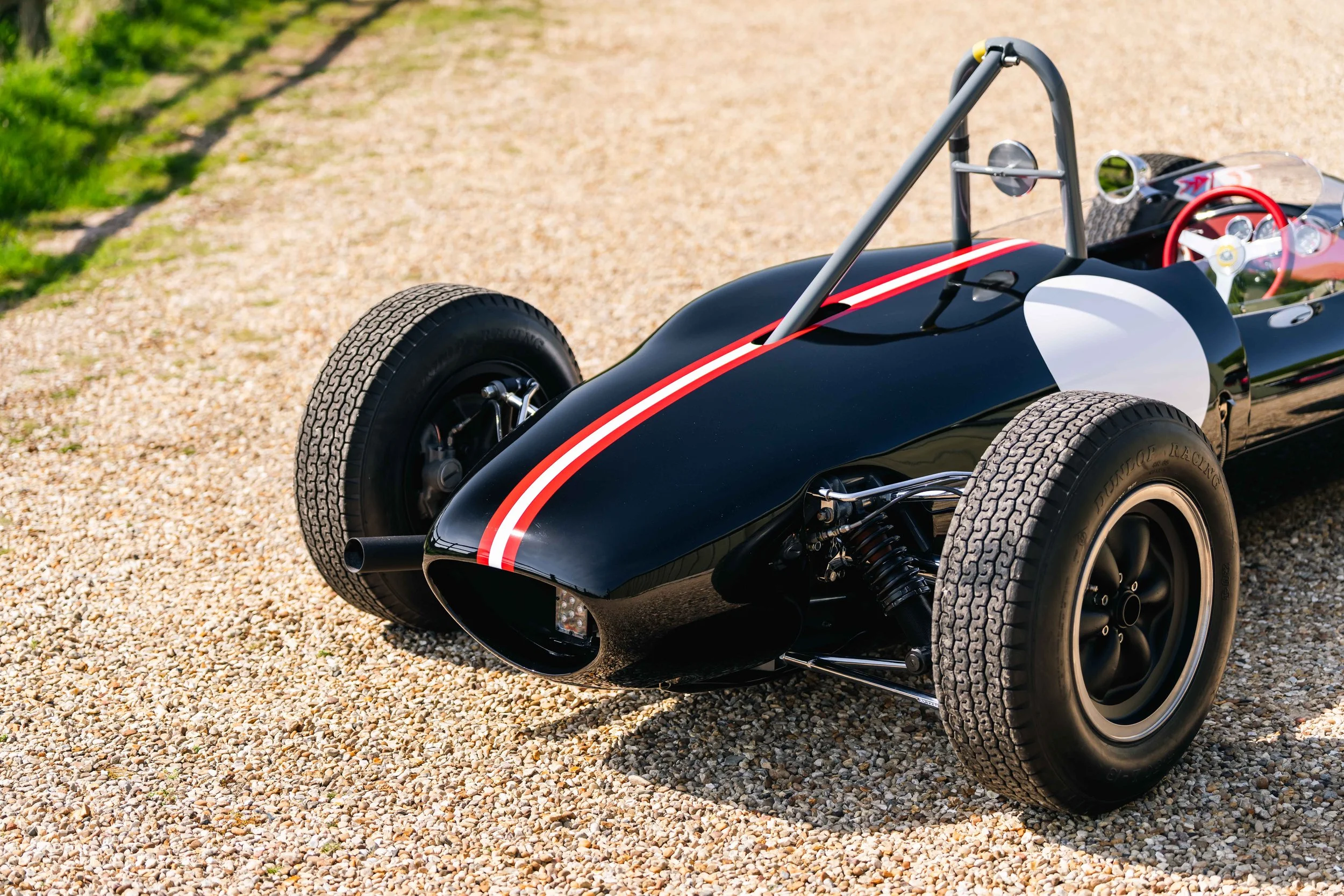
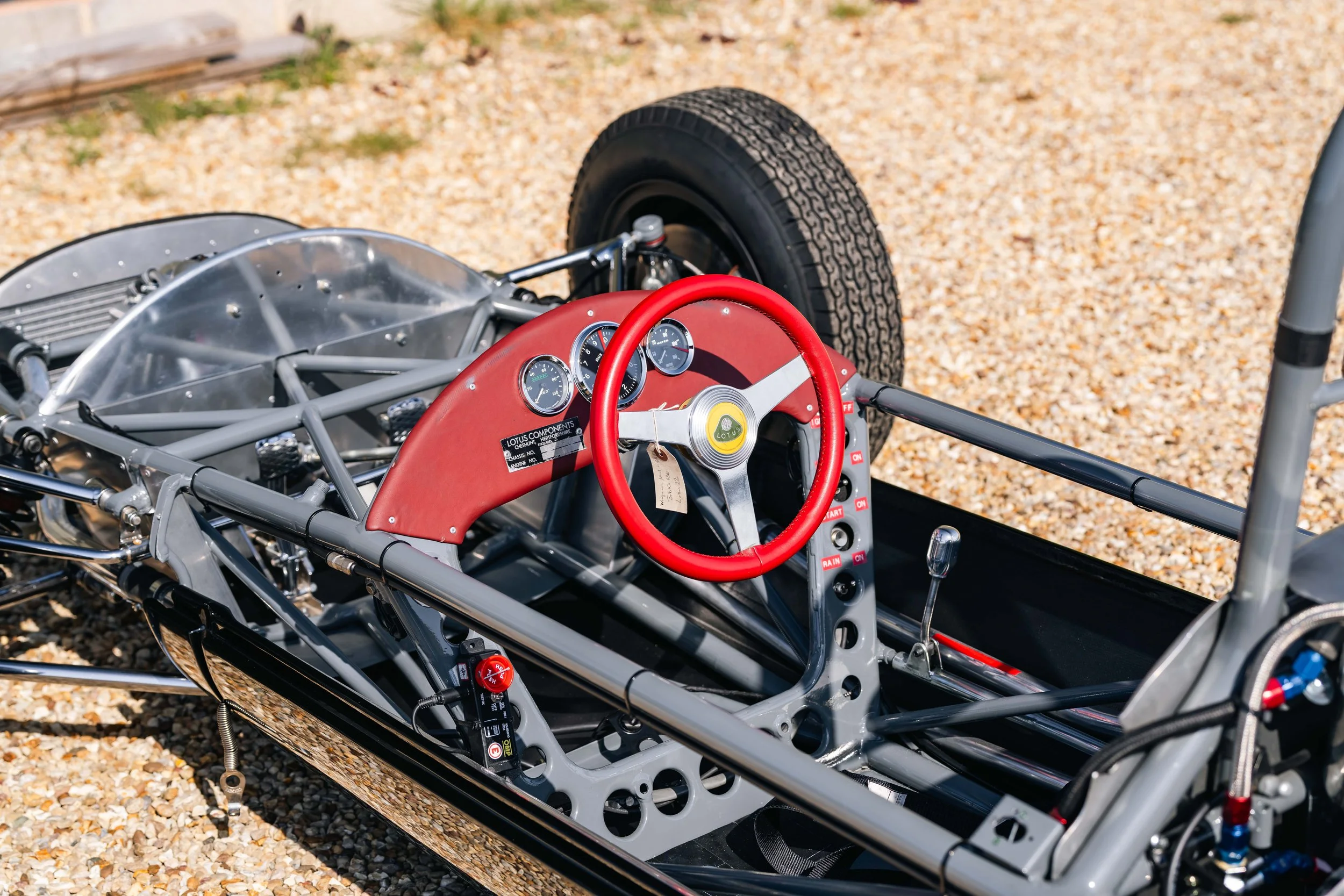
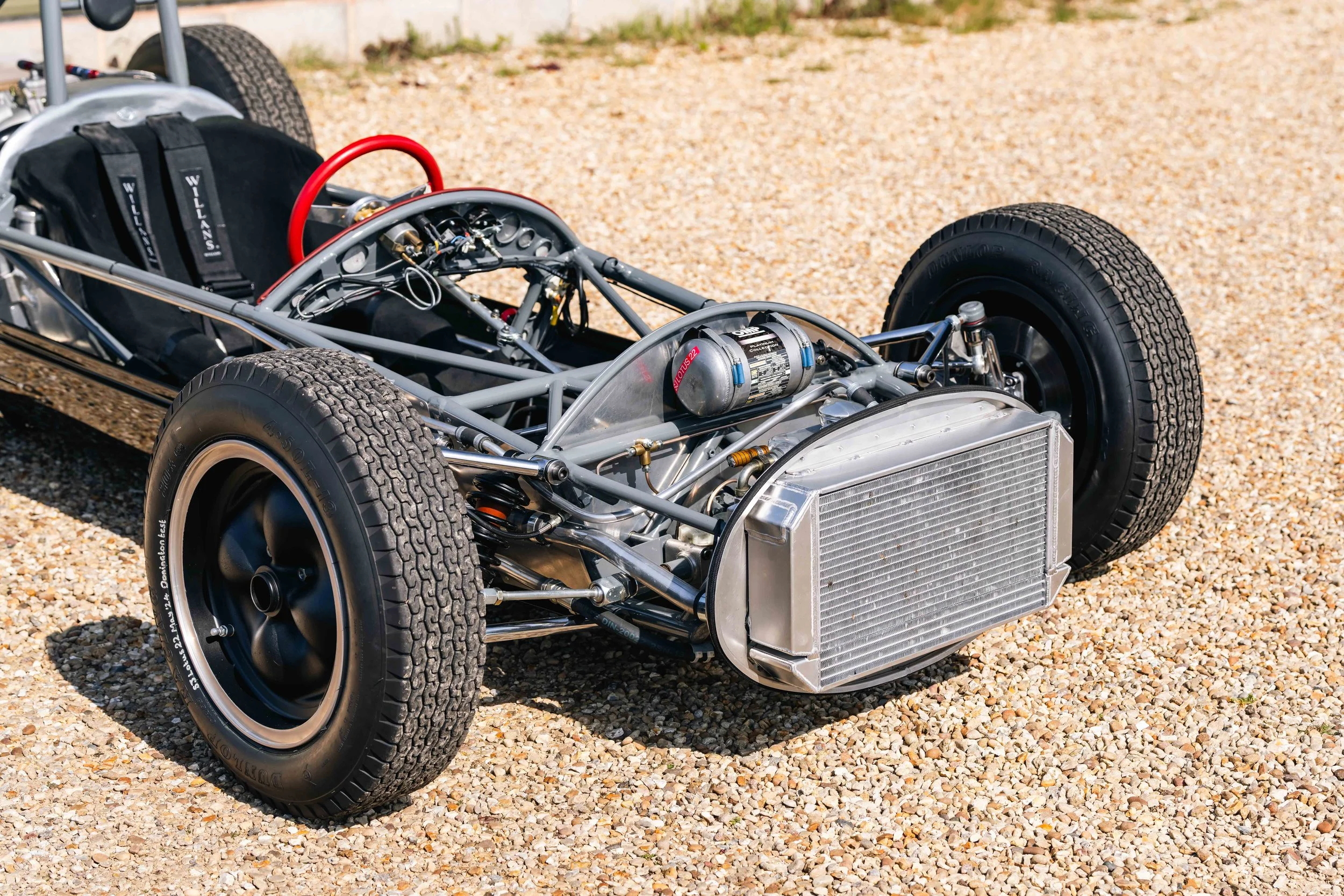
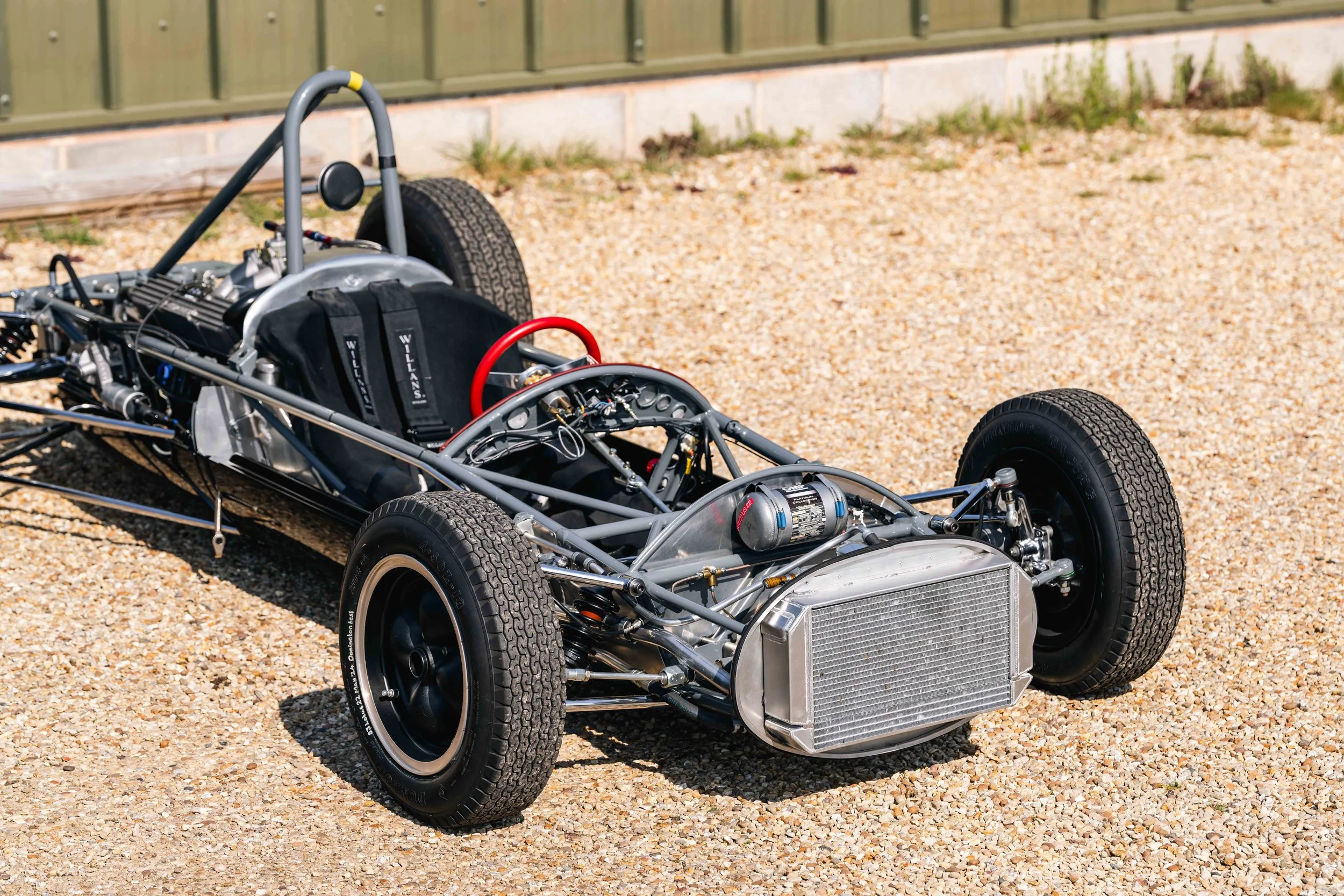
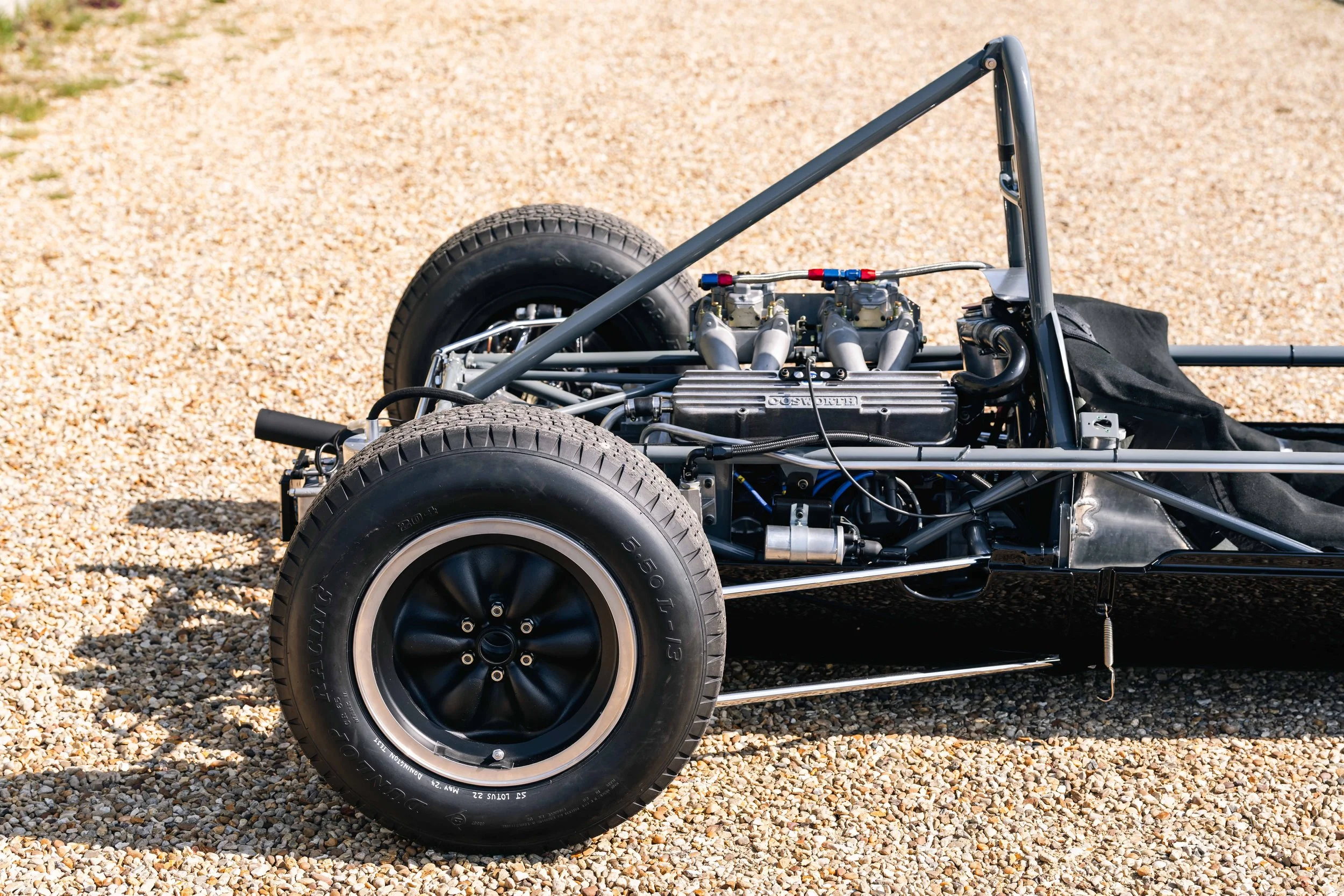
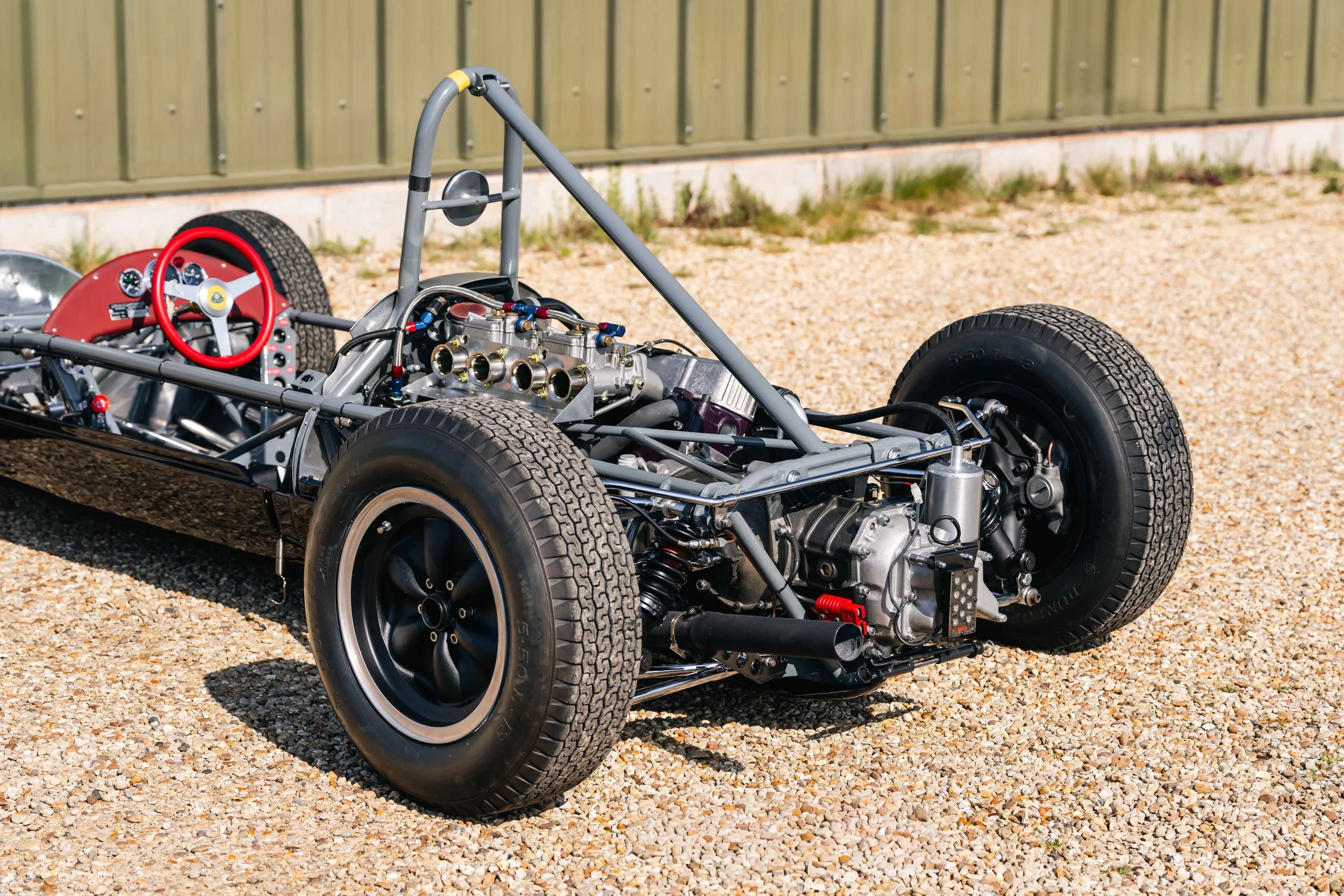
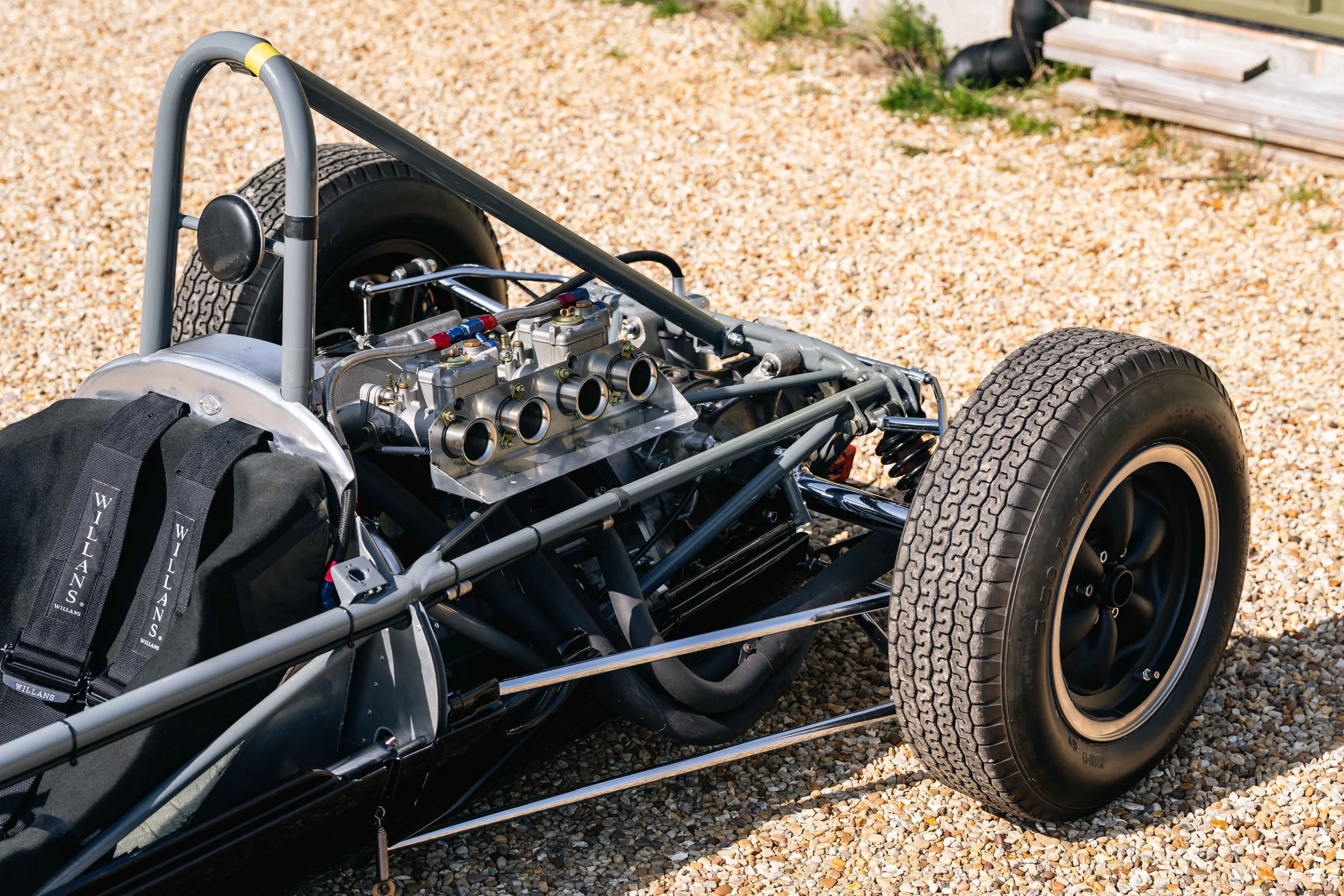
This car, 22-J-39
Chassis 22-J-39 is known from the ‘80s, when it was understood to be one of a small number of Lotus 22 cars to have emerged from Italy, with recorded ownership dating back to Livio Guarnieri, who campaigned the car between 1986-’88.
It was then sold to Vanni Blegi (1989-’92) and Swiss doctor Giancarlo Galeazzi, who is known to have raced the car in the FIA Lurani Trophy during this period. Further ownership changes saw the car pass to experienced historic racer Greg Audi before being purchased by its current owner in August 2019.
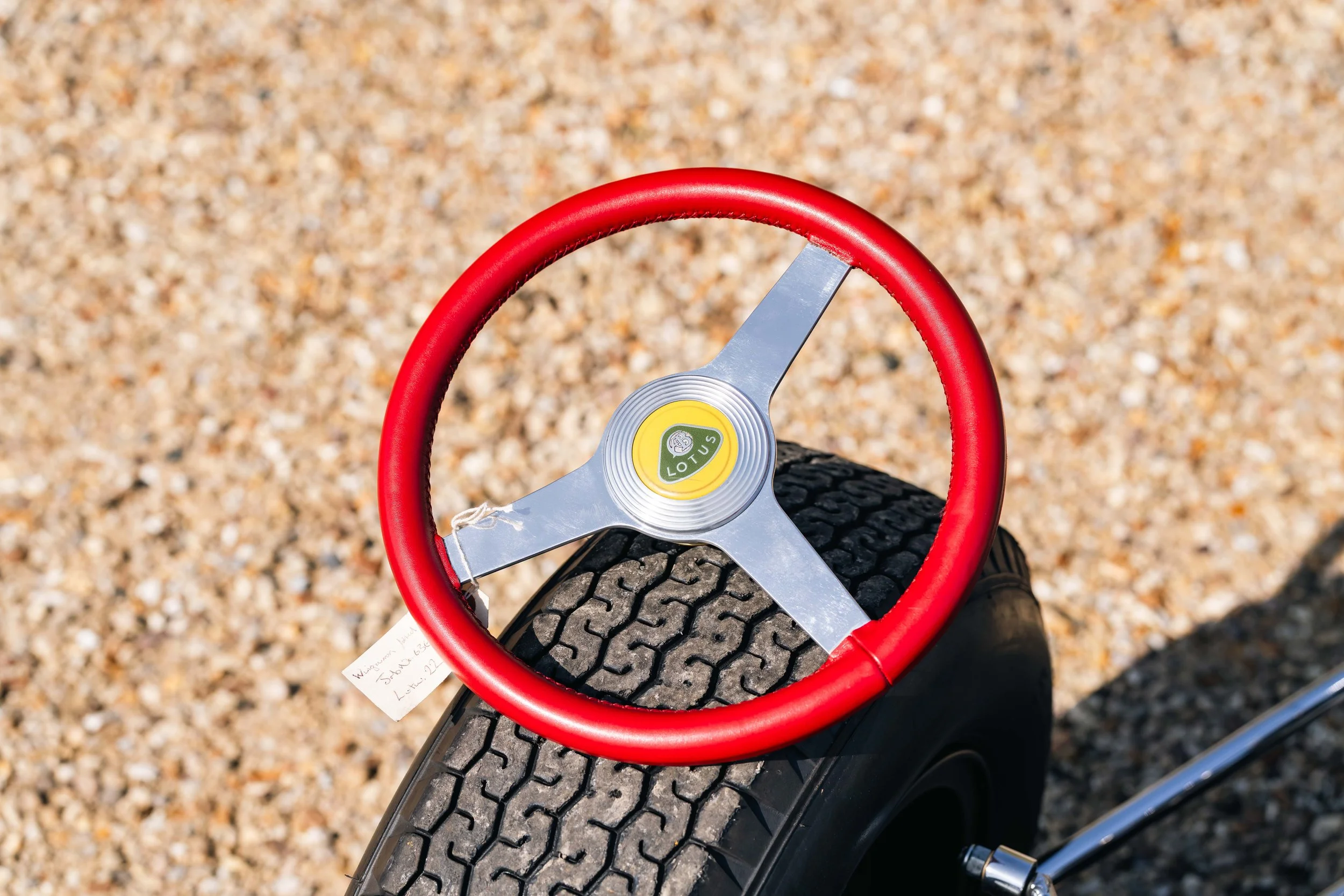
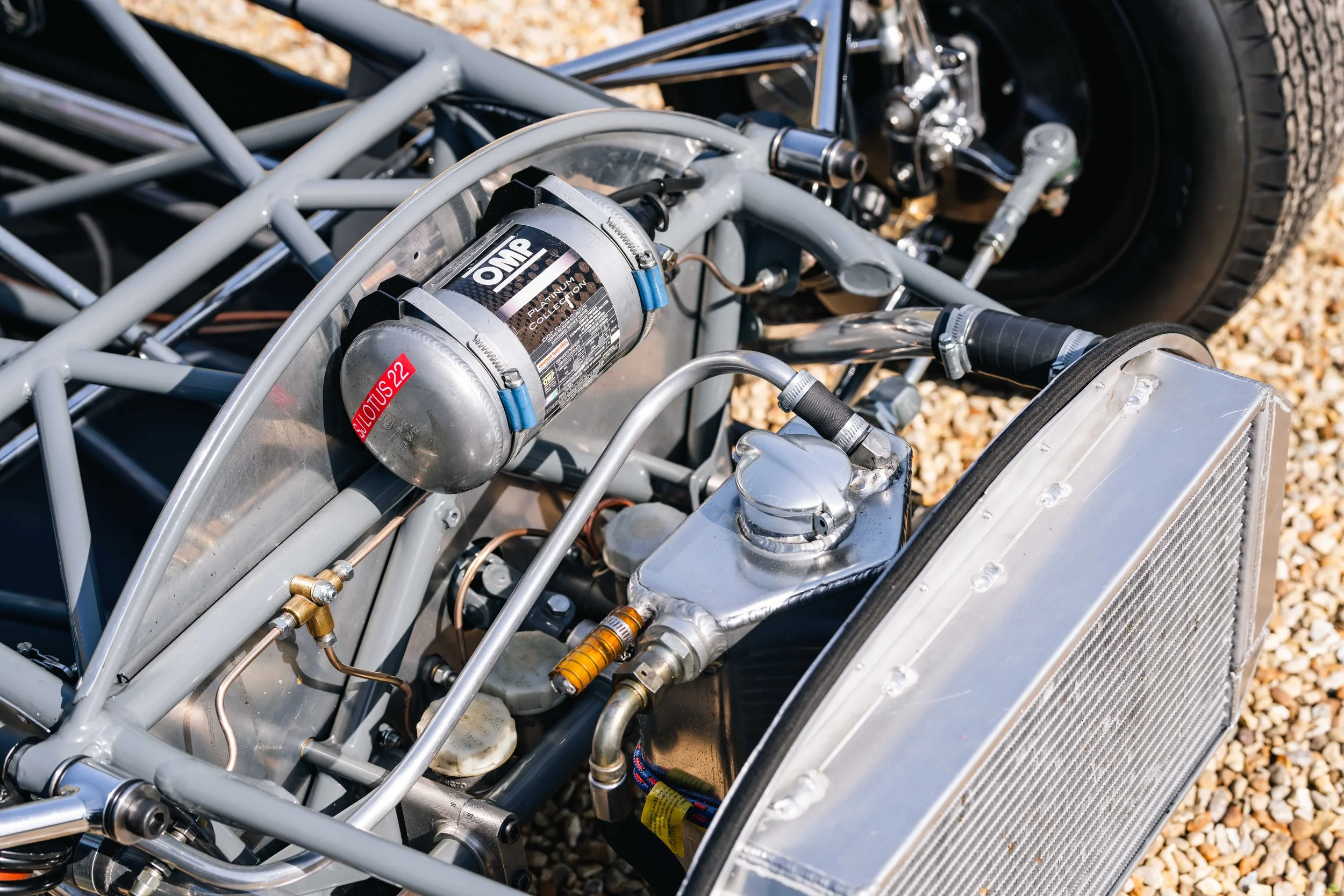
Following its purchase by Audi, the car was entrusted to Hall & Hall for preparation, where a refinement of mechanical aspects — most notably relating to engine installation and plumbing — were addressed. The car was comprehensively sorted and refinished from its earlier red livery to green with a yellow stripe.
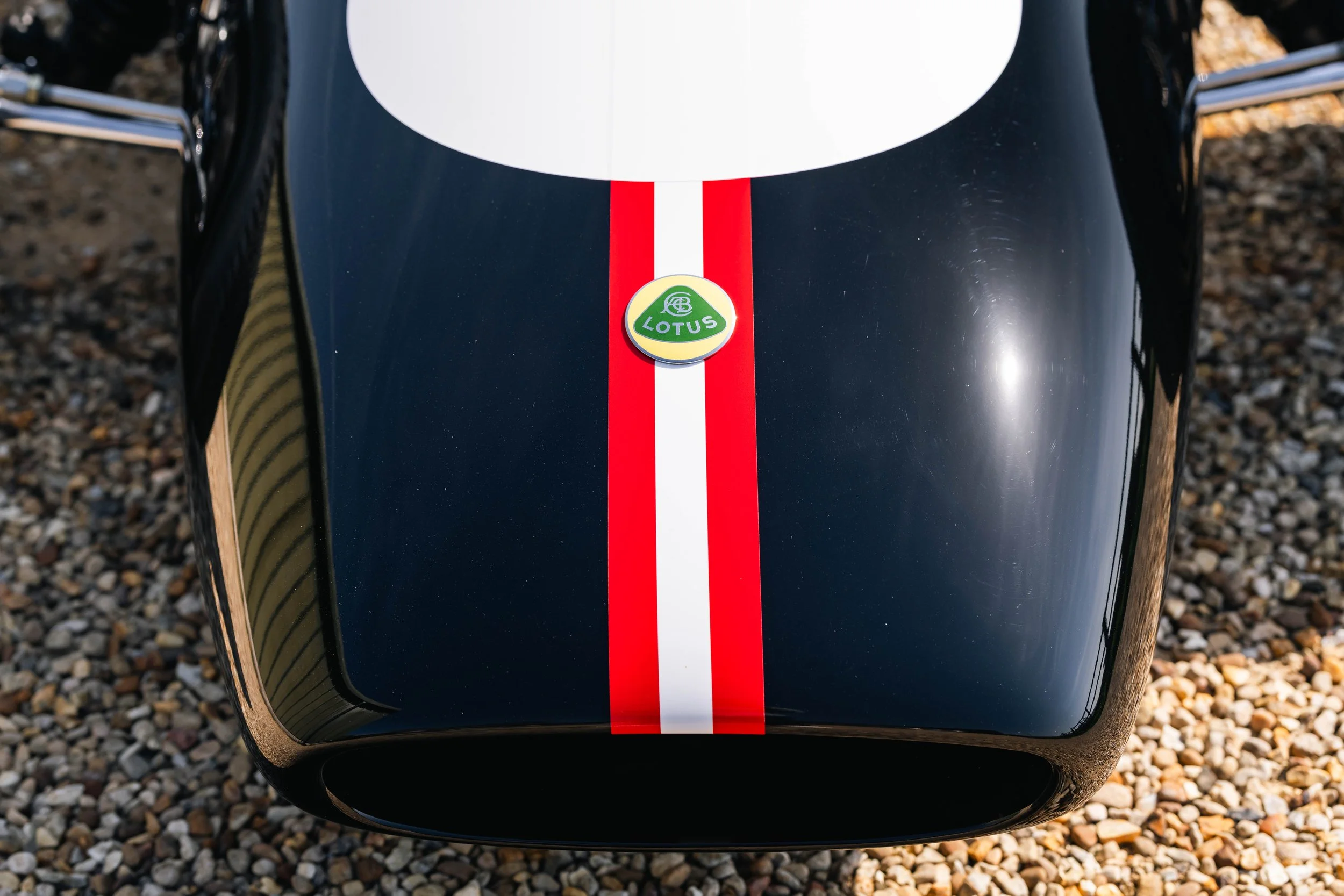
22-J-39 has been run only sparingly in the current ownership with outings in the FIA Lurani Trophy in 2019 and at Silverstone in 2021, before being rebuilt with work including the fitment of a new Richardson-built engine and a change of colour to black with longitudinal stripes in the Austrian national colours. Following the rebuild, the 22 was only tested once and raced at Brno in 2024. As such, the mileage on engine and gearbox is minimal.
Today, 22-J-39 is eligible for the foremost Formula Junior competitions spanning the globe, including the Lurani Trophy and Formula Junior Historic Racing Association (FJHRA) events, as well as blue riband invitation races such as the Goodwood Revival’s Chichester Cup (which next runs for this car in 2027).
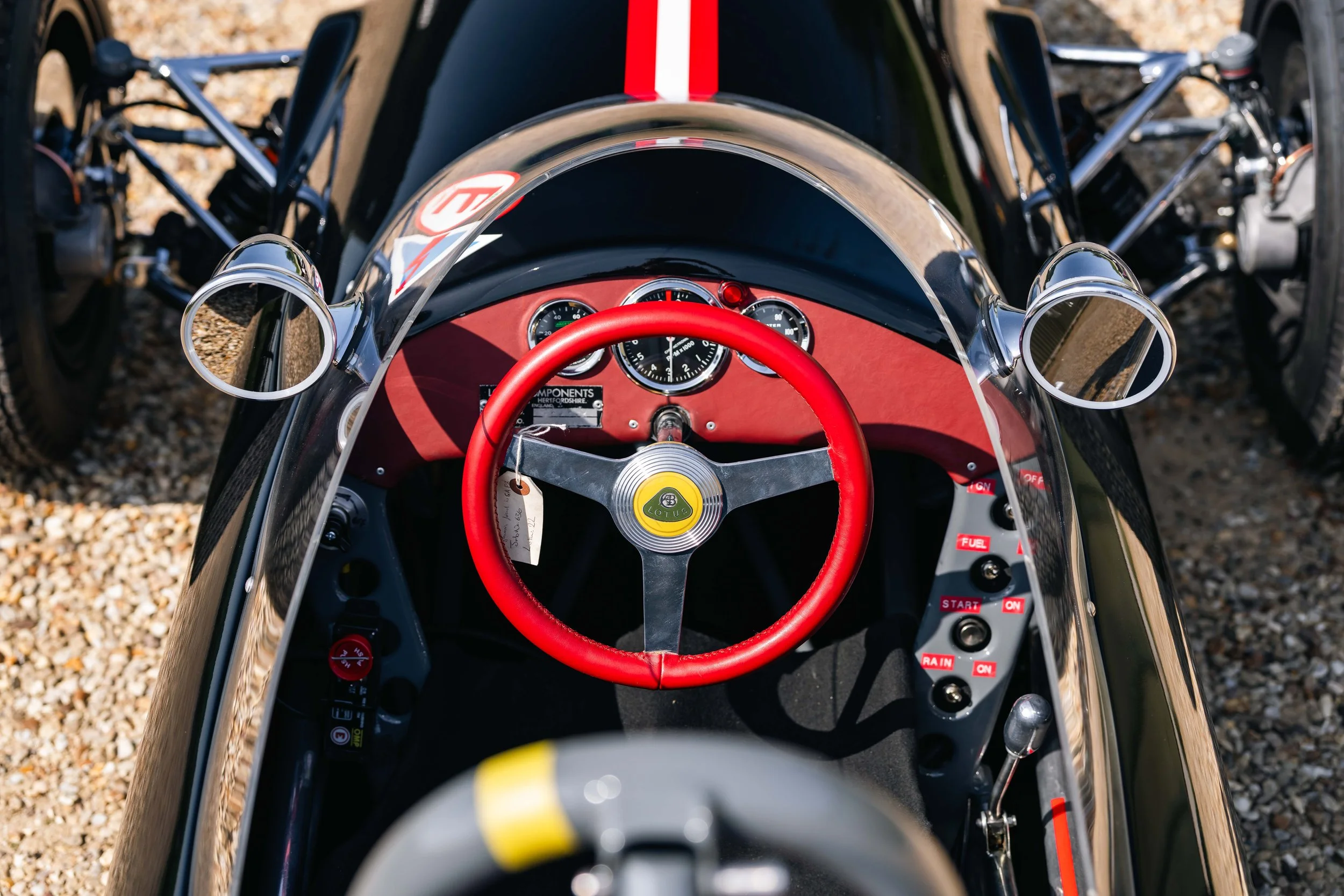
It is accompanied by an FIA Historic Technical Passport (HTP) valid until December 2031, although the photography will require updating to reflect the car’s current livery. With minimal mileage in recent seasons and prepared to a beautiful standard, the 22 offers an accessible route into top-tier historic single-seater racing, with the potential to win races outright in capable hands.
Get in touch to find out more
Please feel free to get in touch and I’ll be happy to discuss the car with you.
Either fill in the form to the right or call on 0044 (0) 7535 148 470.