
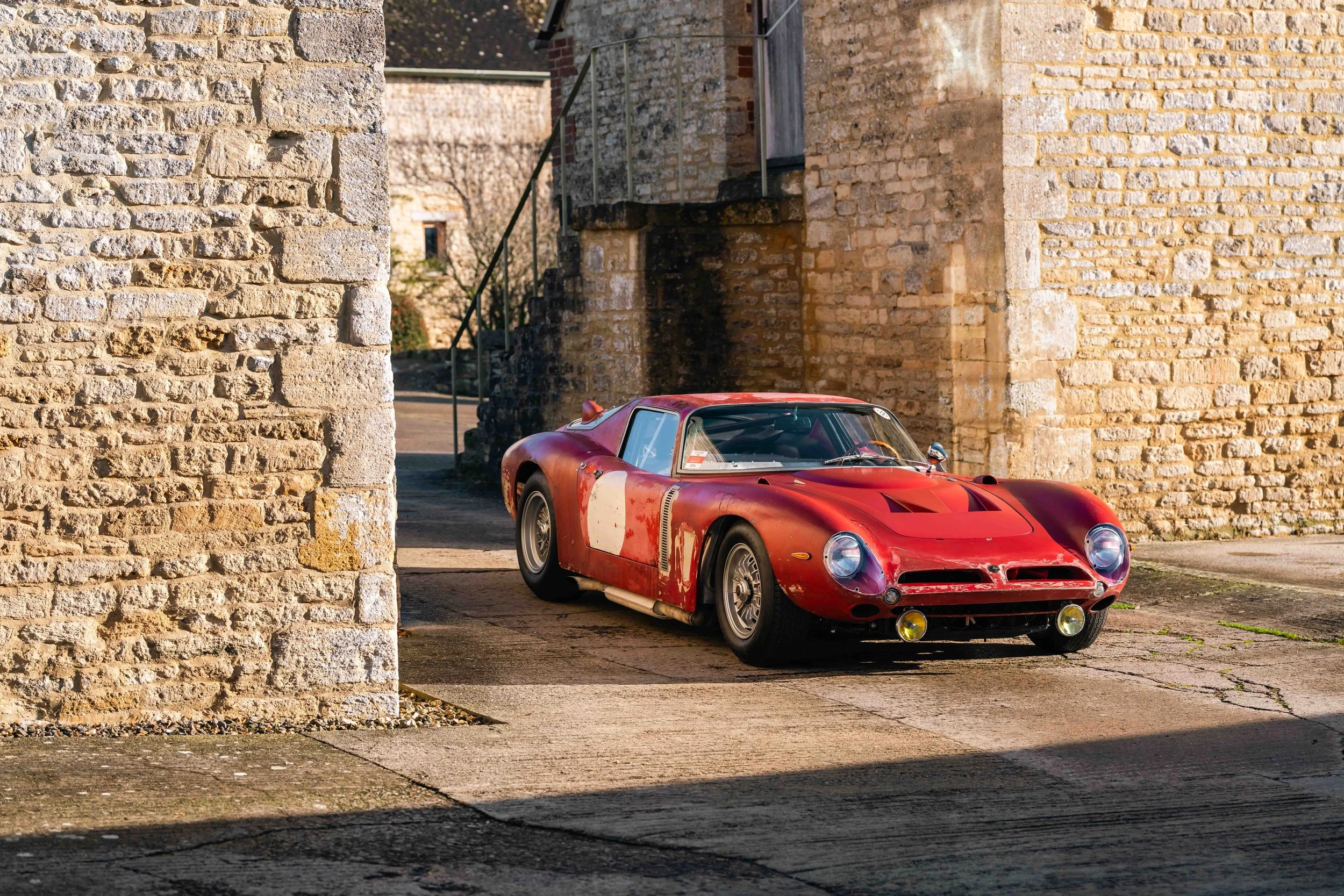
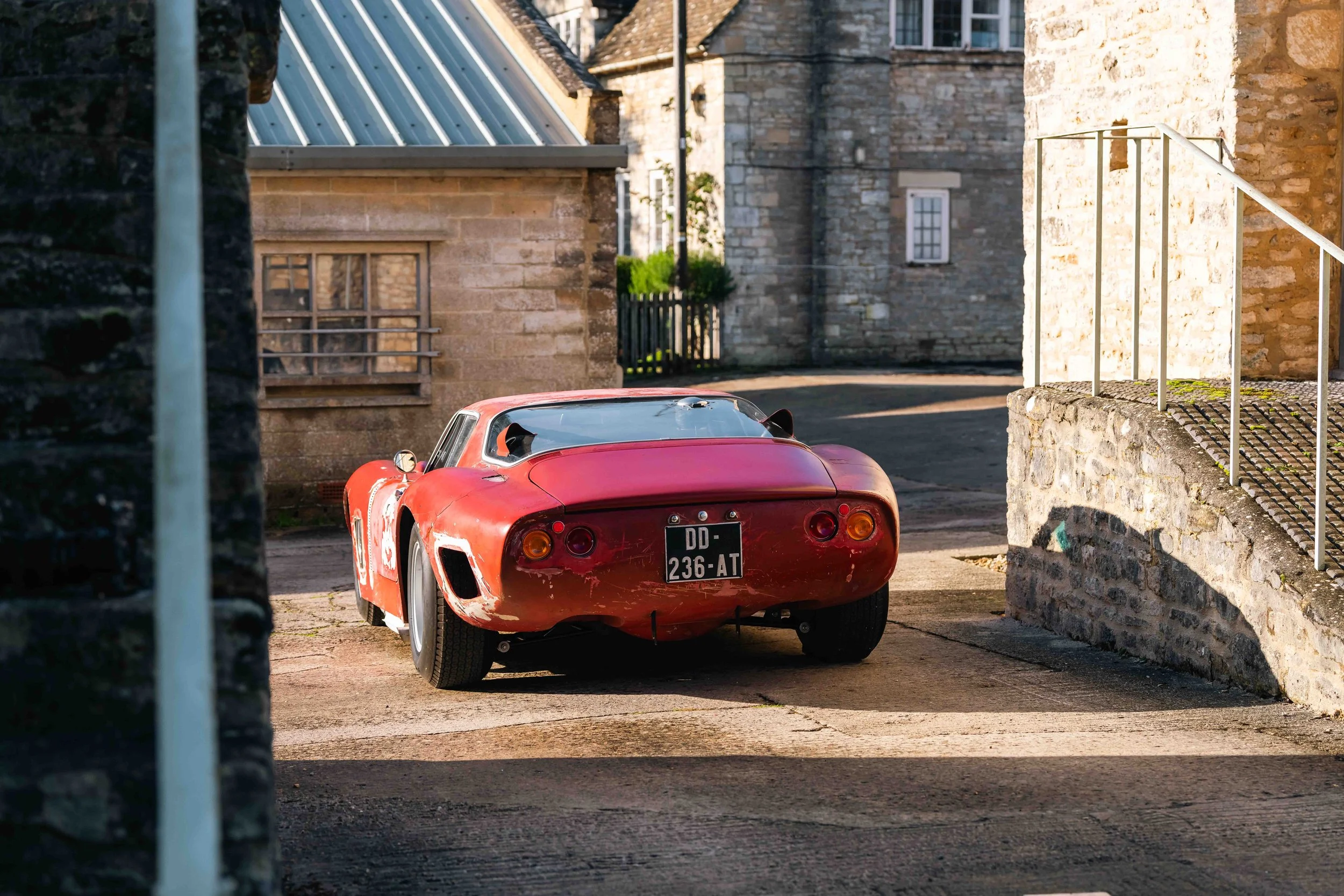
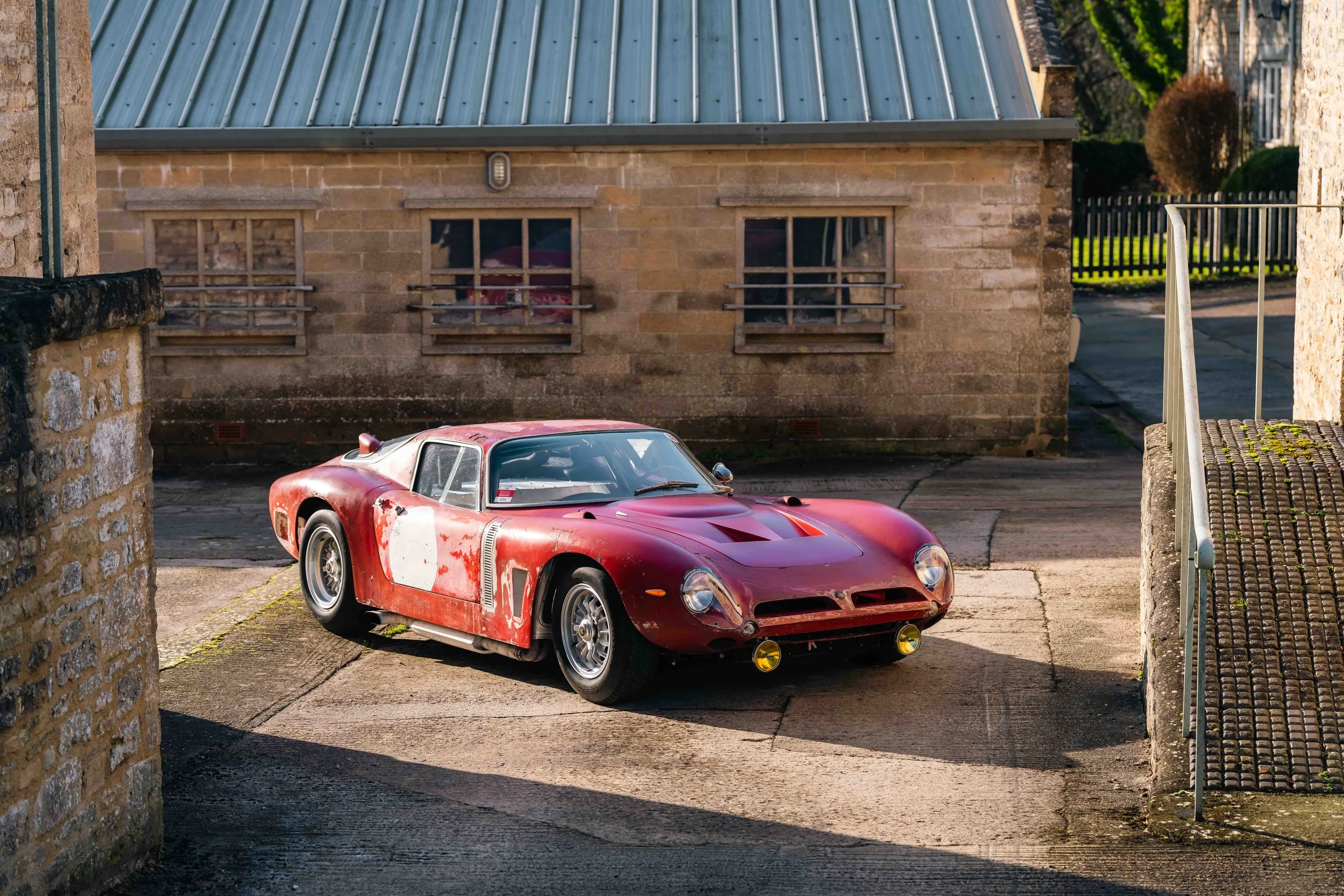
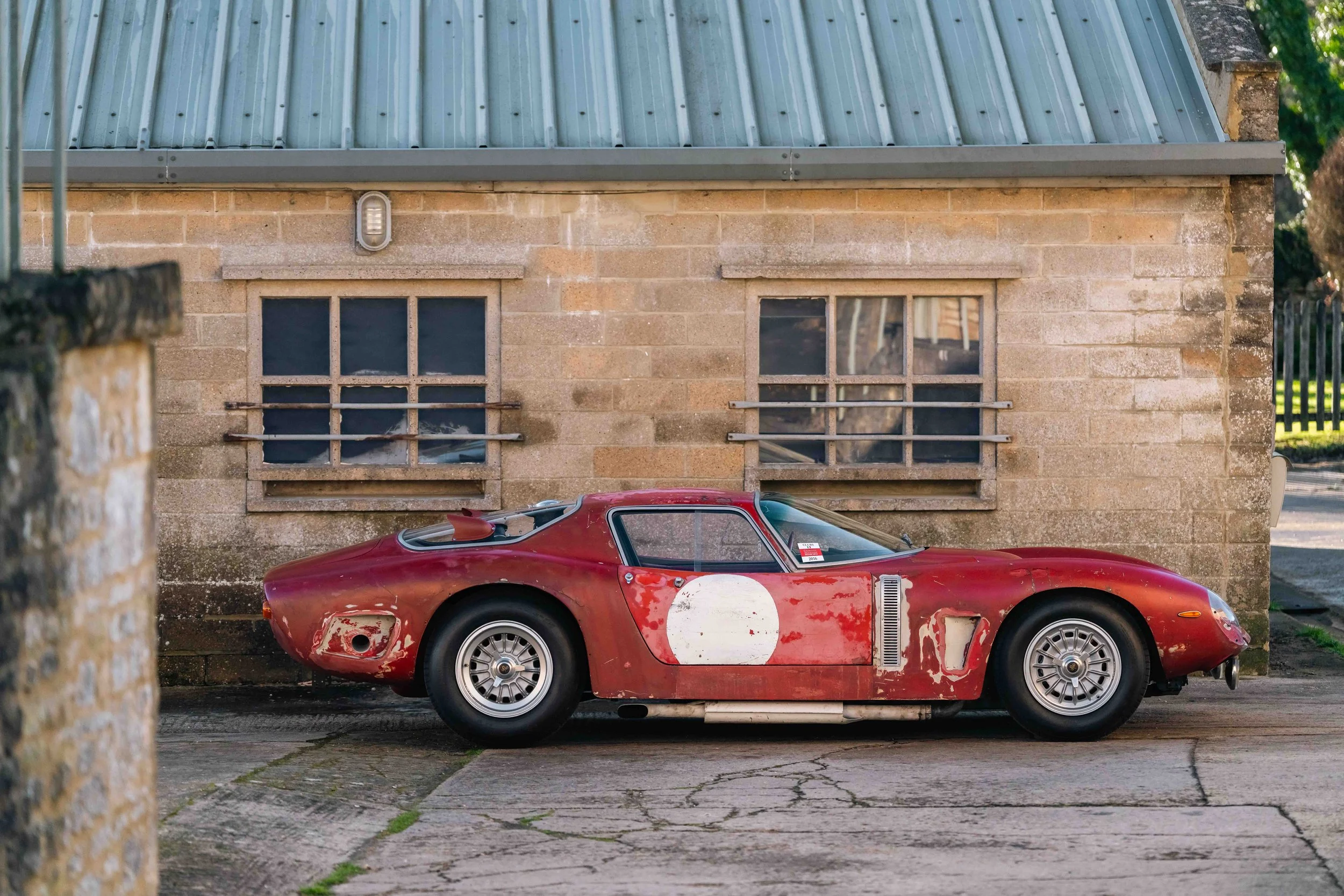
One of two Works A3/Cs of 1965
Fibreglass Wide Body, Independent Rear Suspension
1965 Iso Grifo A3/C
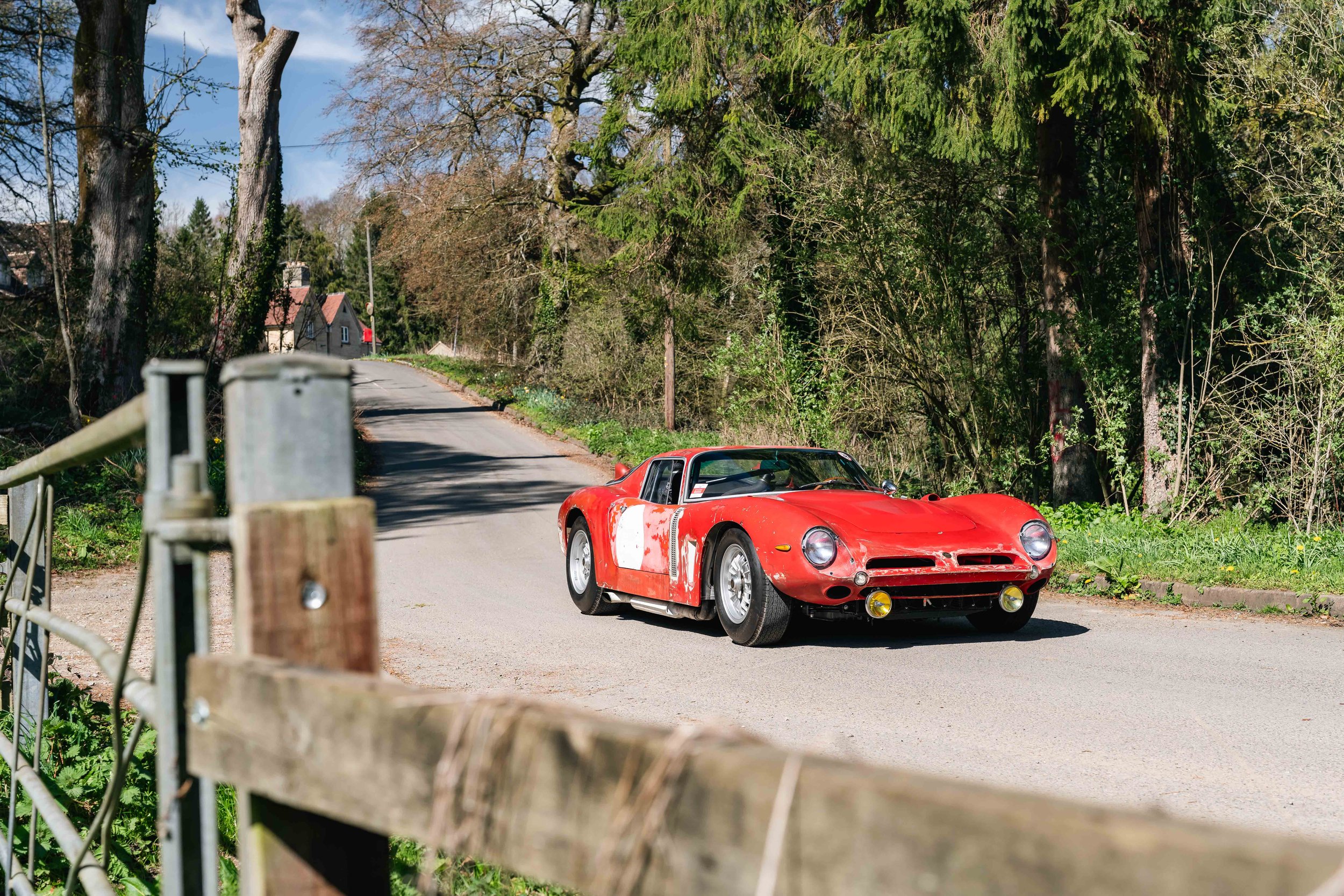
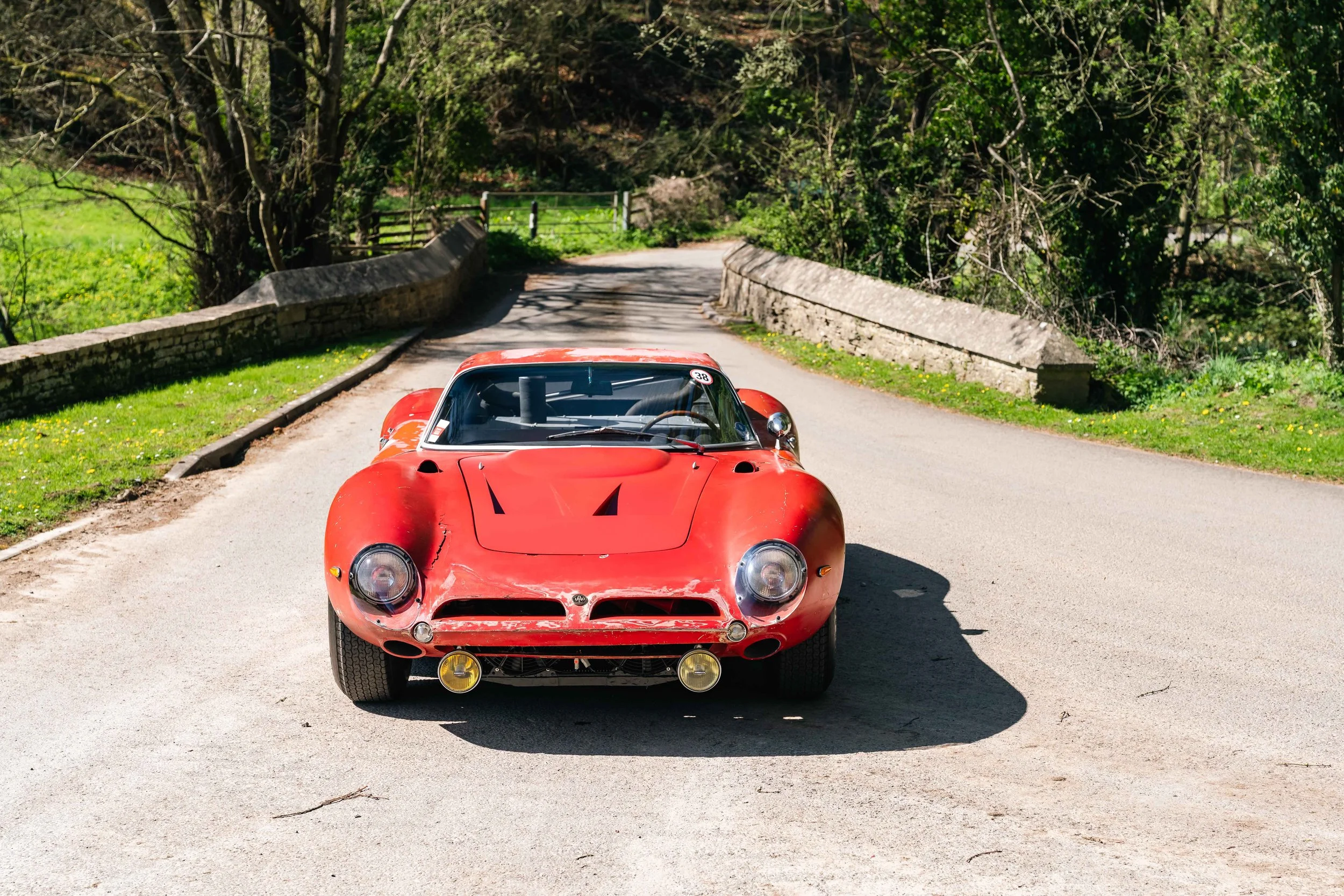
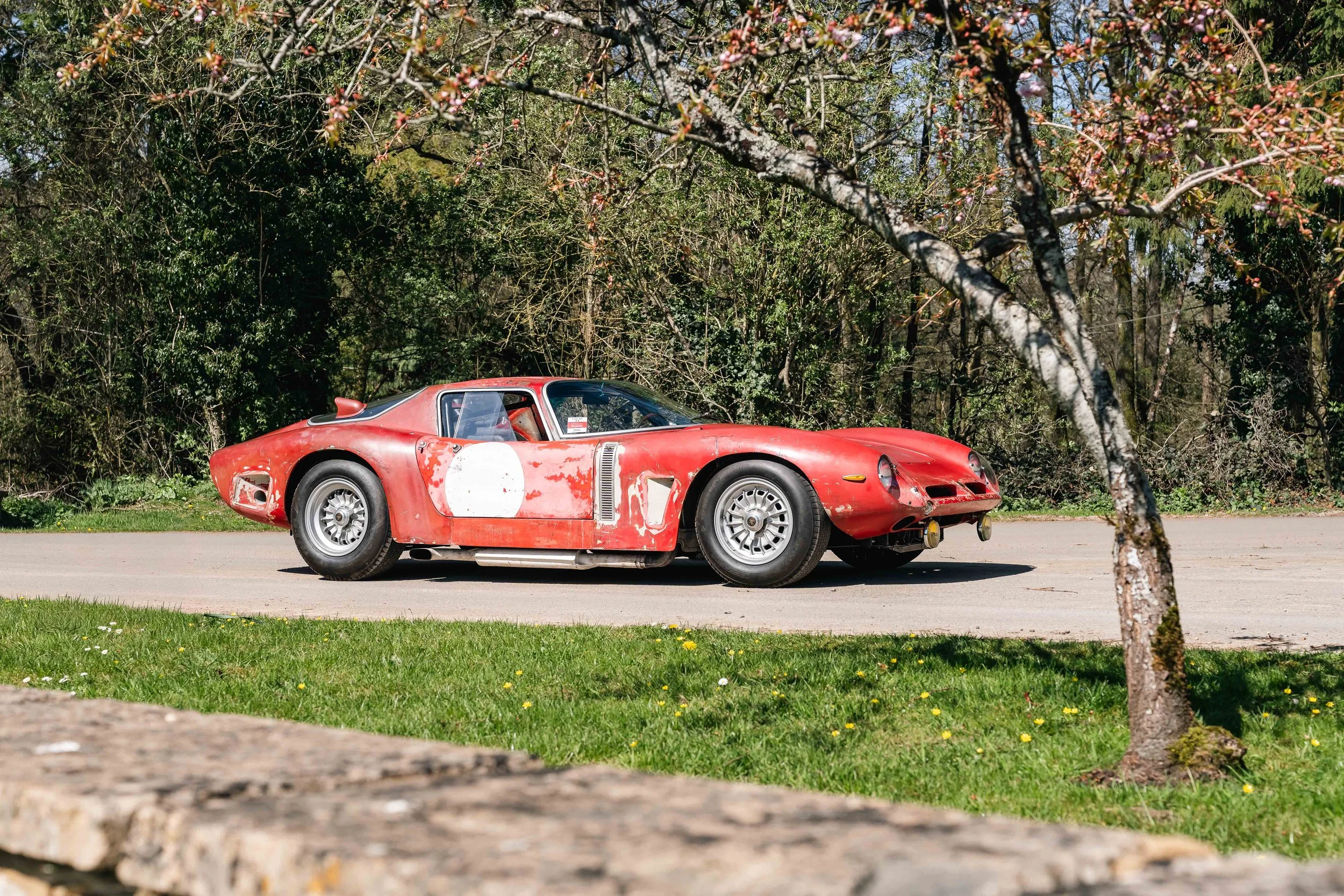
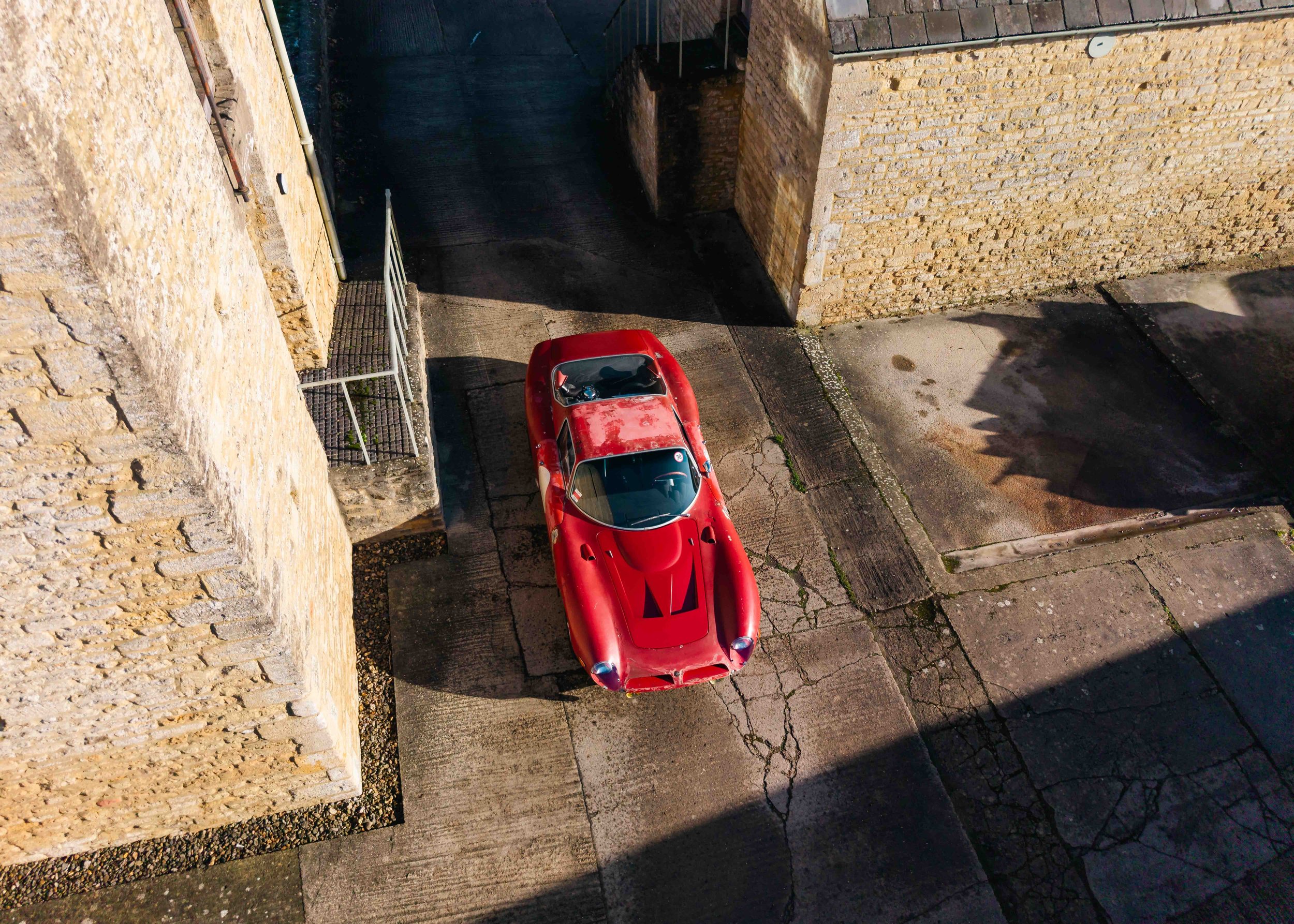
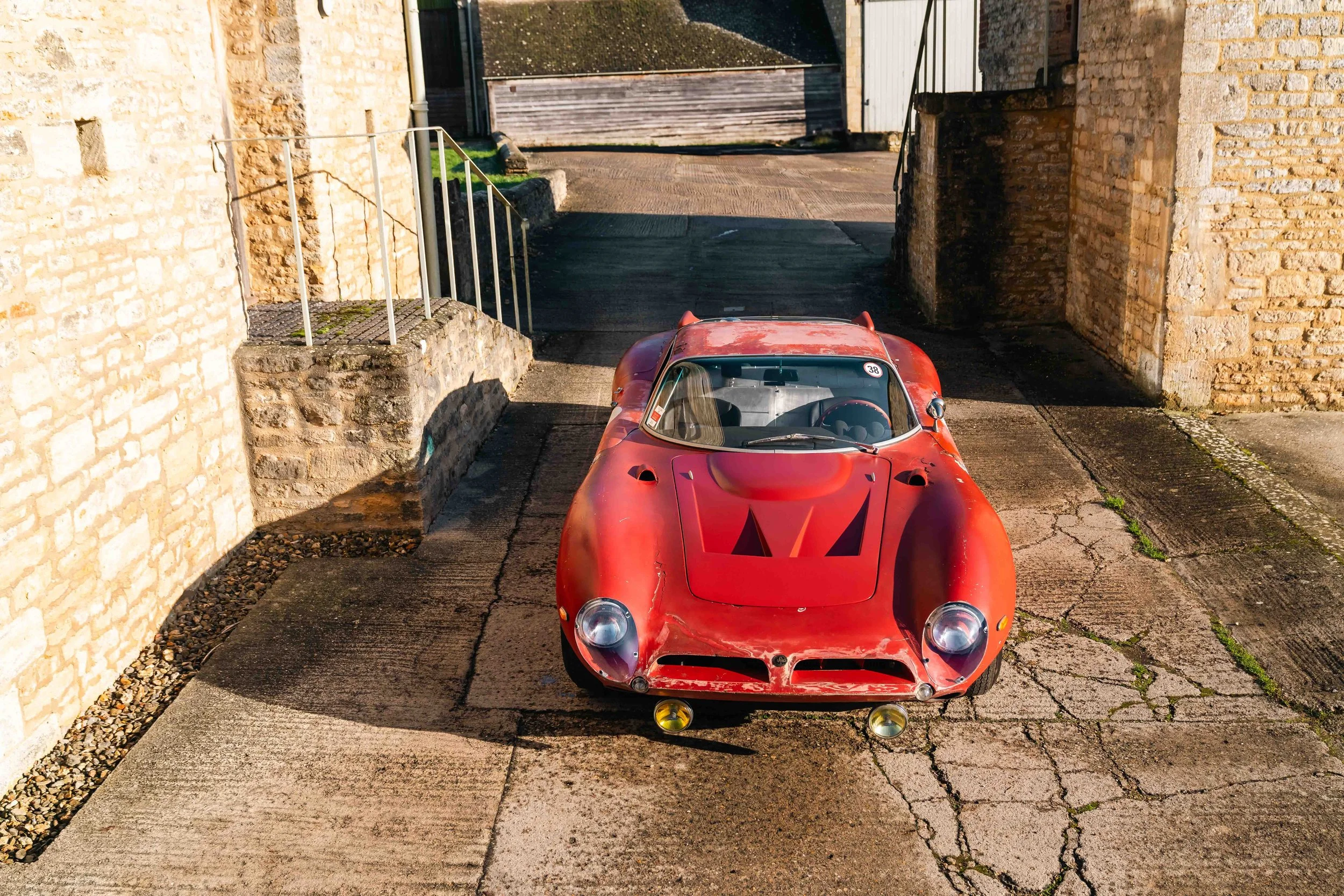
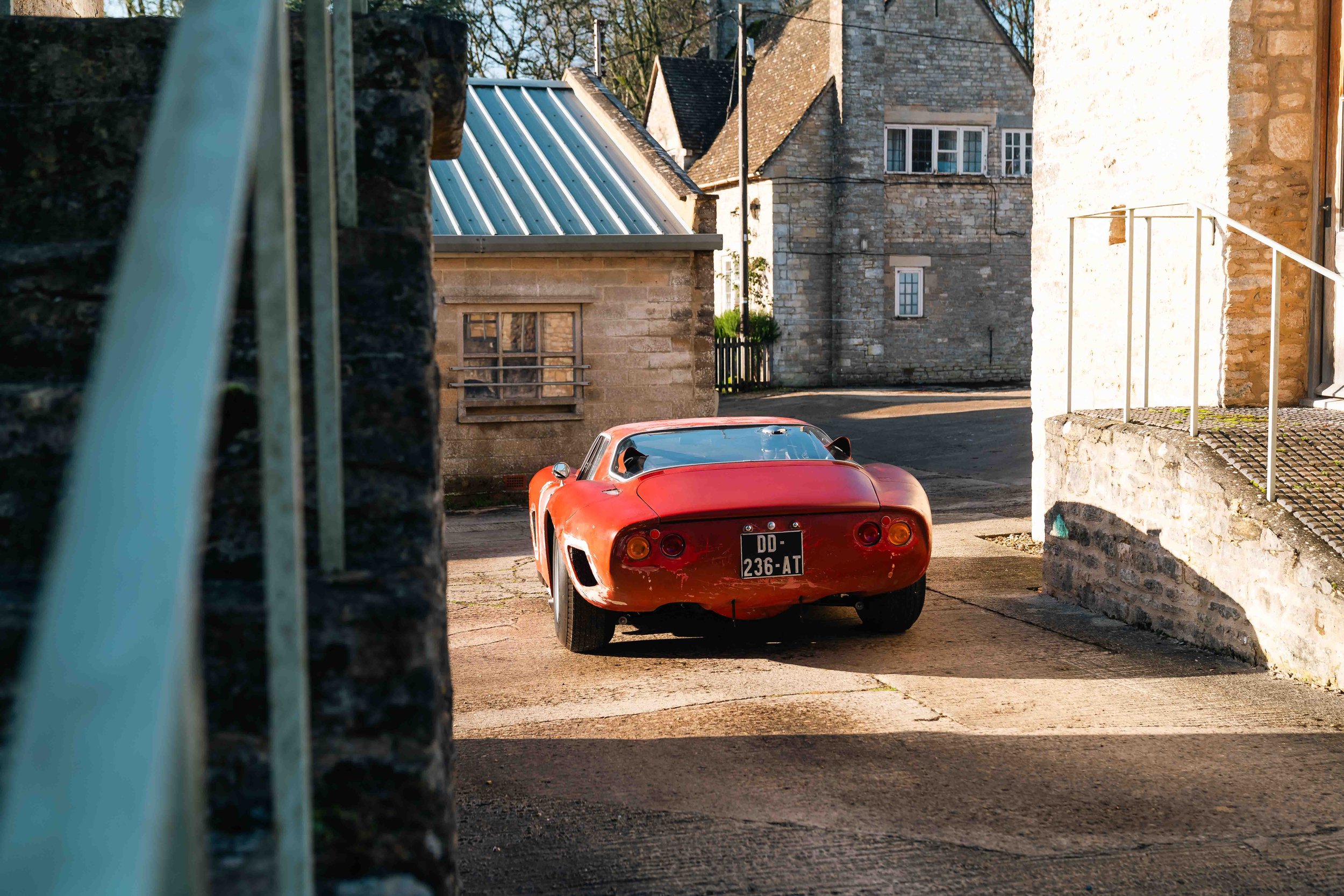
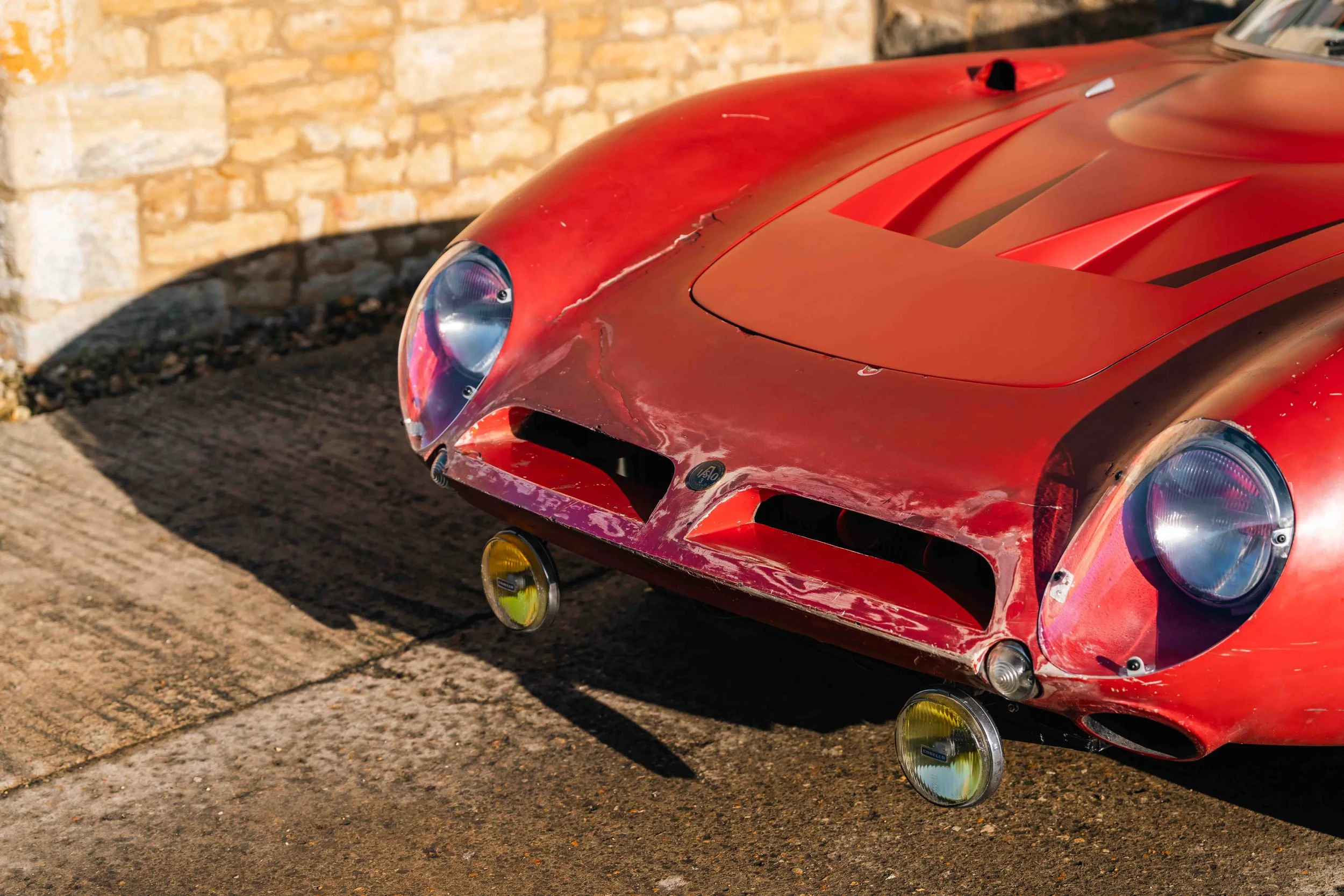
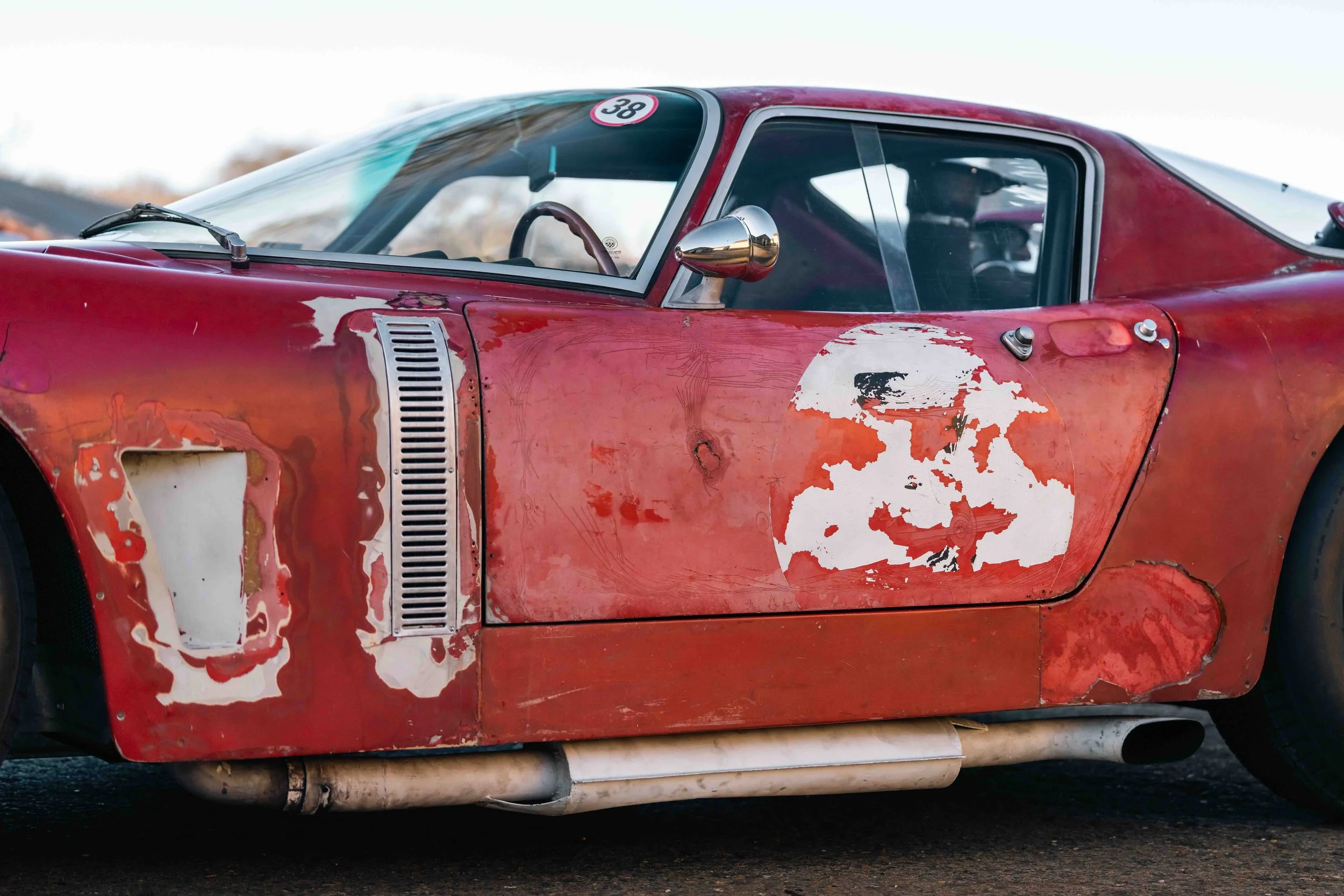
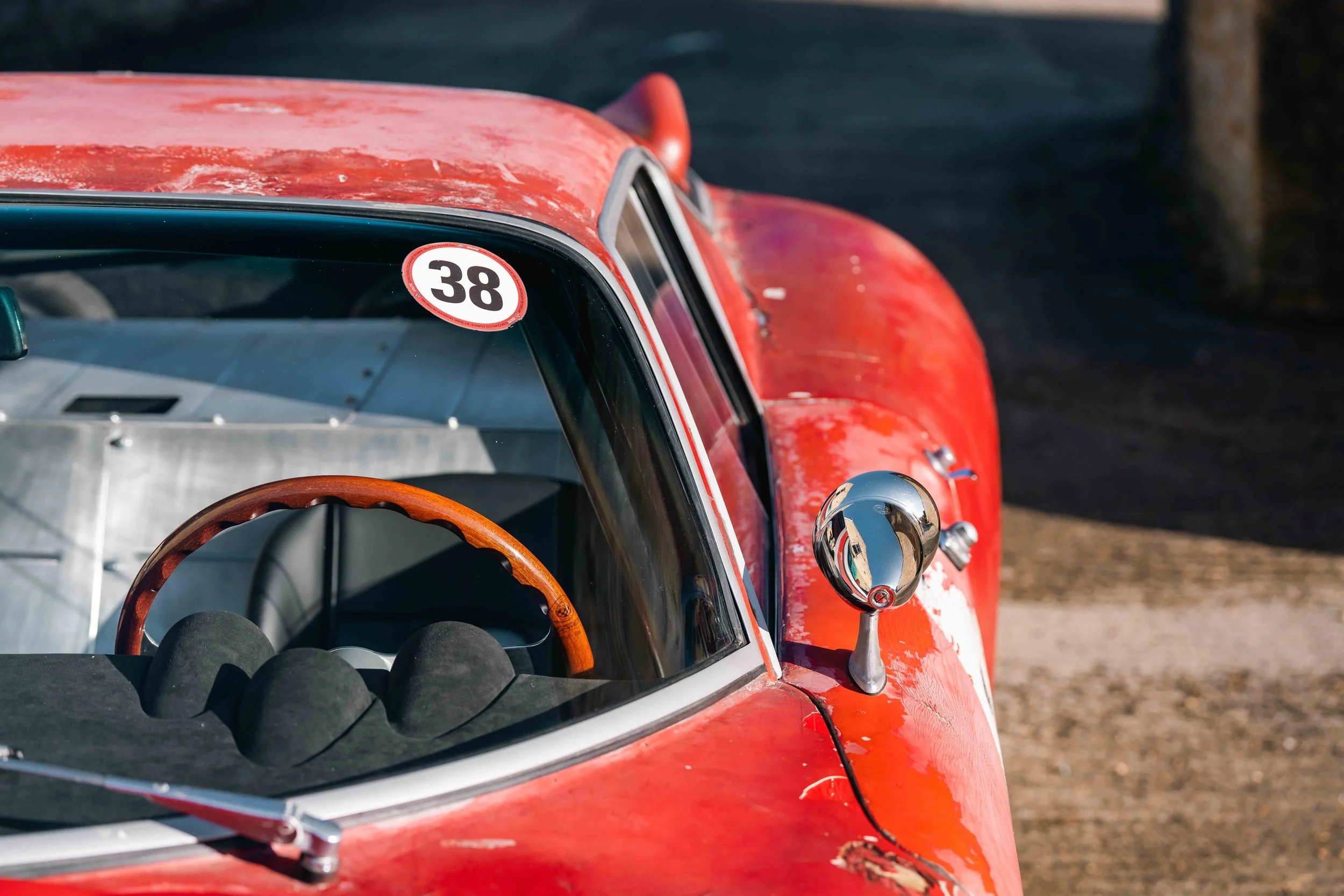
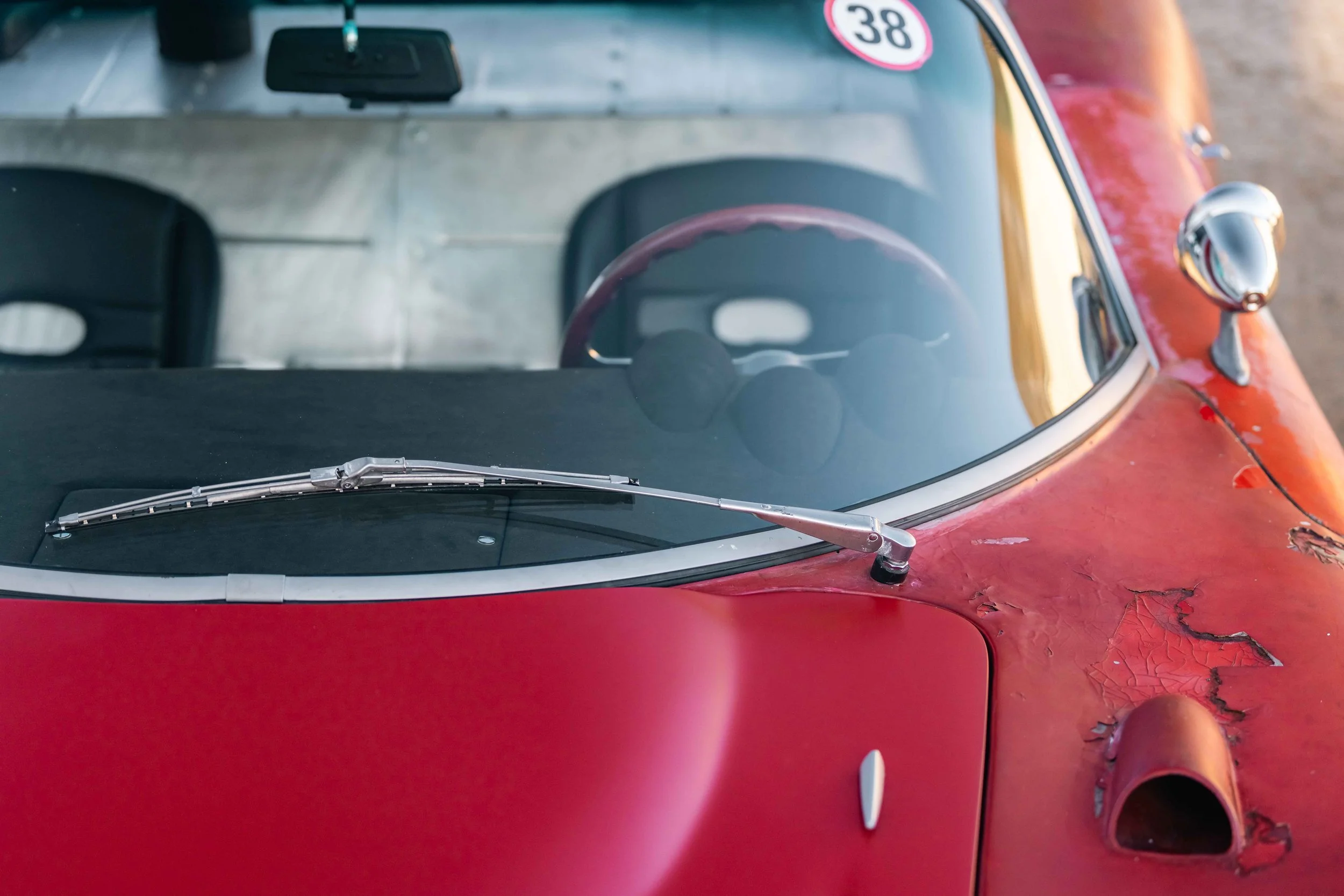
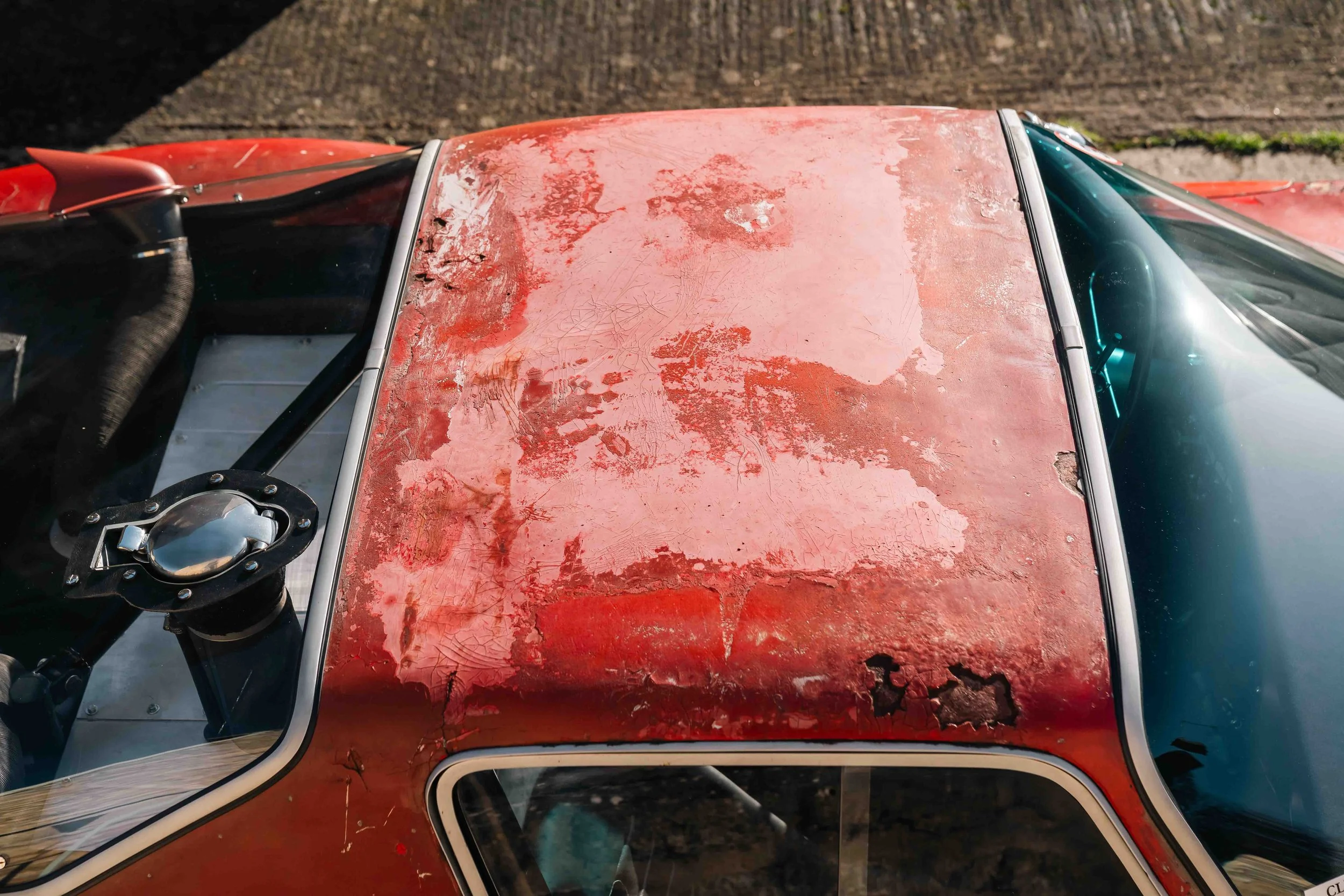
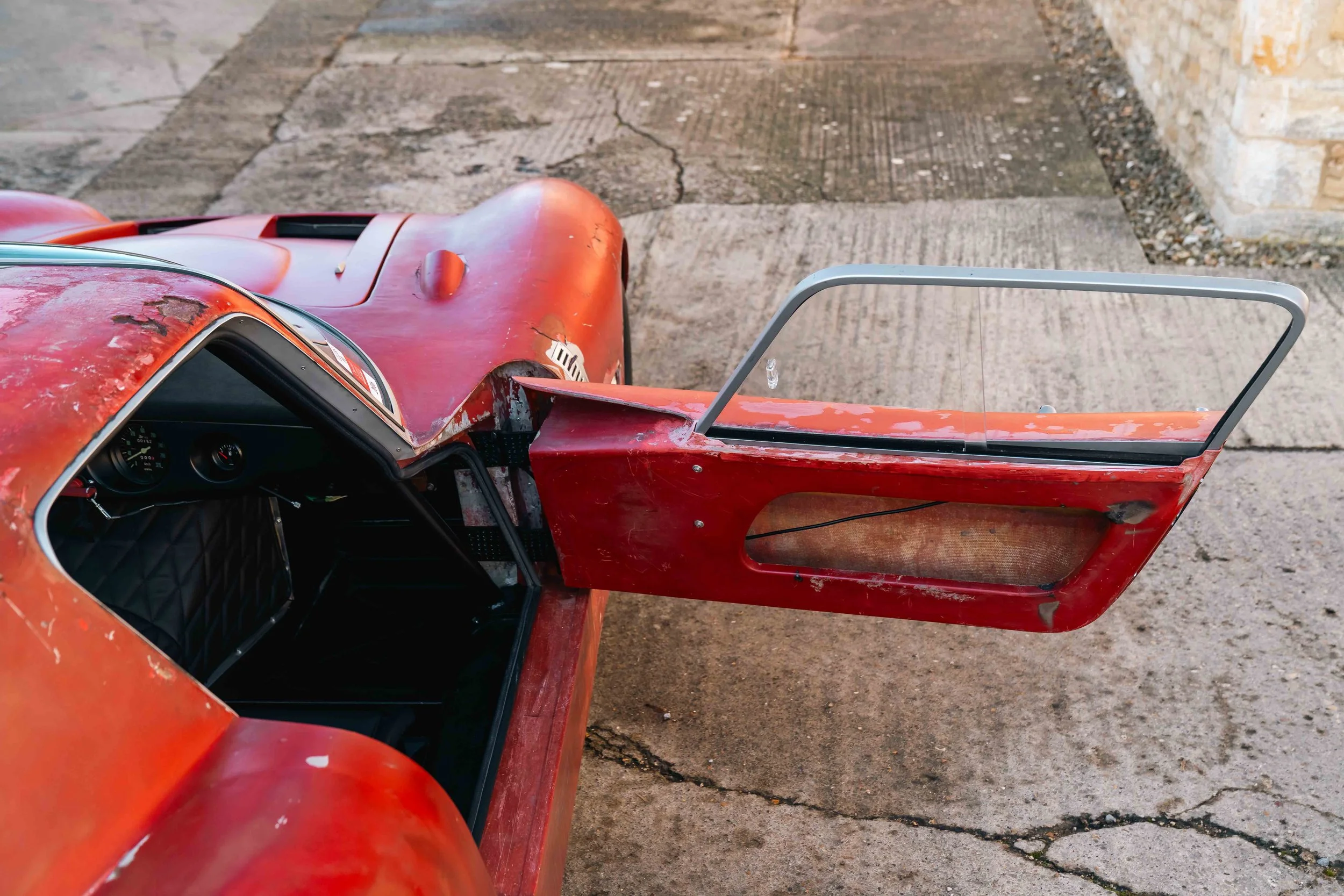
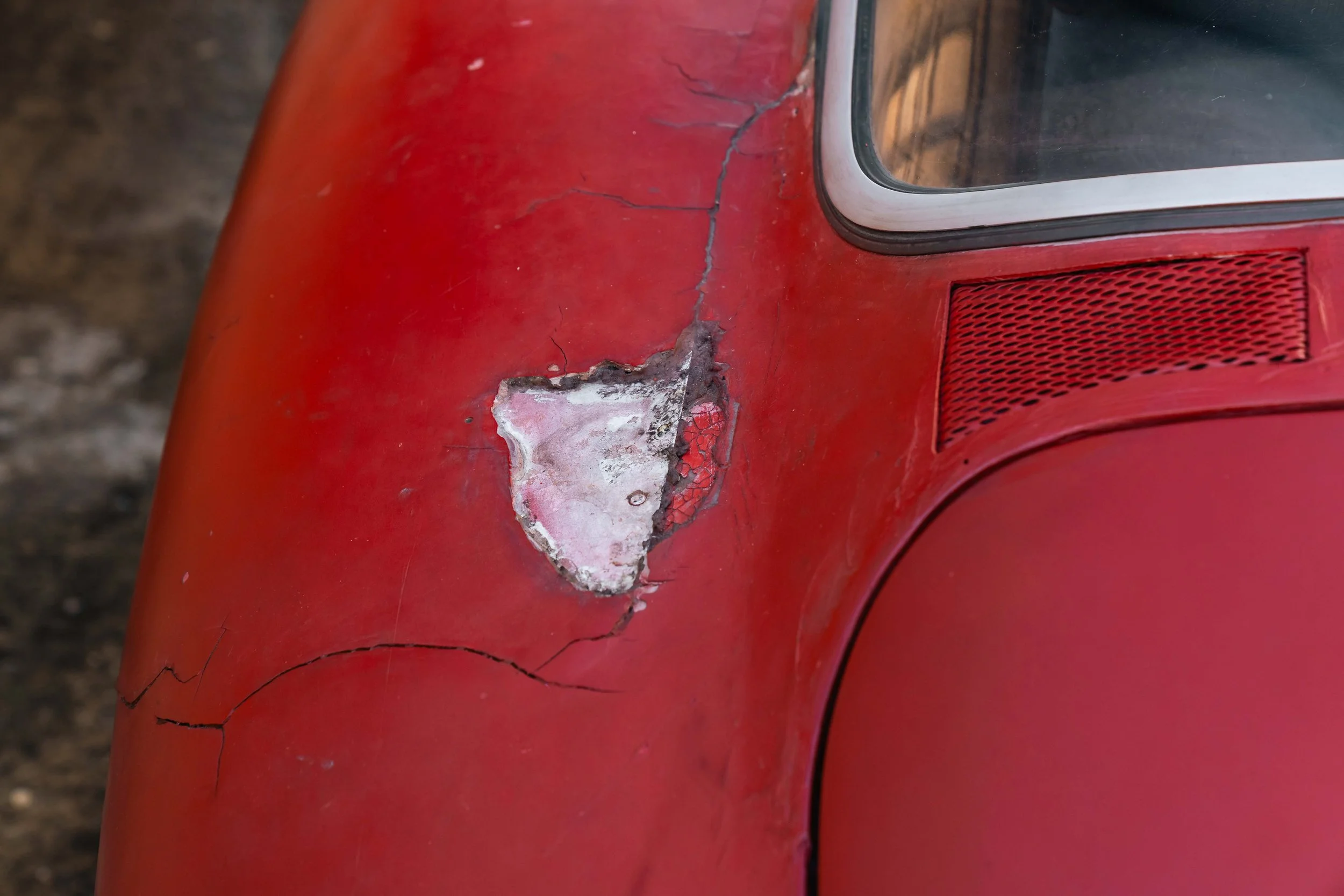
The ultimate in Iso Grifo or Bizzarrini, said to be the only A3/C to retain its original paint.
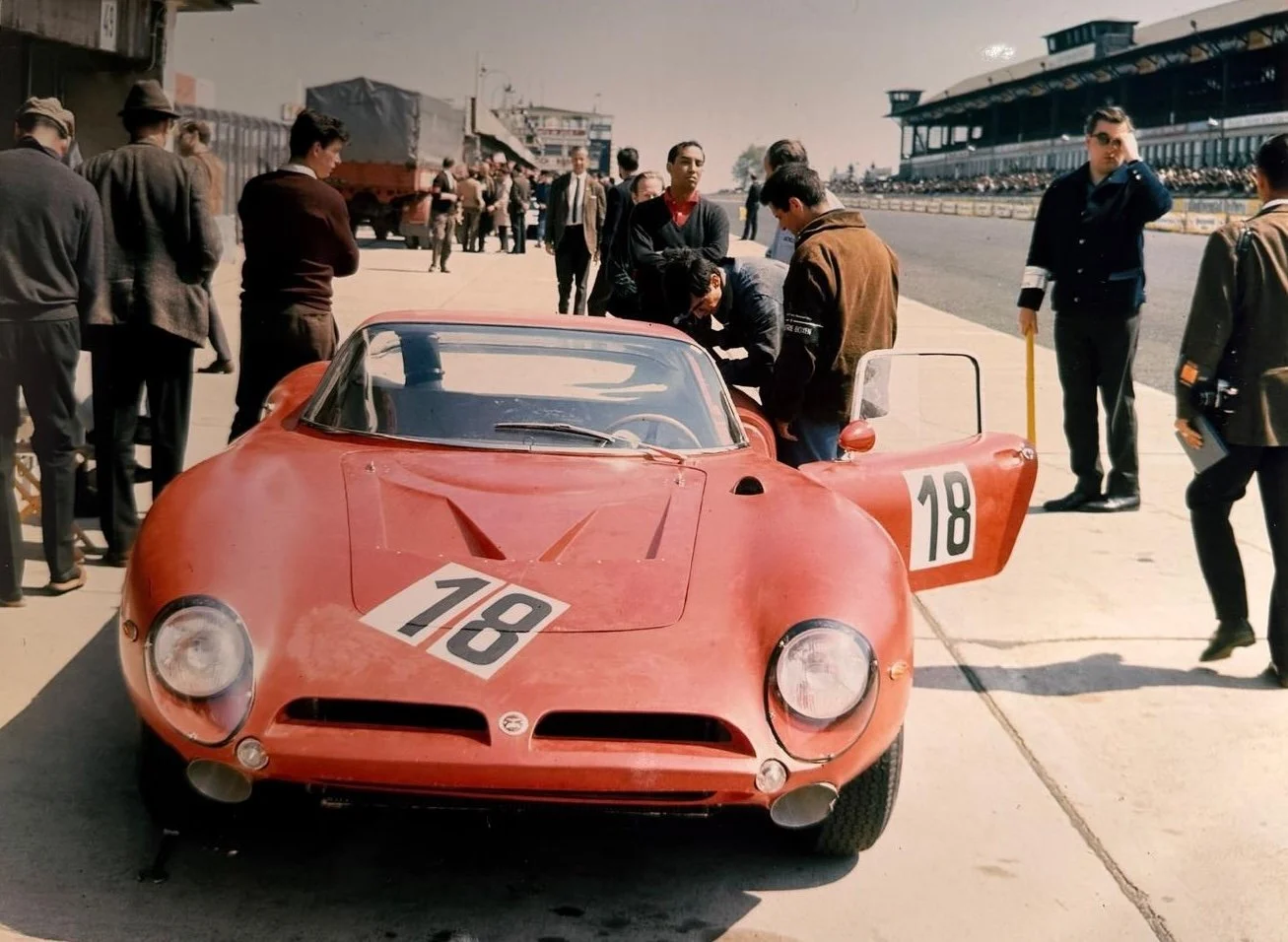
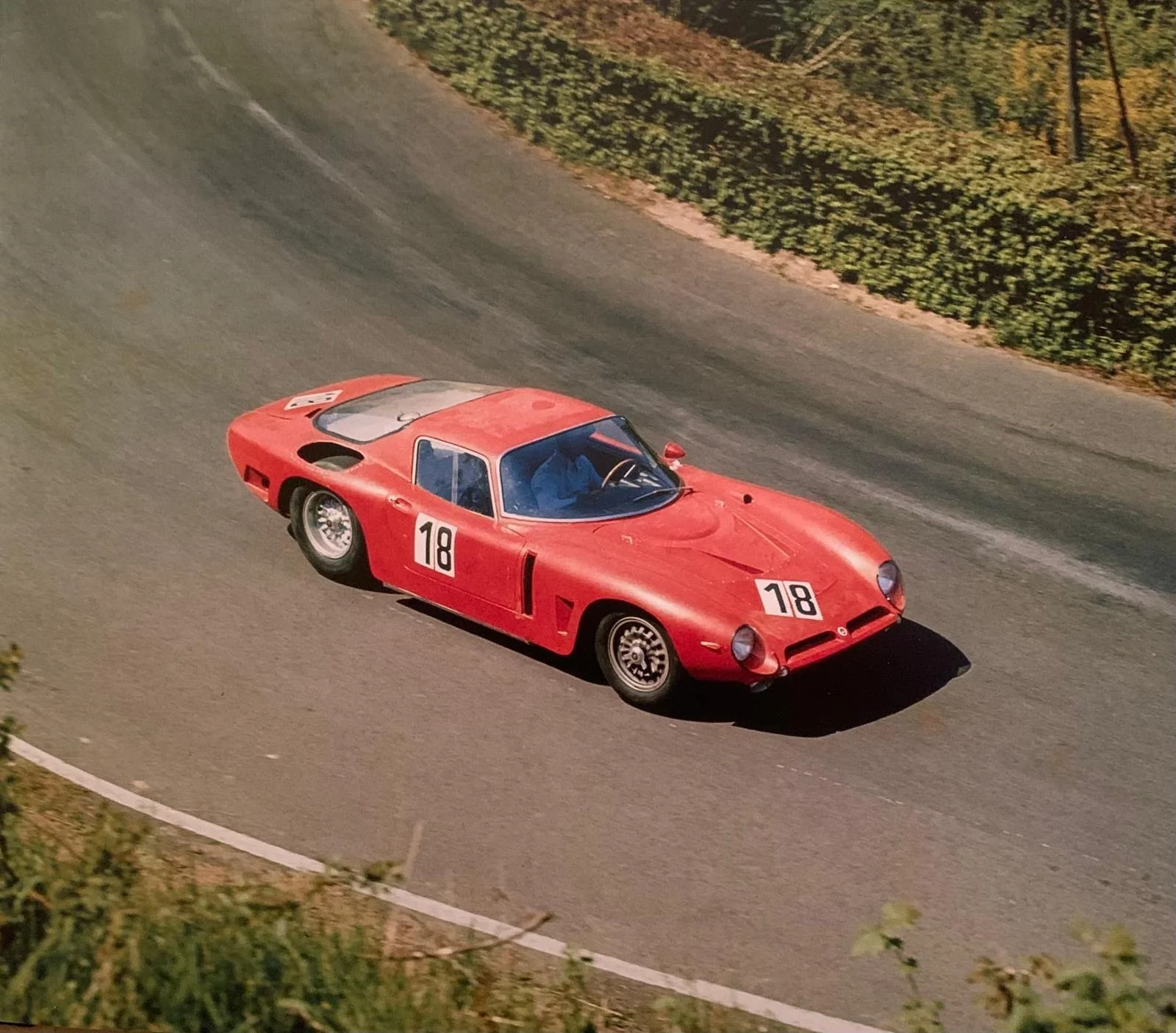
One of just two works racing fibreglass, independent rear suspension Iso Grifo A3/Cs fielded by Renzo Rivolta and Giotto Bizzarrini’s Iso Grifo Prototipi equipe during the 1965 International racing season.
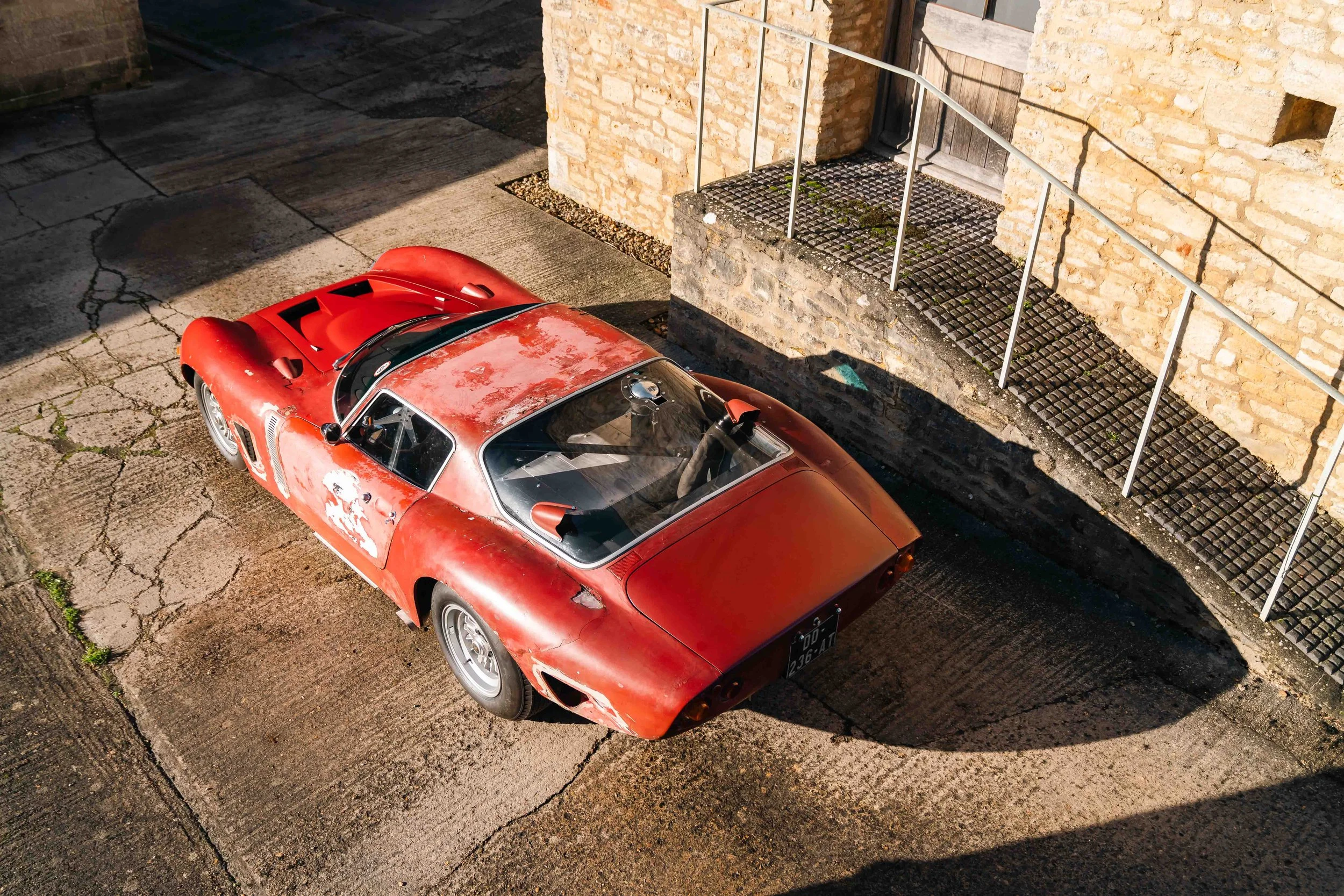
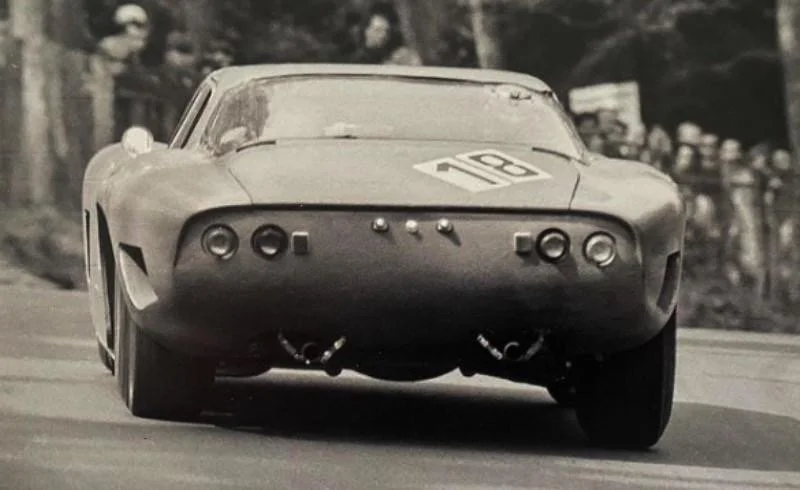
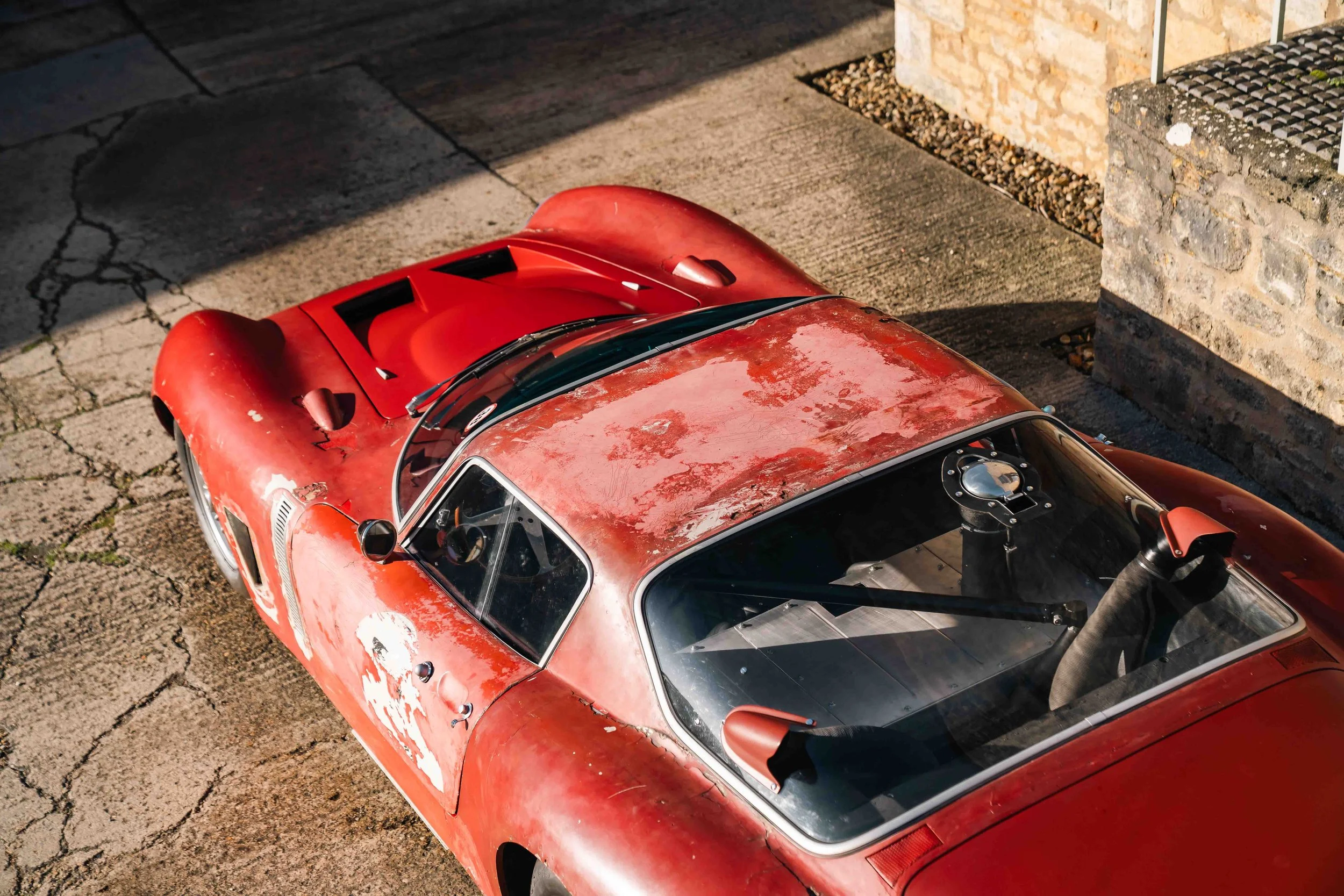
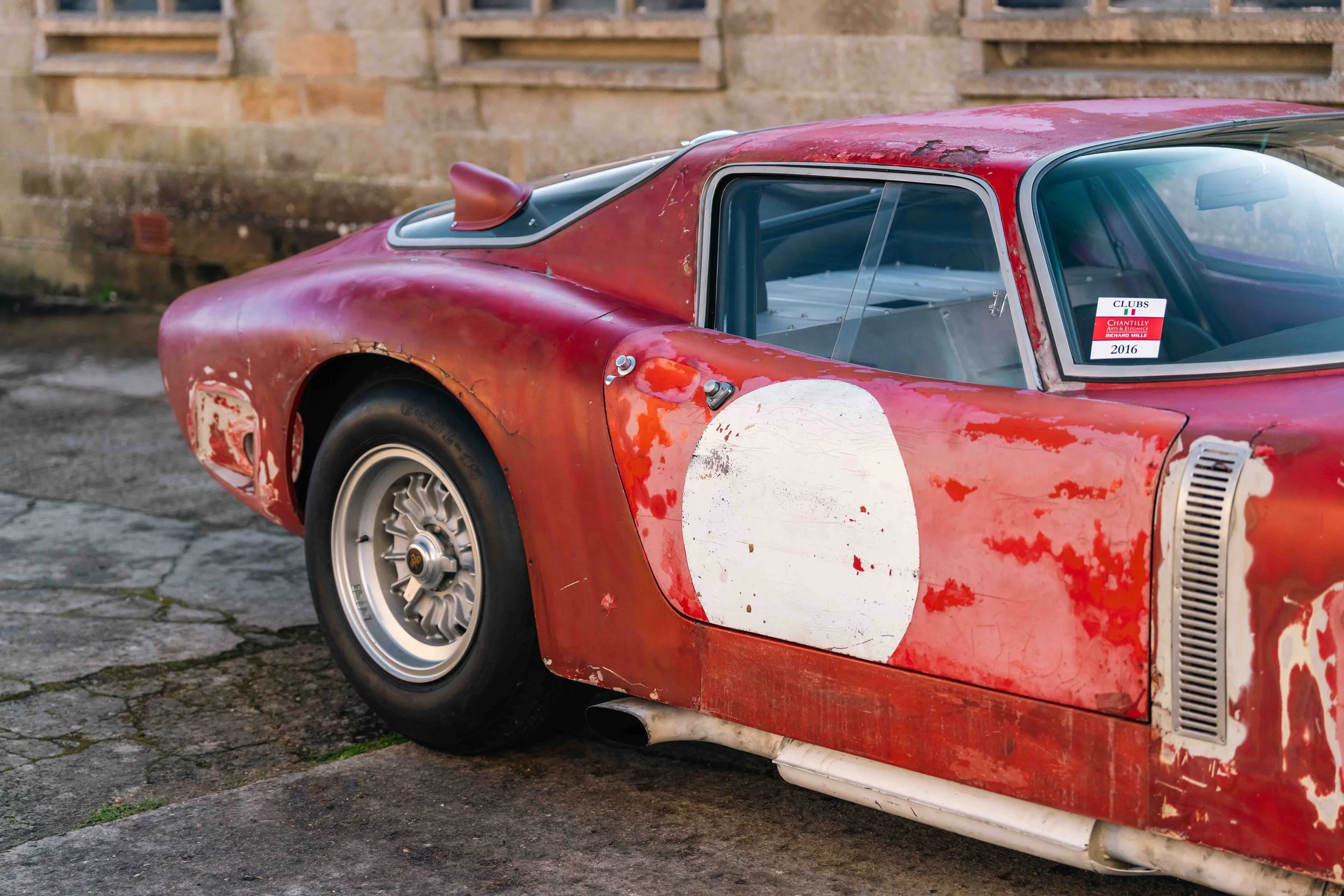
Wide bodied in lightweight fibreglass with double wishbone independant rear suspension, a marked improvement over the previous de Dion design.
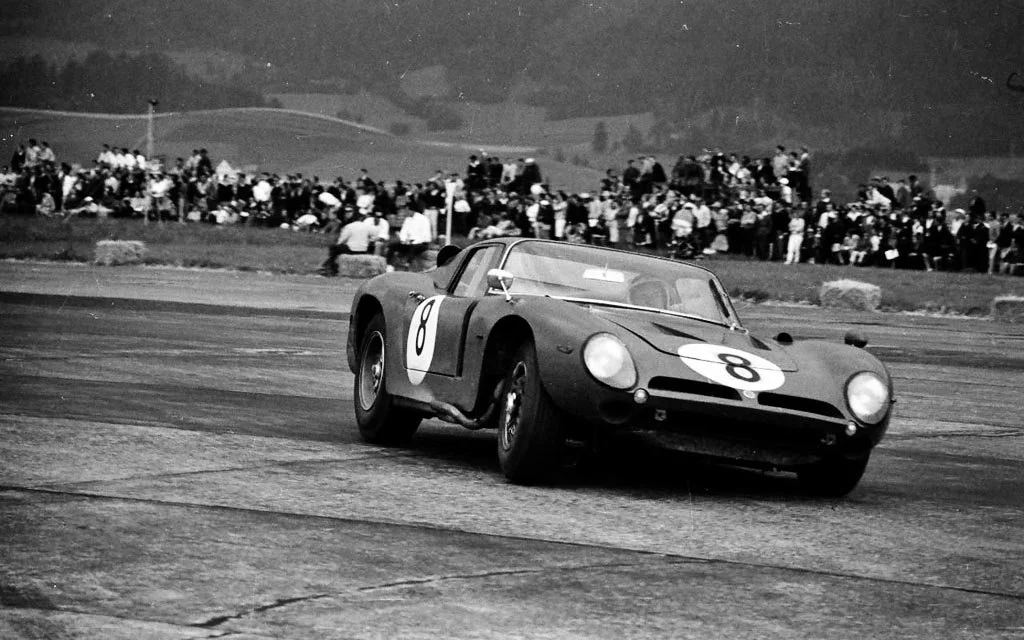
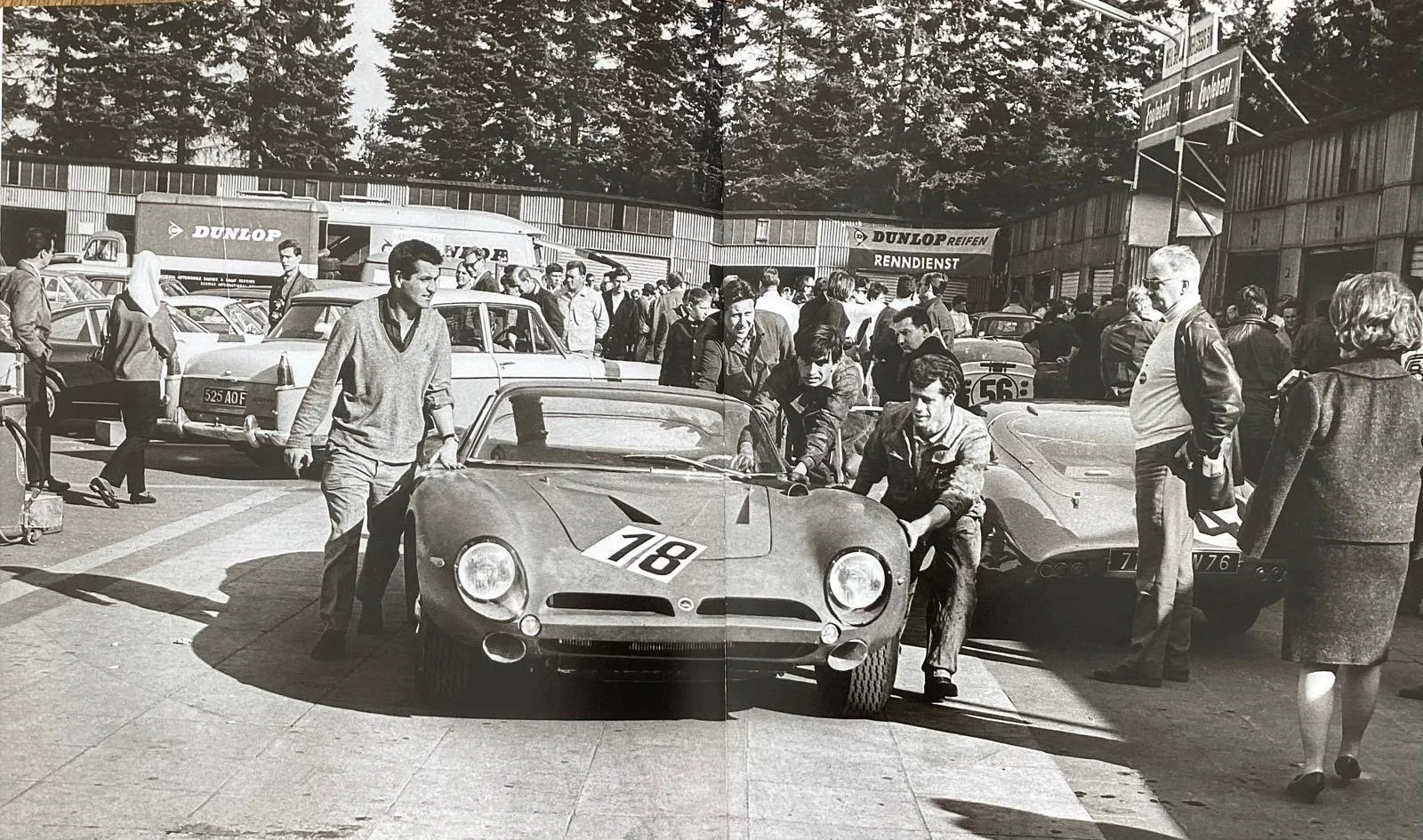
Cited by historians as having raced in the 1965 Nurburgring 1000km, Reims 12 Hour and Zeltweg 200 Mile events.
Restored by period Bizzarrini figure Salvatore Diomante having spent over 40 years in his possession.
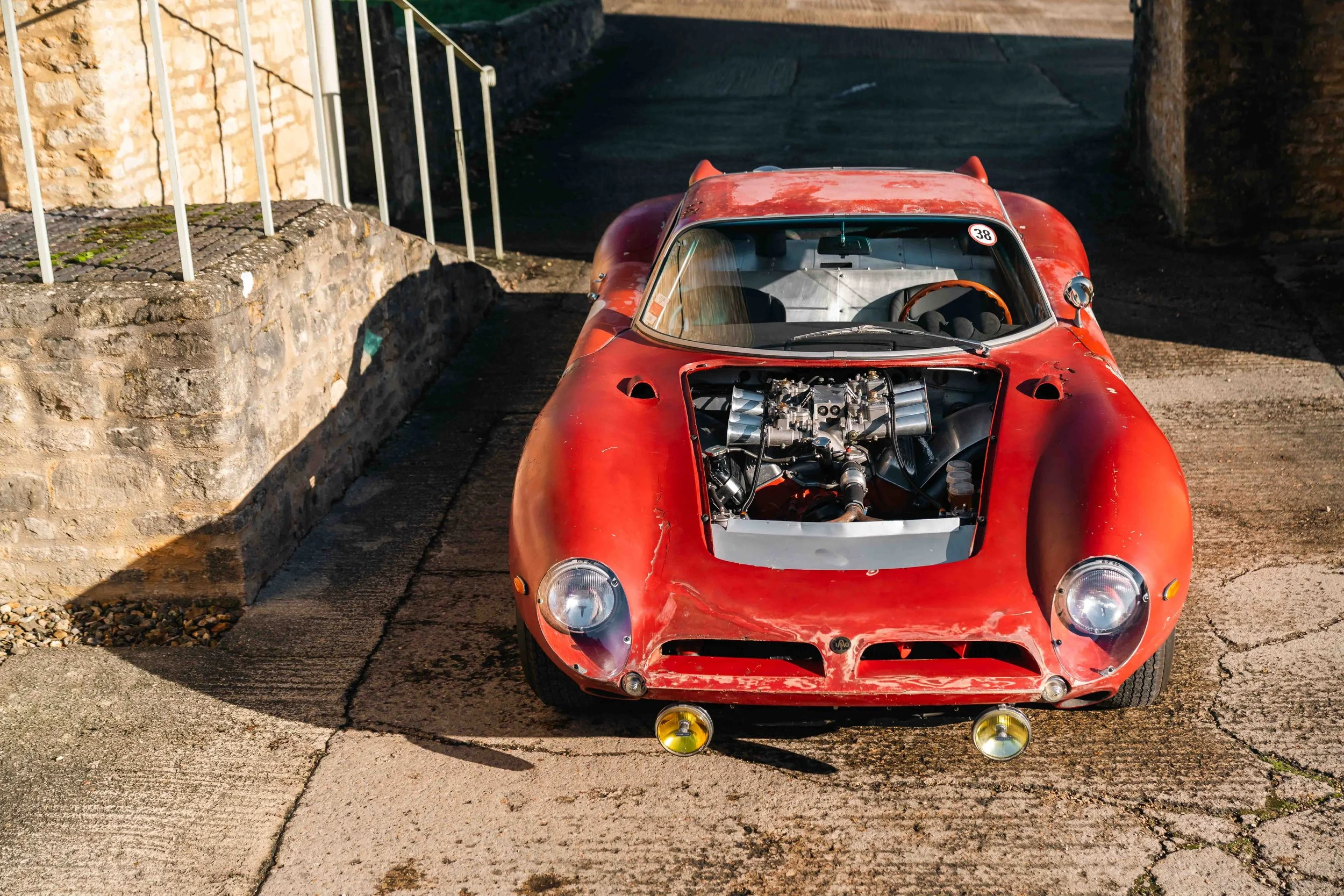
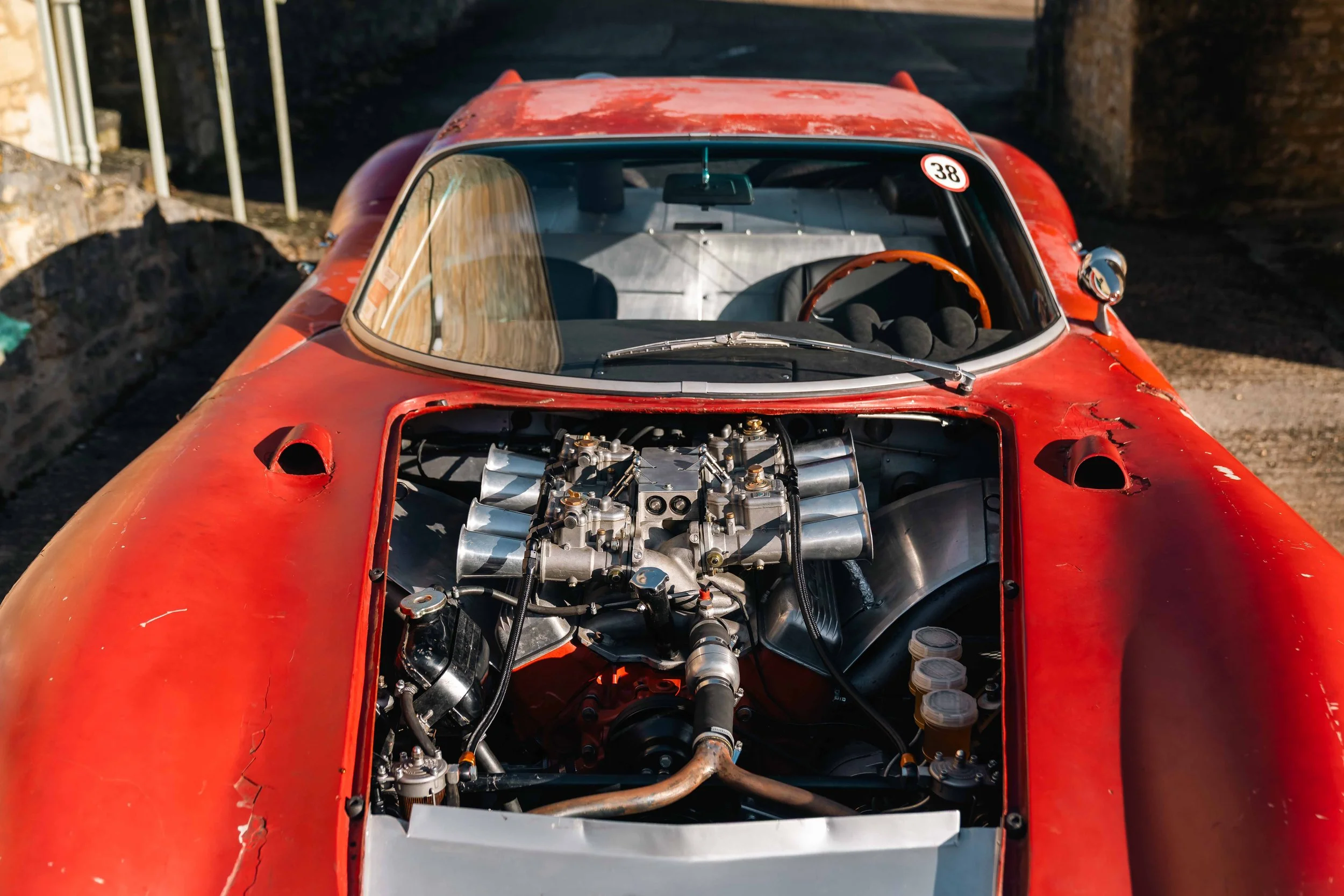
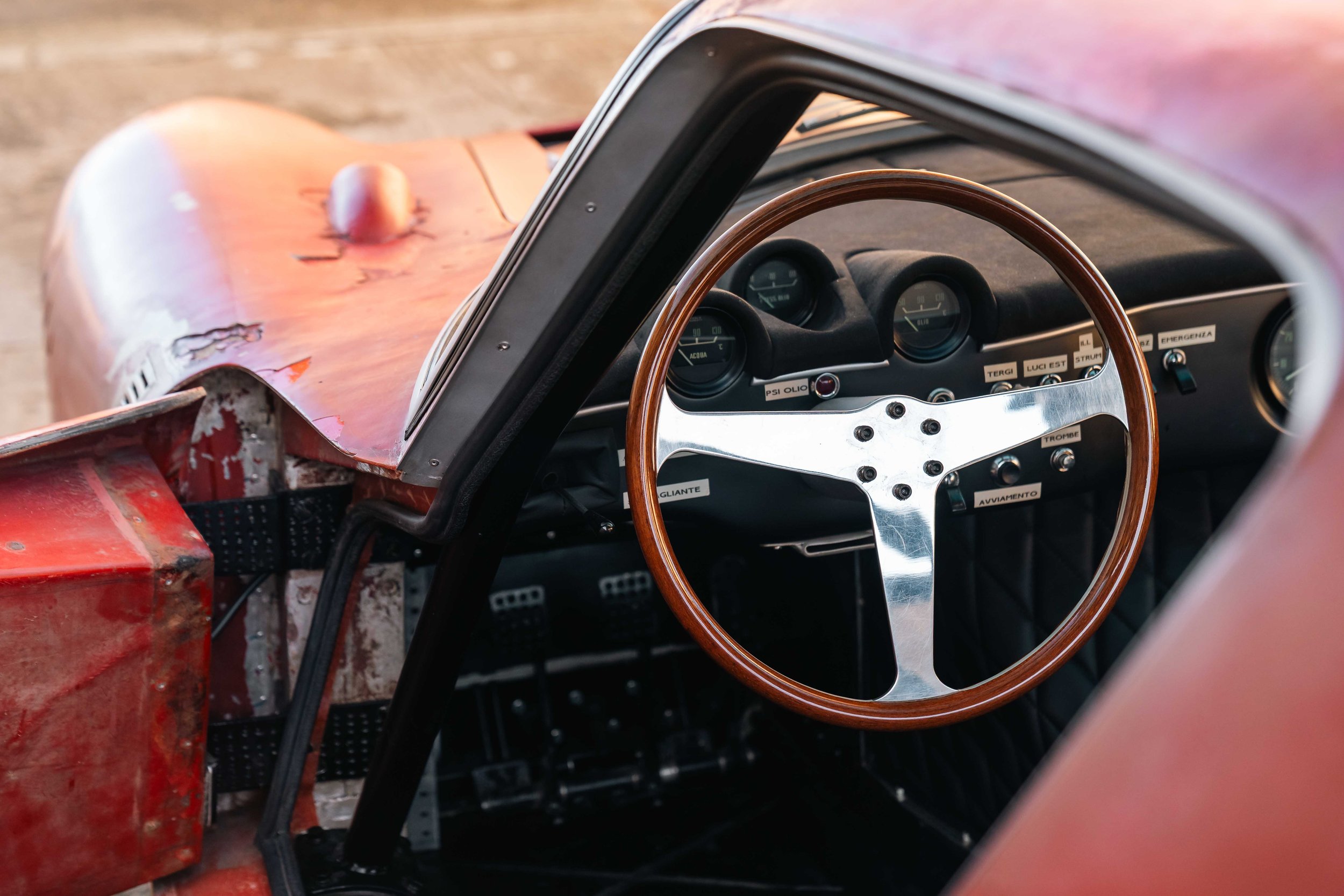
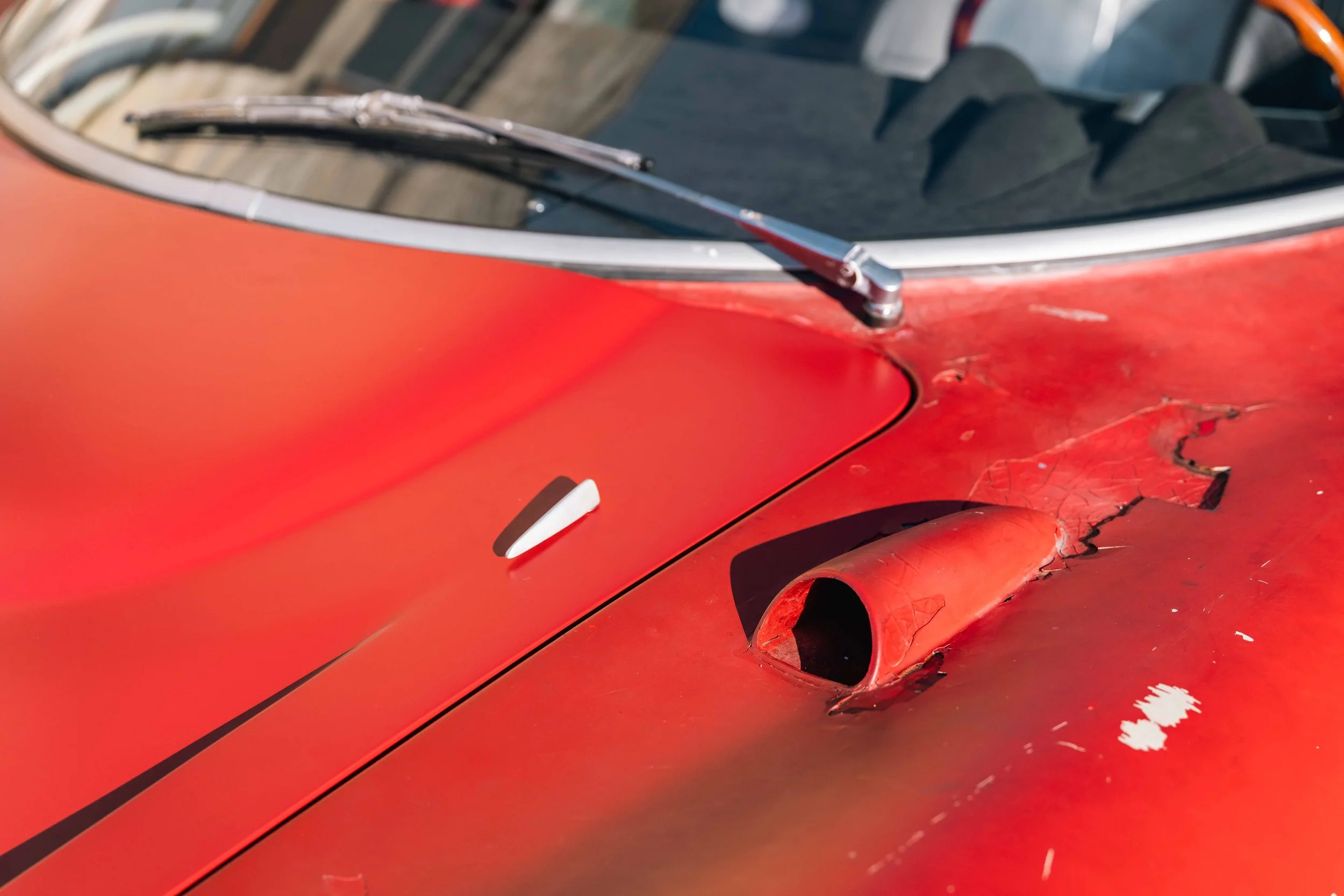
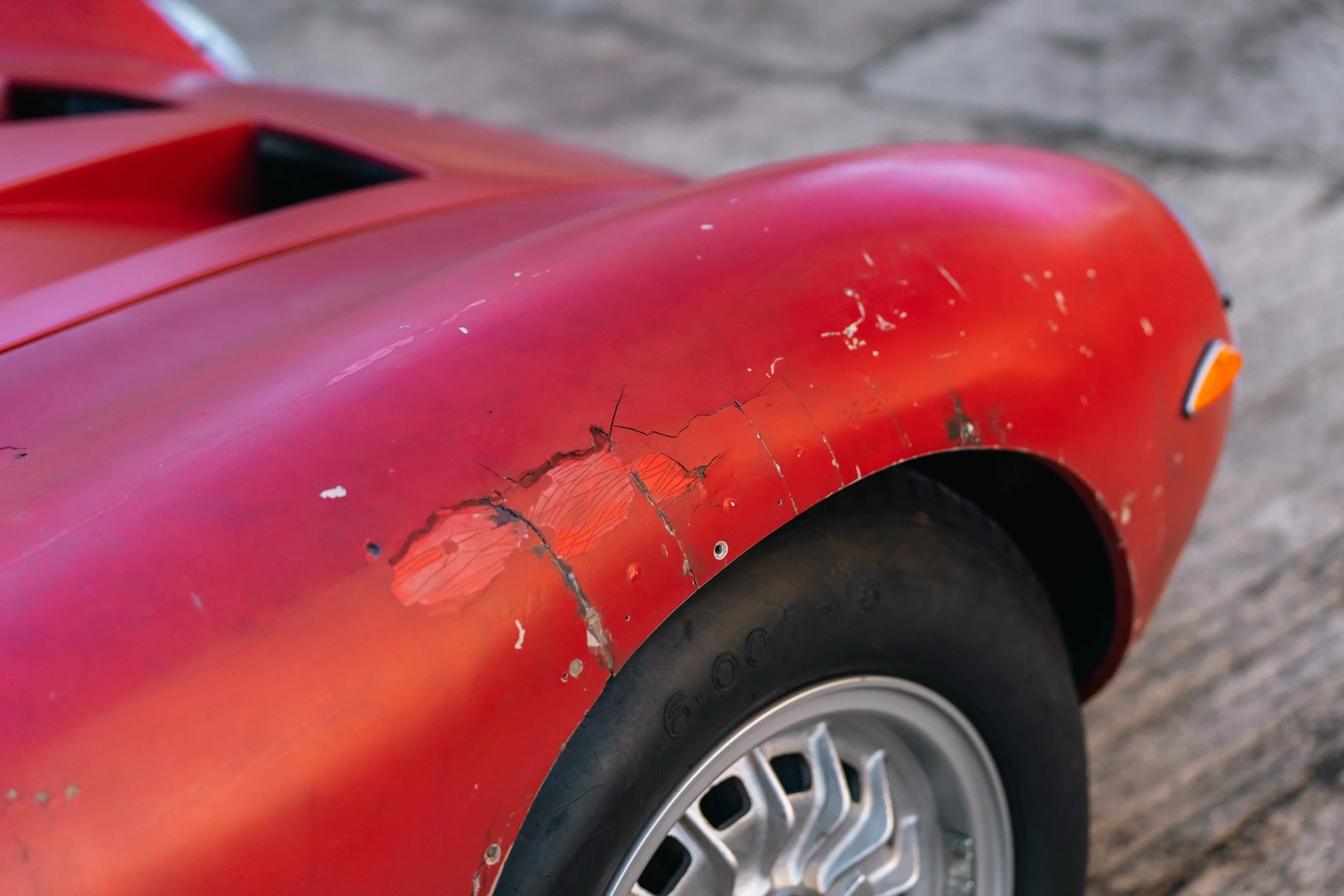
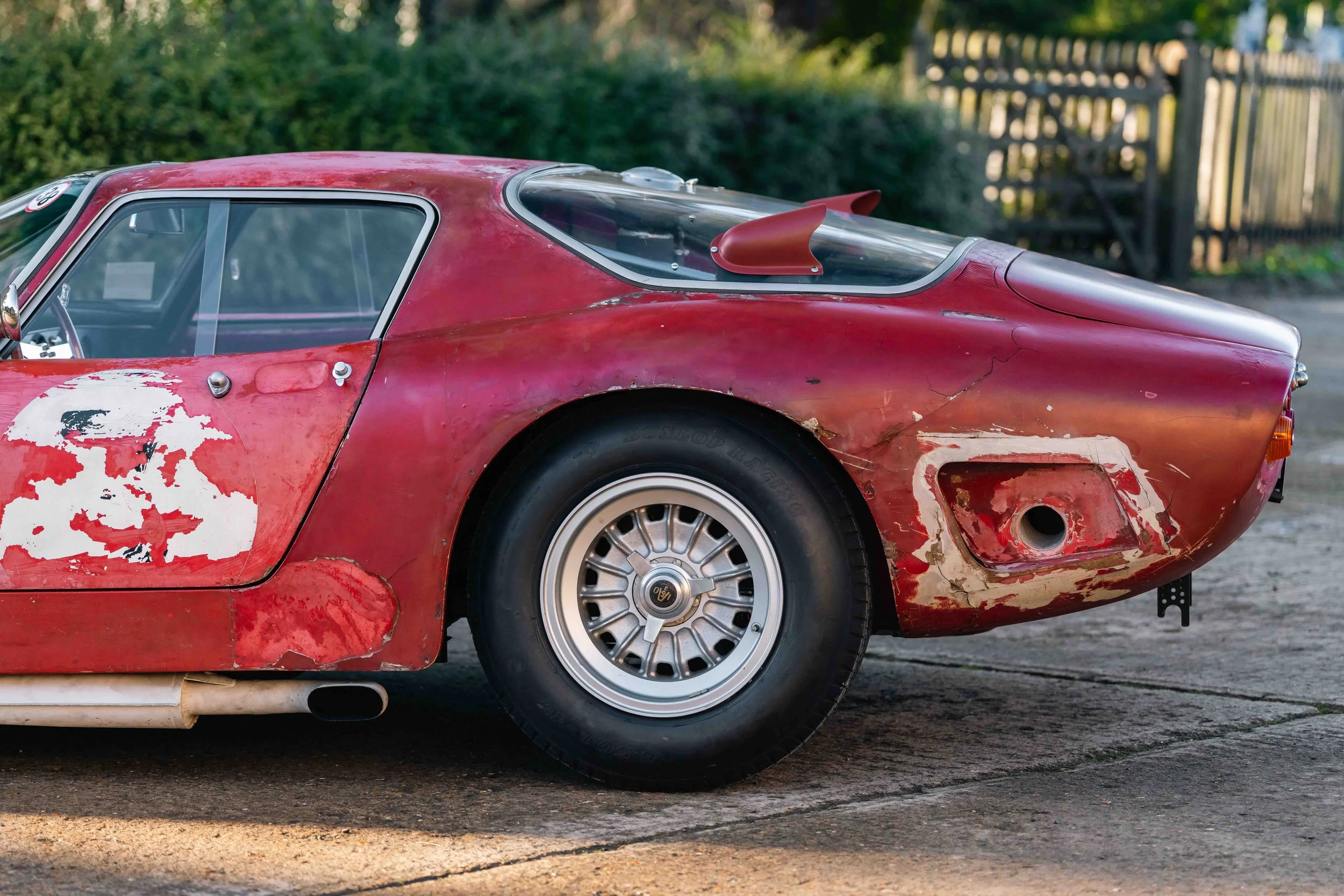
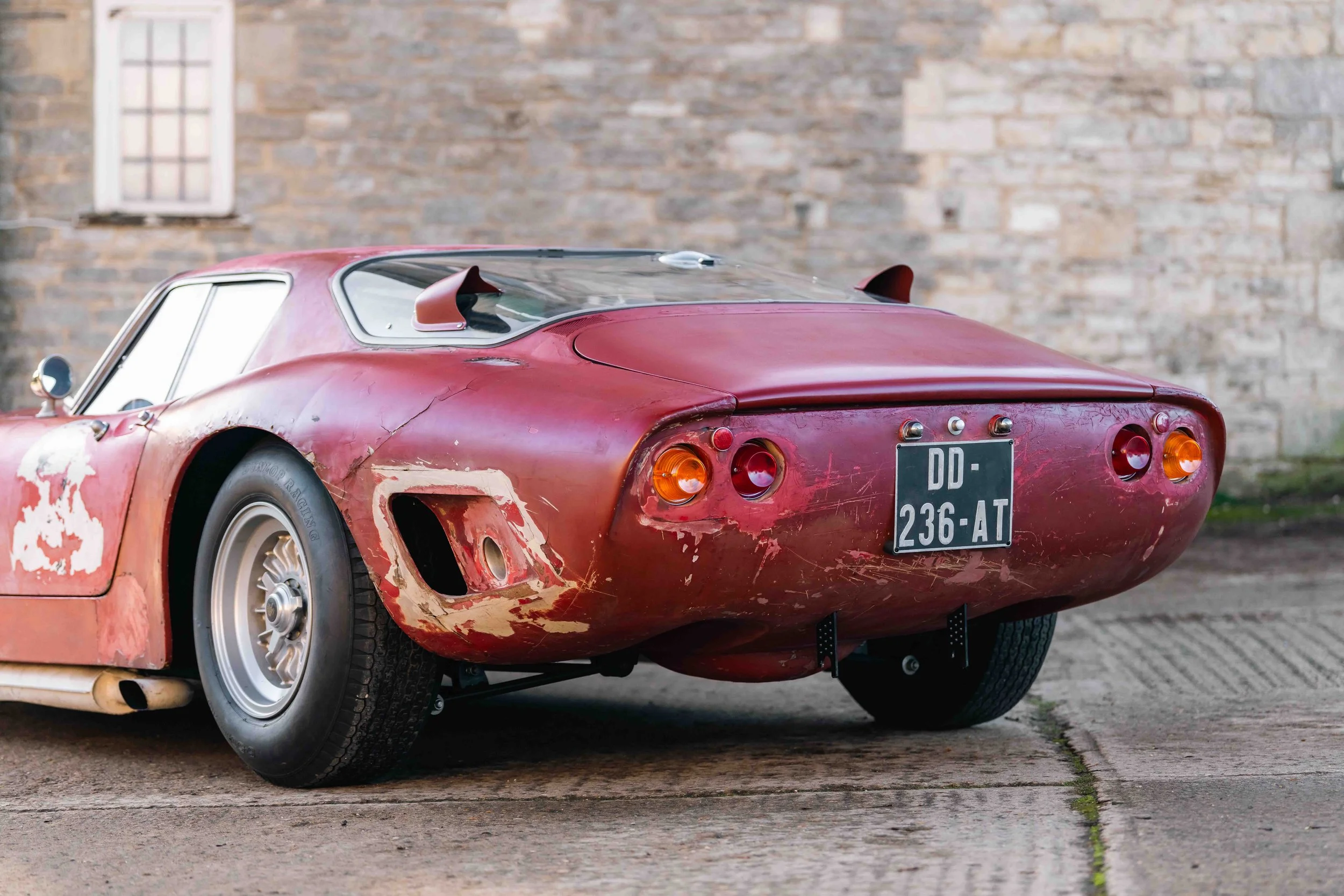
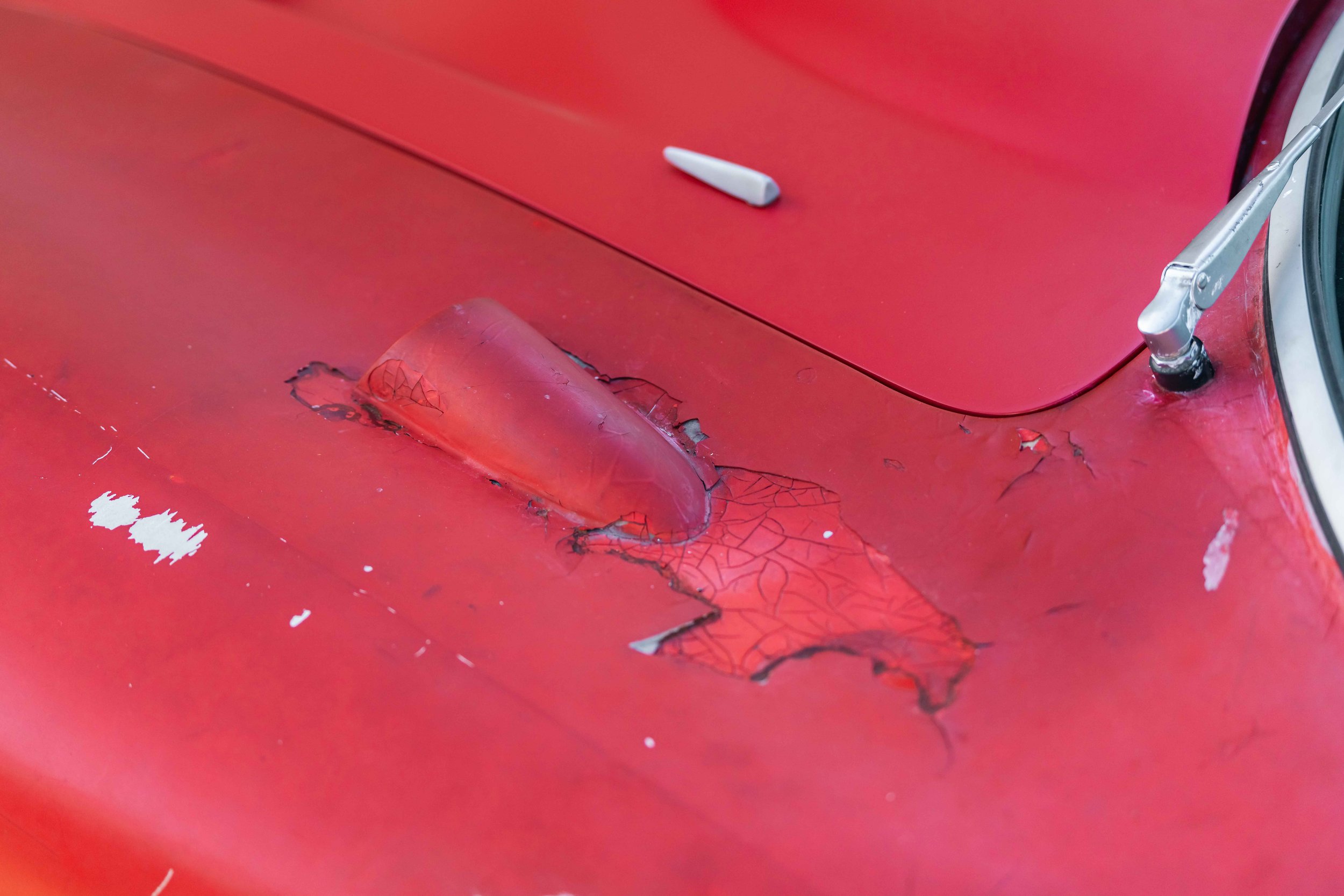
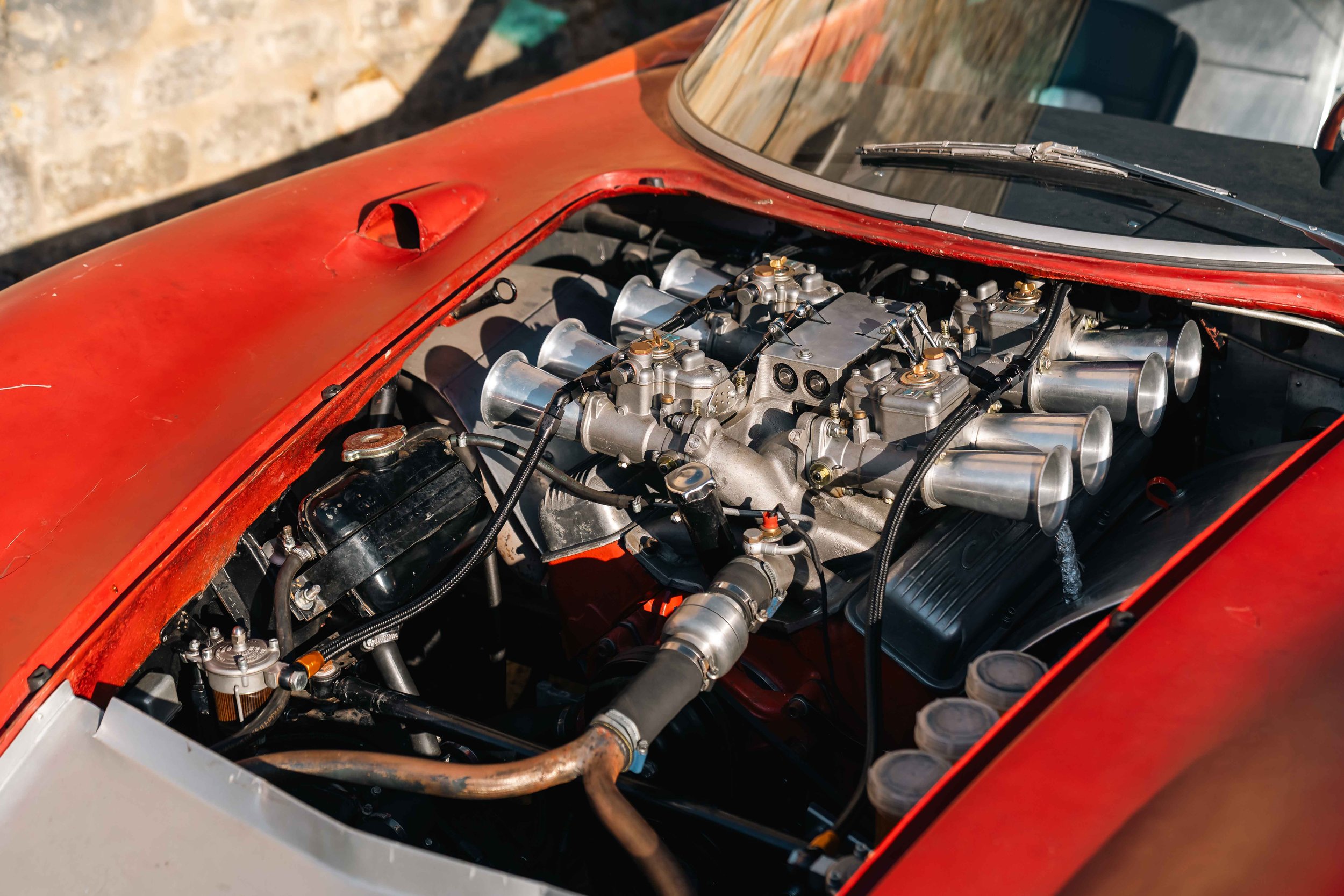
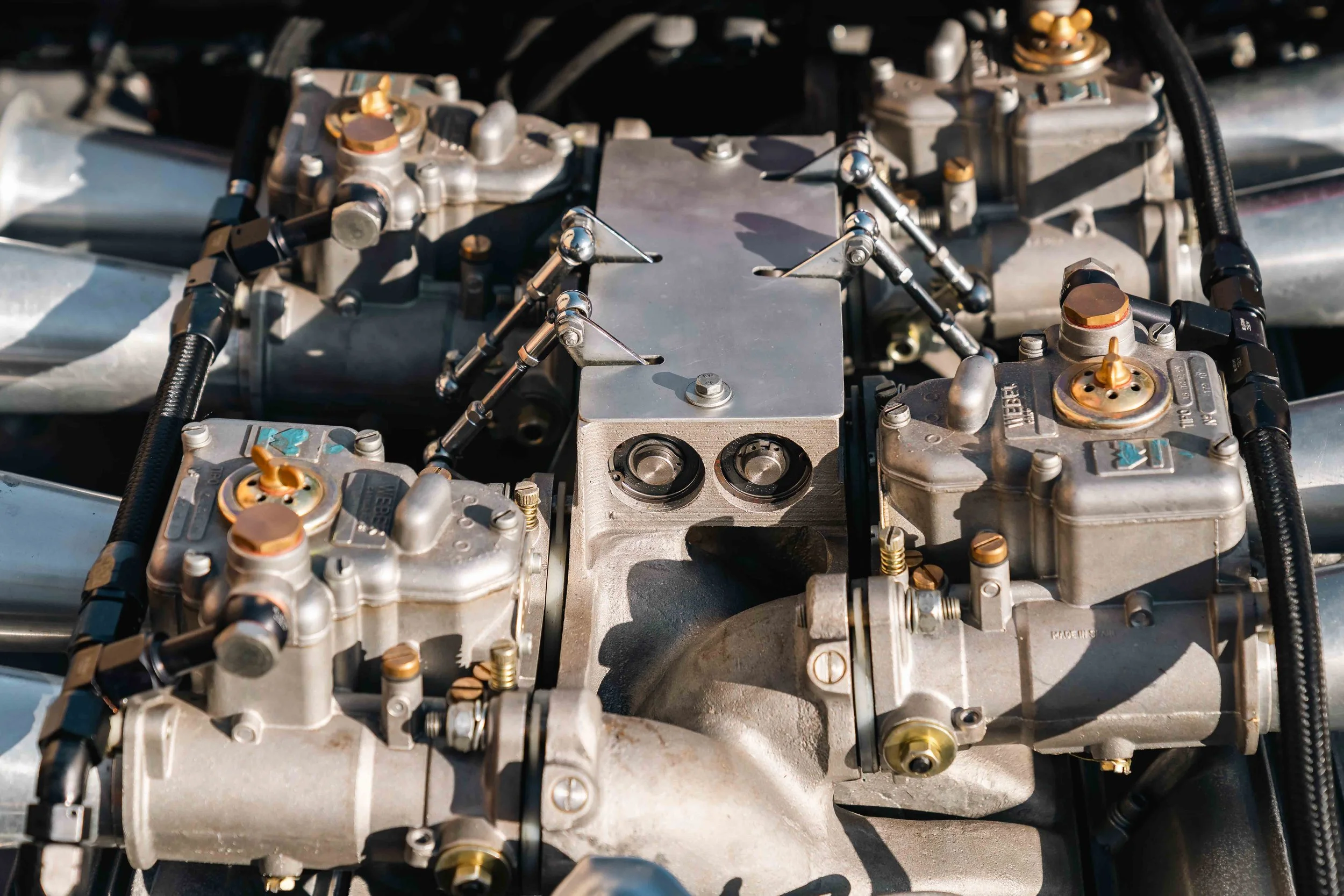
Retaining its original layers of paint on the exterior while having been mechanically restored and benefitting from a Mathwall Engineering 400bhp V8 engine.
An incredibly rare and special ultra low-volume icon, pairing Italian design flair with American power thanks to the potent 5.4 litre Chevrolet V8.
A unique proposition for competition or as a centre point for the most distinguished of collections.
Price: £POA
Chassis Number: B-0226
Giotto Bizzarrini’s Vision
By the time he became involved with the Iso Grifo competition programme, Giotto Bizzarrini had already established himself as one of Italy’s most capable engineers. Having joined Ferrari in the late 1950s as a test driver, he was quickly promoted to head of experimental, Sports and GT car development and was instrumental in the development of legendary models including the 250 GT SWB and the all-time-great 250 GTO.
A few years after his departure from Ferrari following the ‘Great Walkout’ of 1961, Bizzarrini joined Iso Rivolta, whose Grifo project combined American V8 power with an advanced chassis and a sleek bodywork designed by Bertone’s Giorgetto Giugiaro. Although the Iso Grifo A3/L was intended as a road-going GT, Bizzarrini concentrated on the A3/C competition variant, which was initially homologated with aluminium bodywork and a live rear axle.
The A3/C’s development culminated with a pair of hugely significant works competition cars: chassis B-0222 and B-0226. Built as factory development machines rather than to be sold to customers, they incorporated significant departures from standard A3/C specification. Aluminium body panels were replaced with lighter fibreglass, delivering meaningful weight savings. Of greater technical significance was the adoption of independent rear suspension.
While many front-engined GT competitors continued to rely on live rear axles, Bizzarrini recognised the advantages of improved wheel control, traction, and high-speed stability – qualities essential for endurance racing. Like the road car, power came from a 5.4-litre Chevrolet small-block V8, extensively developed and mounted well back in the chassis – making the car front-mid-engined – to optimise weight distribution.
With two of the existing works aluminium competition cars suffering heavy accidents at Sebring in March, the need for the new design’s completion was put into focus and the first was duly completed, while the old ’64 works car, B-0207, was kept in action while the second was being finished.
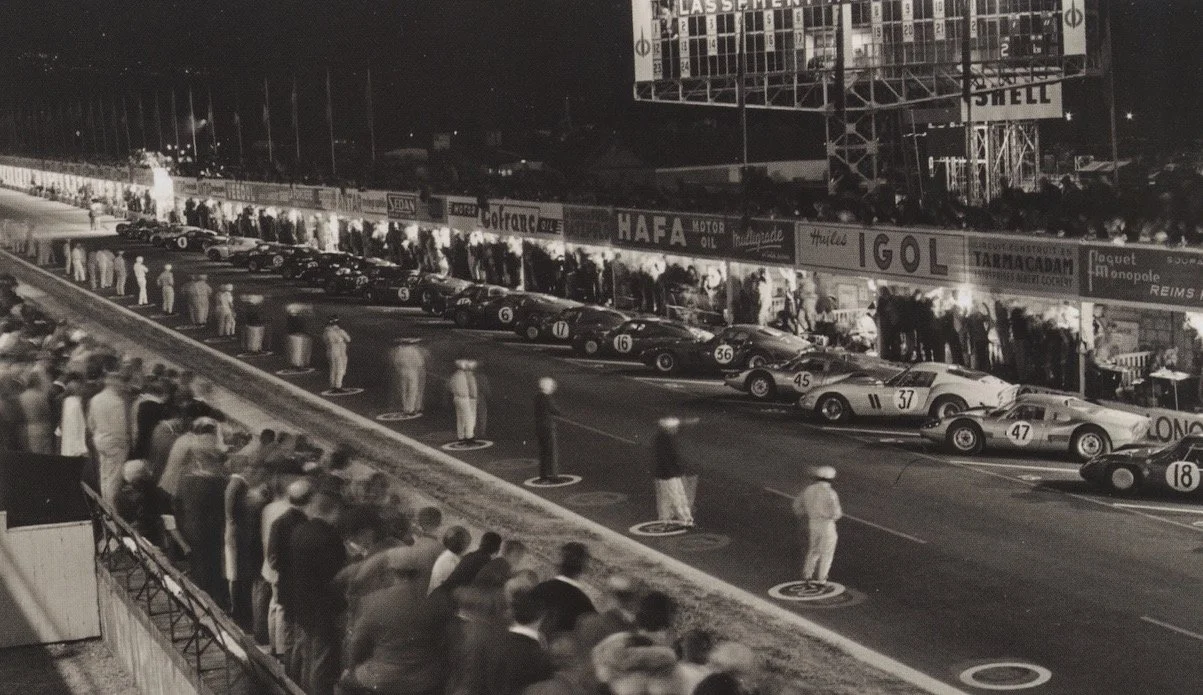
Both of the new wide bodied, fibreglass, IRS cars were campaigned selectively during the 1965 season, appearing at races including the 24 Hours of Le Mans and the Nürburgring 1000 km. The high point of the Iso Grifo A3/C competition programme and comfortably its most significant international success came at Le Mans, when chassis B-0222 finished first in class and ninth overall in the hands of French duo Jean de Mortemart and Régis Fraissinet.
The two fibreglass IRS cars final outing came in August, at the 200 mile Zeltweg race, where Chris Amon drove B-0222 to an impressive fourth place, whilst B-0226 finished seventh, driven by Bob Bondurant.
Despite this promise, tensions had been developing behind the scenes. The A3/C programme had been funded entirely at the expense of Renzo Rivolta, yet an increasing number of competition entries appeared under the Bizzarrini Prototipo name, and most A3/Cs carried Bizzarrini badging. Matters were further complicated when it emerged that Bizzarrini had registered the Grifo trademark in his own name.
These issues came to a head in late summer 1965, when Rivolta terminated his association with Bizzarrini. Under the terms of the subsequent settlement, Bizzarrini relinquished the Grifo trademark in exchange for sole production rights to the A3/C design, together with a substantial stock of components. With responsibility for an expensive international racing programme now resting entirely with him, Bizzarrini primarily redirected his efforts toward limited-series road-car production, with the cars being sold as the Bizzarrini 5300 GT.

This Car
When Giotto Bizzarrini eventually wound up his operation, and while the brand name was purchased and taken in one direction, it was Salvatore Diomante who bought most of the equipment, stock of parts and abandoned projects. One of those projects was this car, with chassis number B-0226.
As can be seen from early photos from Diomante’s archive, an early effort to revive the old war horse had been started in what was probably the early 1970s, but did not ever progress beyond some body works which involved removing the rear wheel arch covers and making repairs.
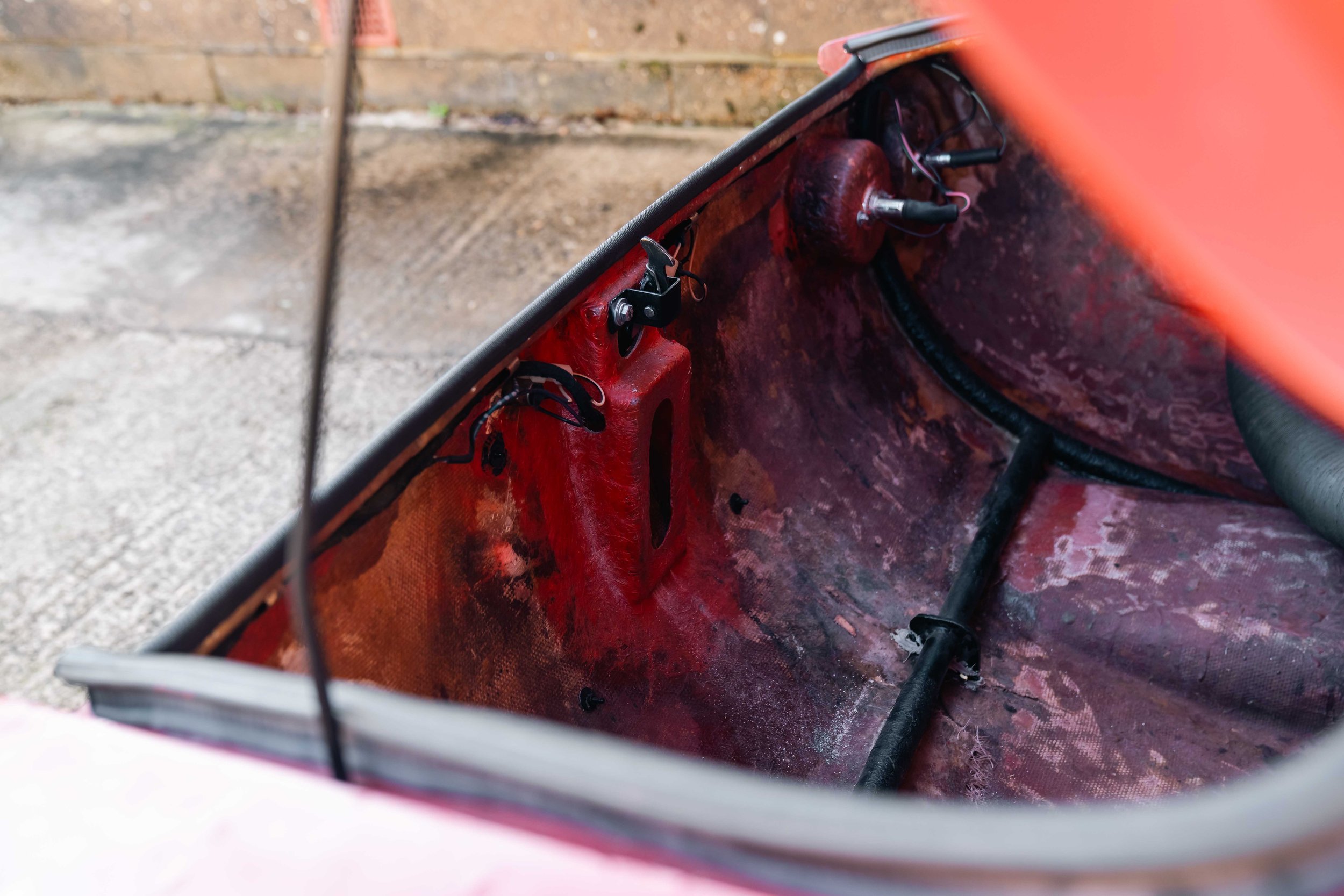
The car would then remain in this state with Diomante for around 40 years until he was encouraged to do something about the languishing relic. The project was restarted, and it was taken down to a bare chassis. Repairs were made to rectify the Zeltweg damage and make it sound again, and great focus was put on preserving the original, battle damaged body.
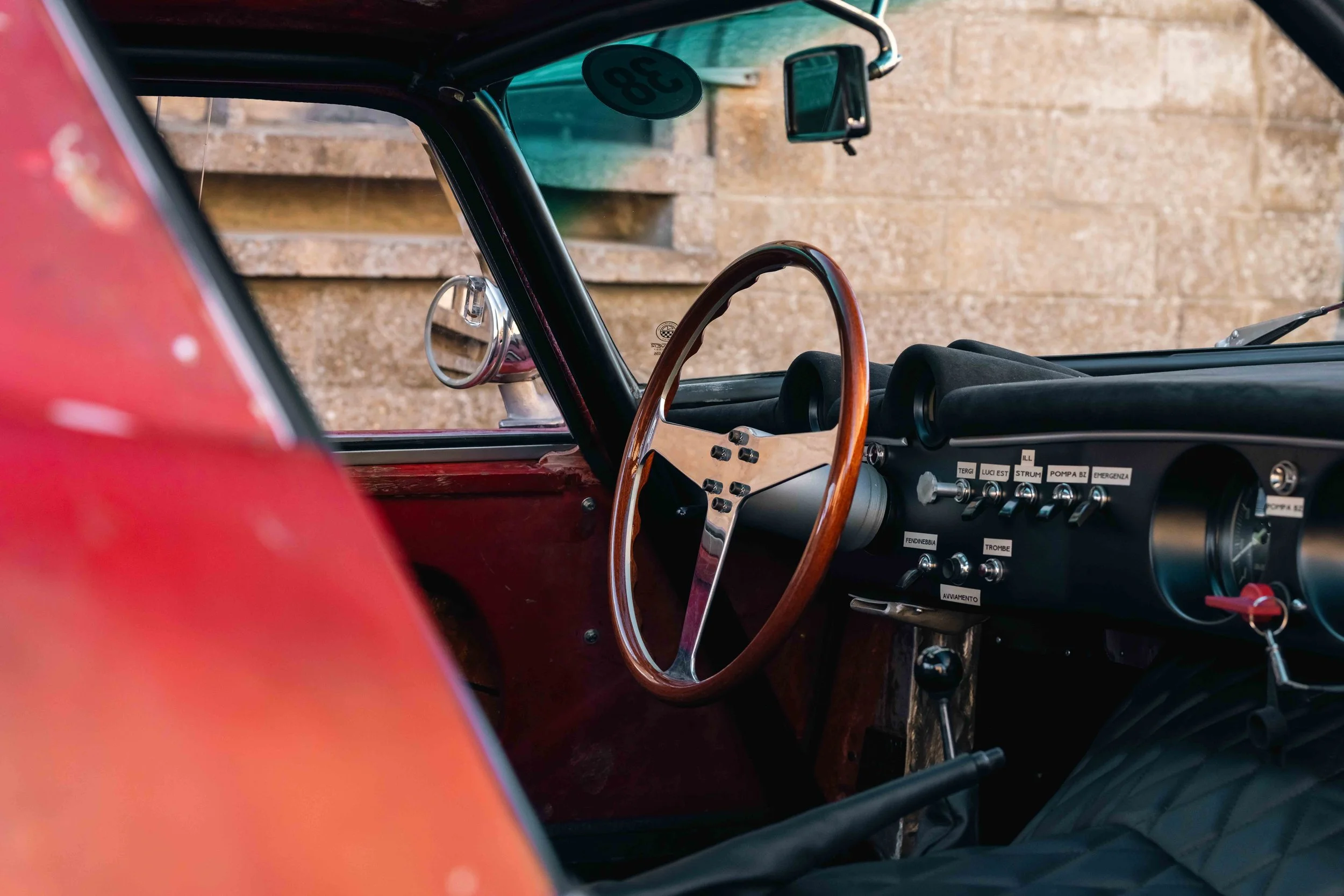
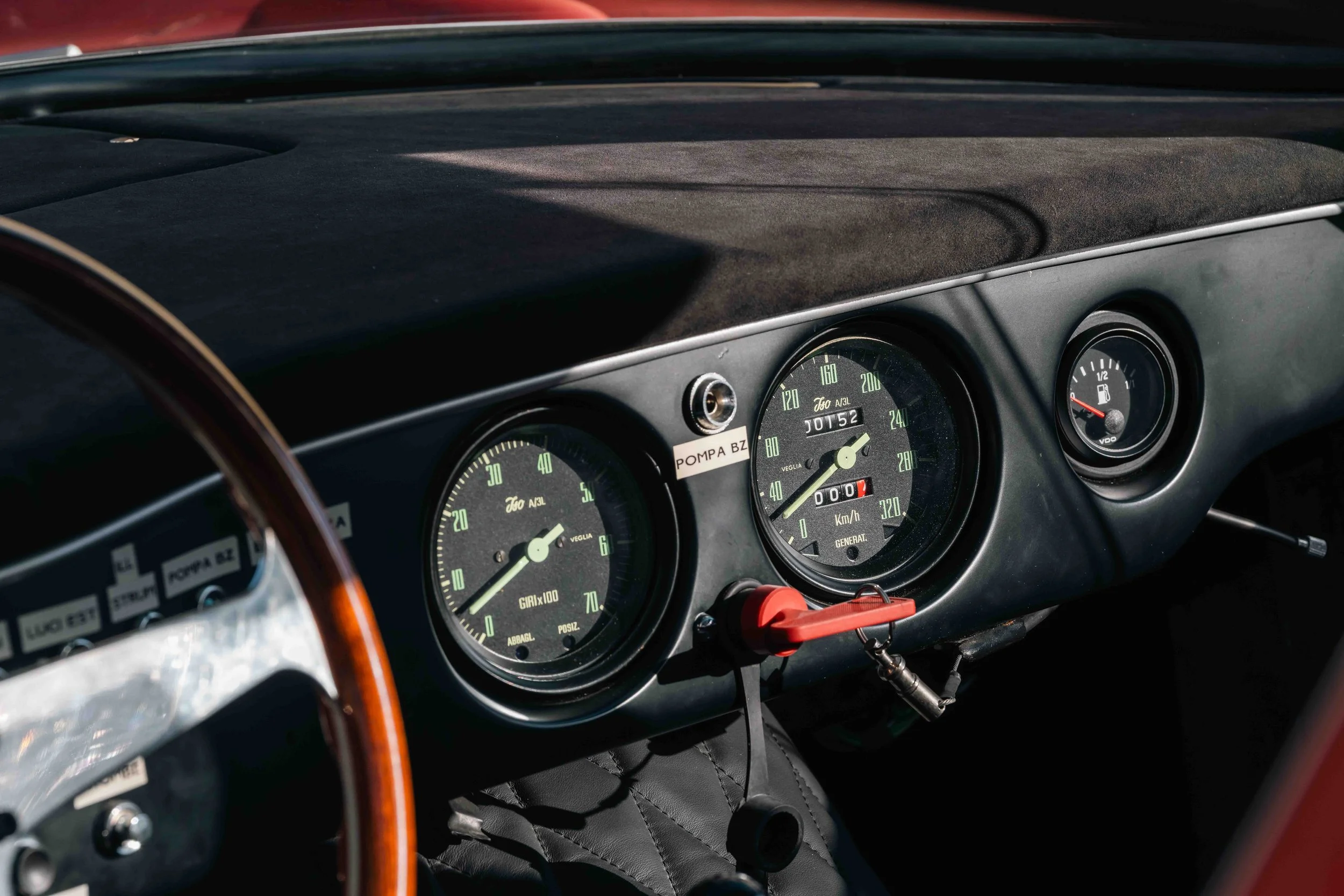
Eventually, the restoration came to fruition in Diomante’s workshop and was completed with a 5.4-litre Mathwall Engineering built Chevrolet V8 engine ahead of the 2016 Chantilly Concours of Elegance, where it was shown with the original paint preserved on its fibreglass wide body.
In 2019, B-0226 was bought by the current owner and some light preparation was undertaken by the Jordan Racing Team. Since then, B-0226 has remained little seen while being within the current owner’s collection.
Now available, B-0226 is unique in being heralded as the only competition Iso Grifo or Bizzarini to retain its layers of original paint, and one of only two wide bodied fibreglass cars with independent rear suspension from the 1965 works racing campaign, just before the now important pre-1966 cut-off in historic racing.
Technologically advanced and a fearsome combination of Italian flair and near-centrally mounted American V8 muscle, B-0226 is eligible for some of the most sought-after events worldwide and a centrepiece for any discerning collection with Italian influence or competition passion.
Get in touch to find out more
Please feel free to get in touch and I’ll be happy to discuss the car with you.
Either fill in the form to the right or call on 0044 (0) 7535 148 470.