



The Ex - David Good
1968 Chevron B8 BMW
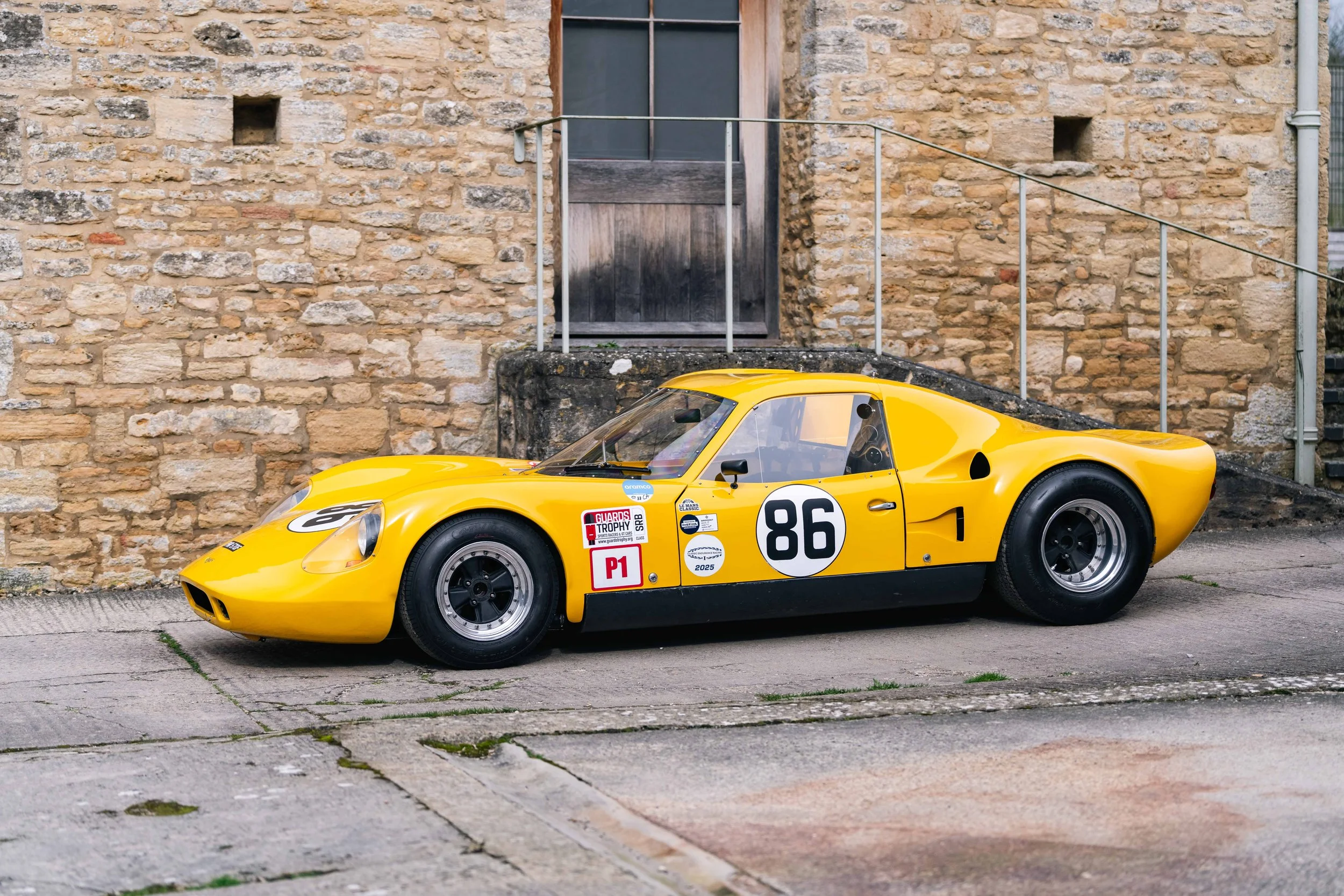
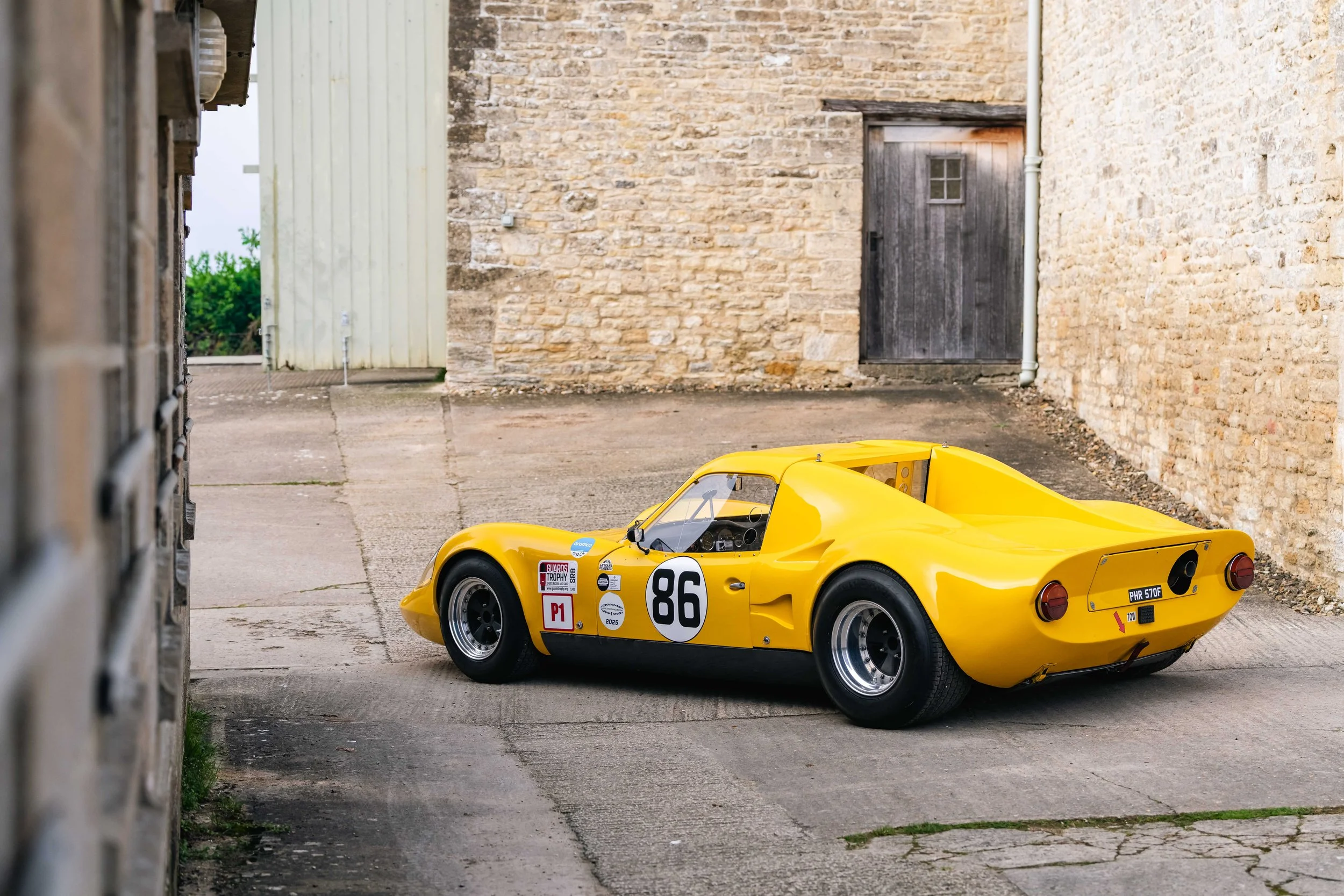
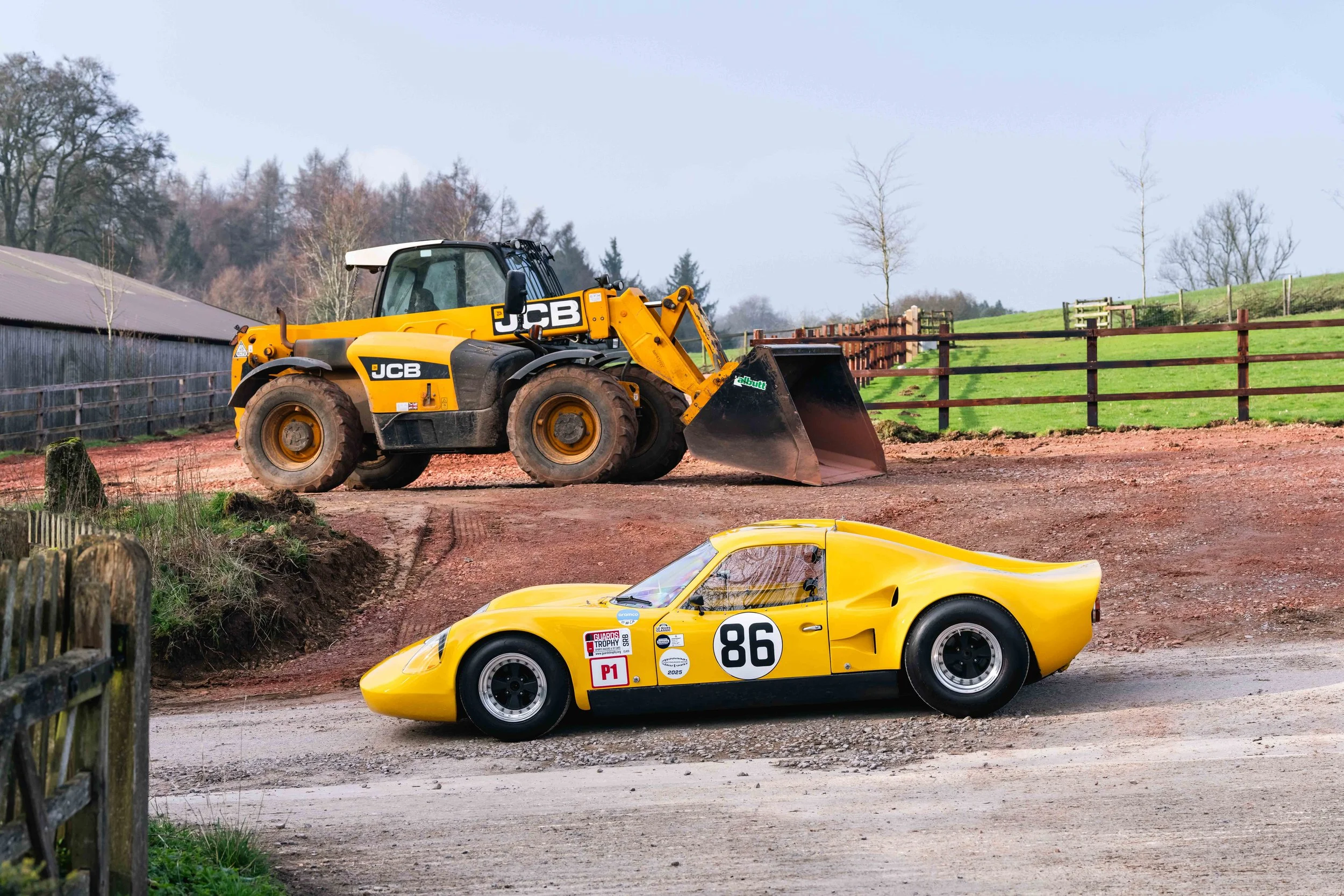
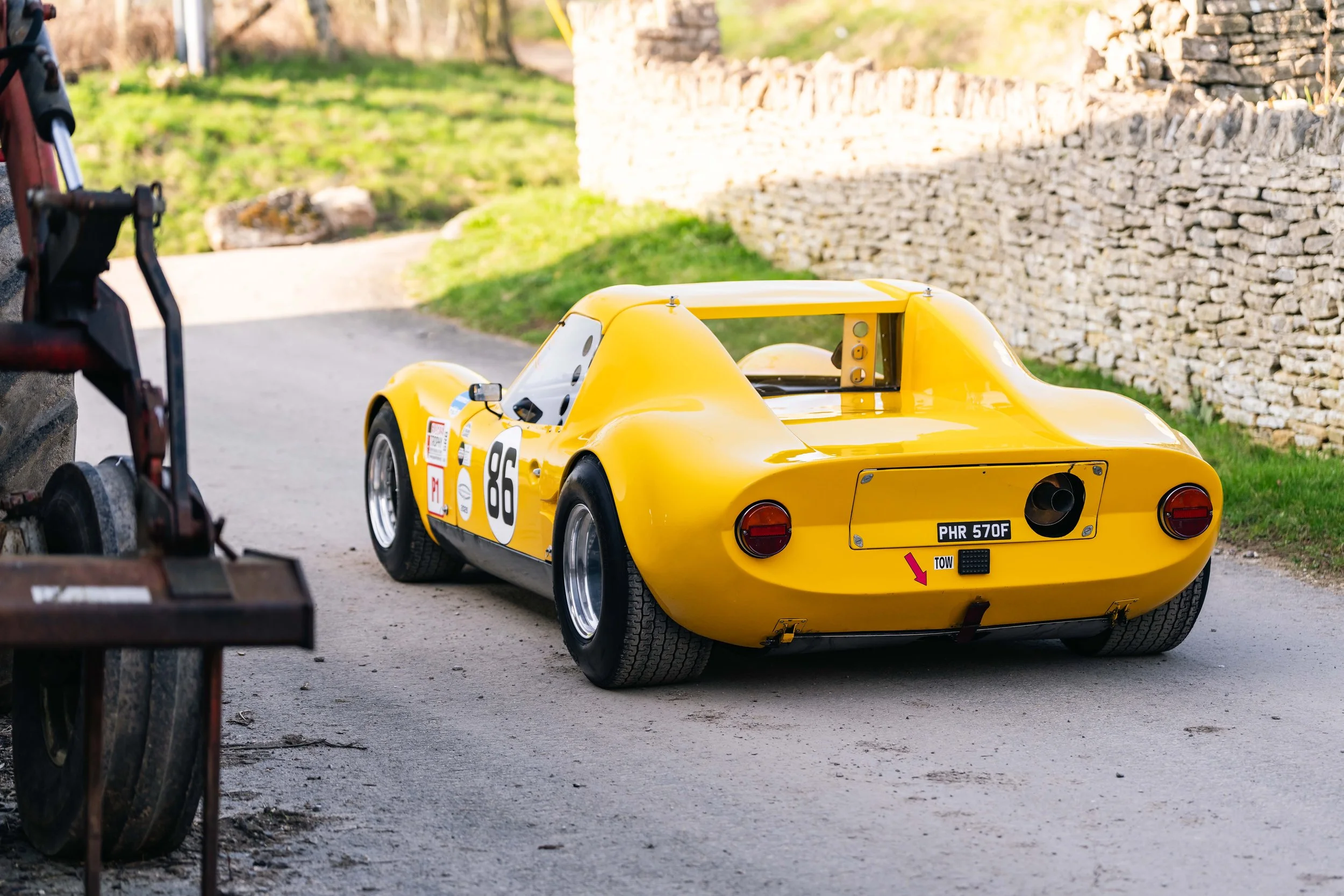
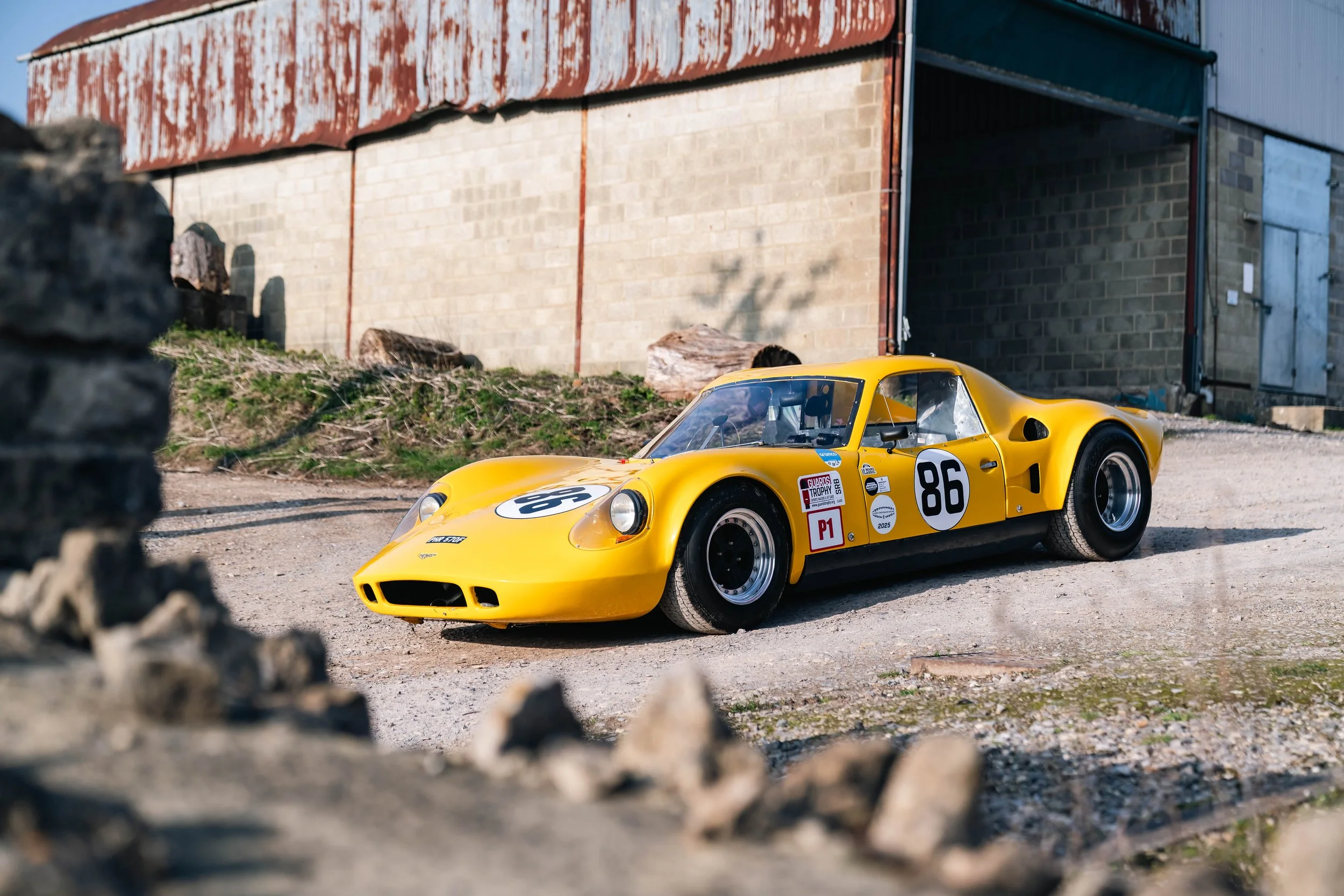
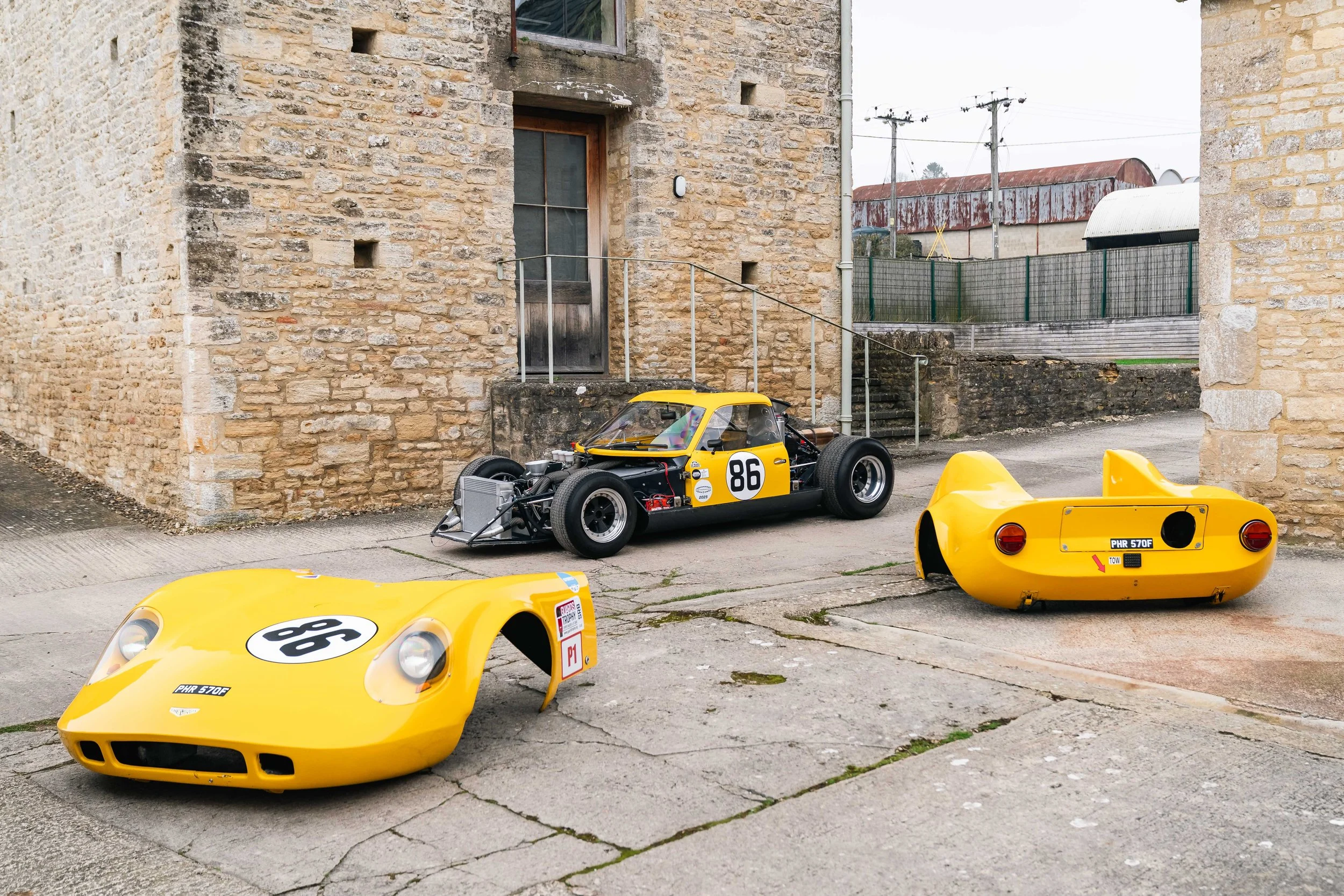
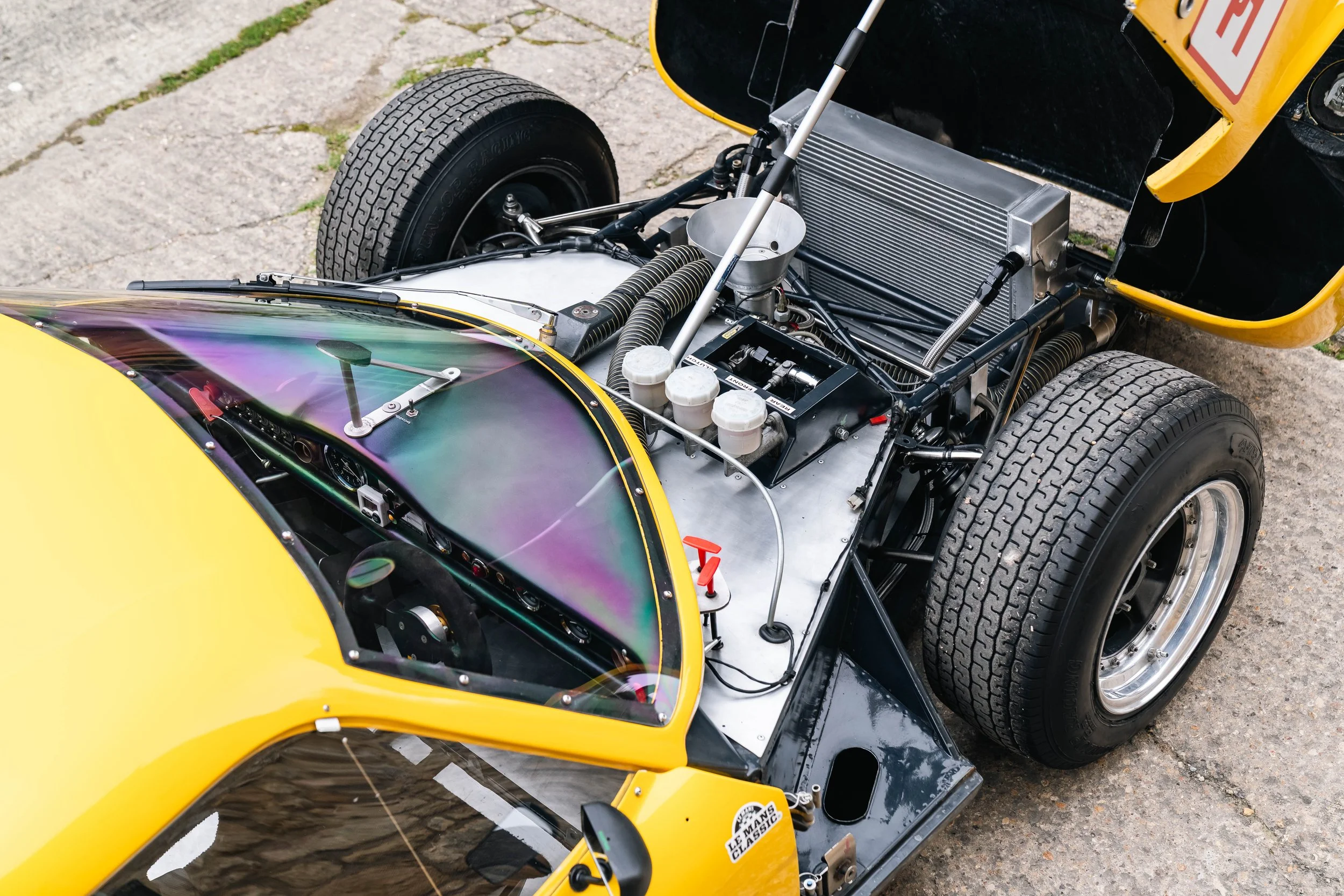
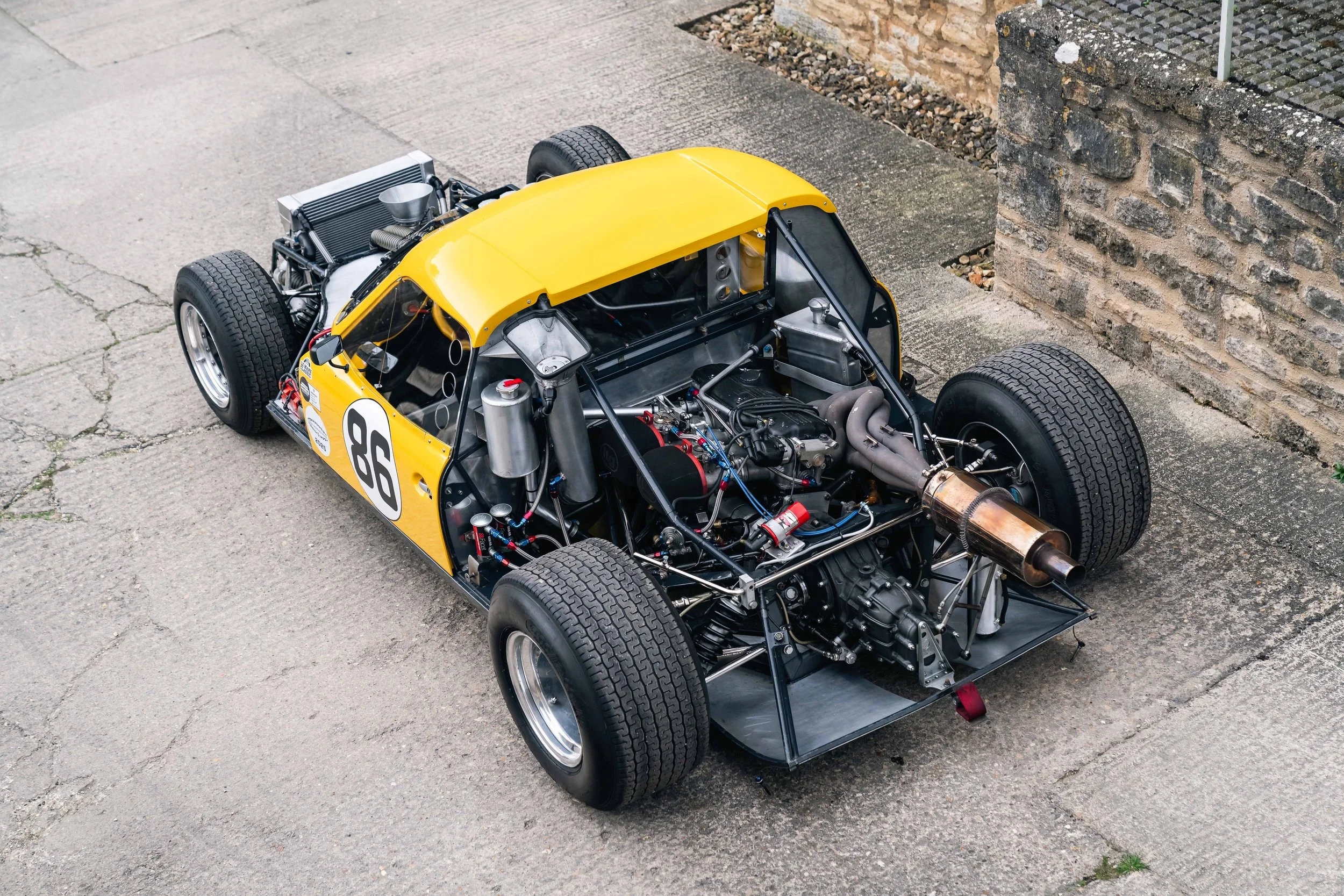
A wonderful example of Chevron’s much-loved B8 sports car, supplied new to David Good in 1968 and hillclimbed by him around the UK.
Subsequently hillclimbed and circuit raced by Peter Lawson, reigning British Hillclimb Champion at that time.
Having passed through Italy and South Africa, CH-DBE-38 returned to the UK in 2004 and was restored by Simon Leighton to race, and subsequently achieved much success in the hands of Nick Fleming.
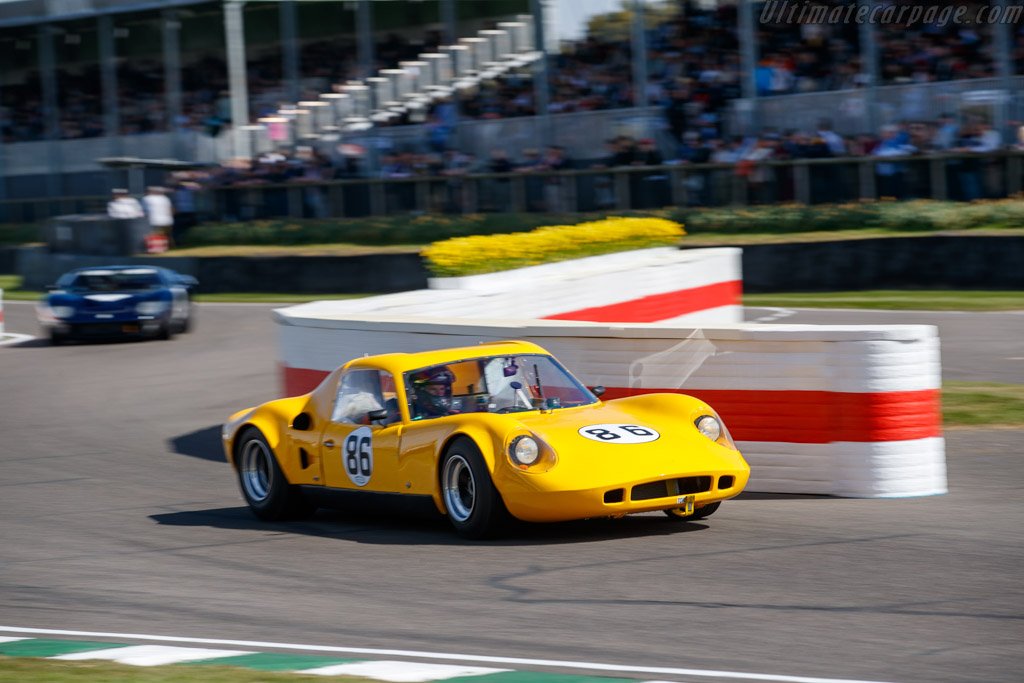
Raced in the current ownership at the Le Mans Classic and Goodwood Members’ Meeting along with in Peter Auto CER 1 and the HSCC Guards Trophy.
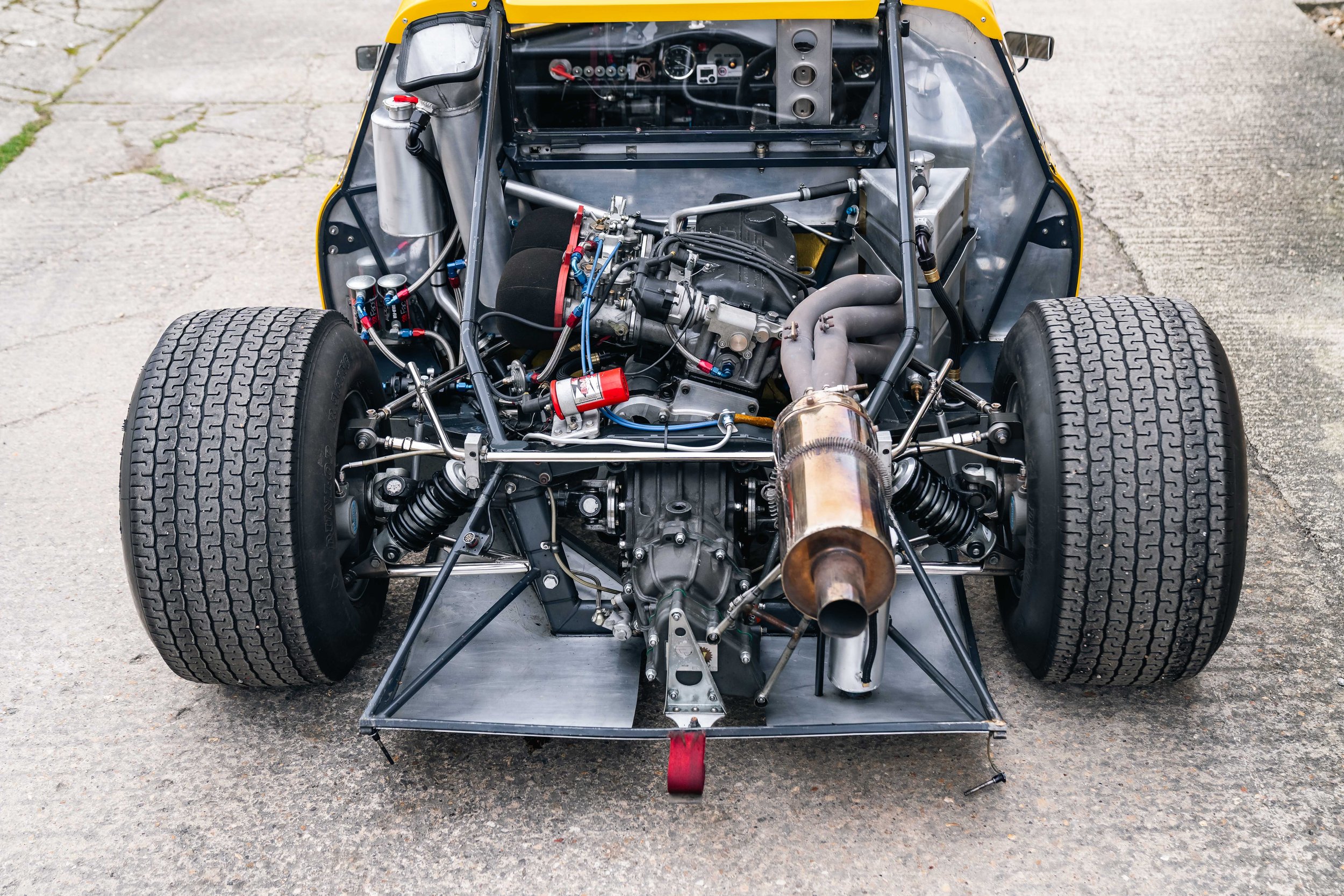
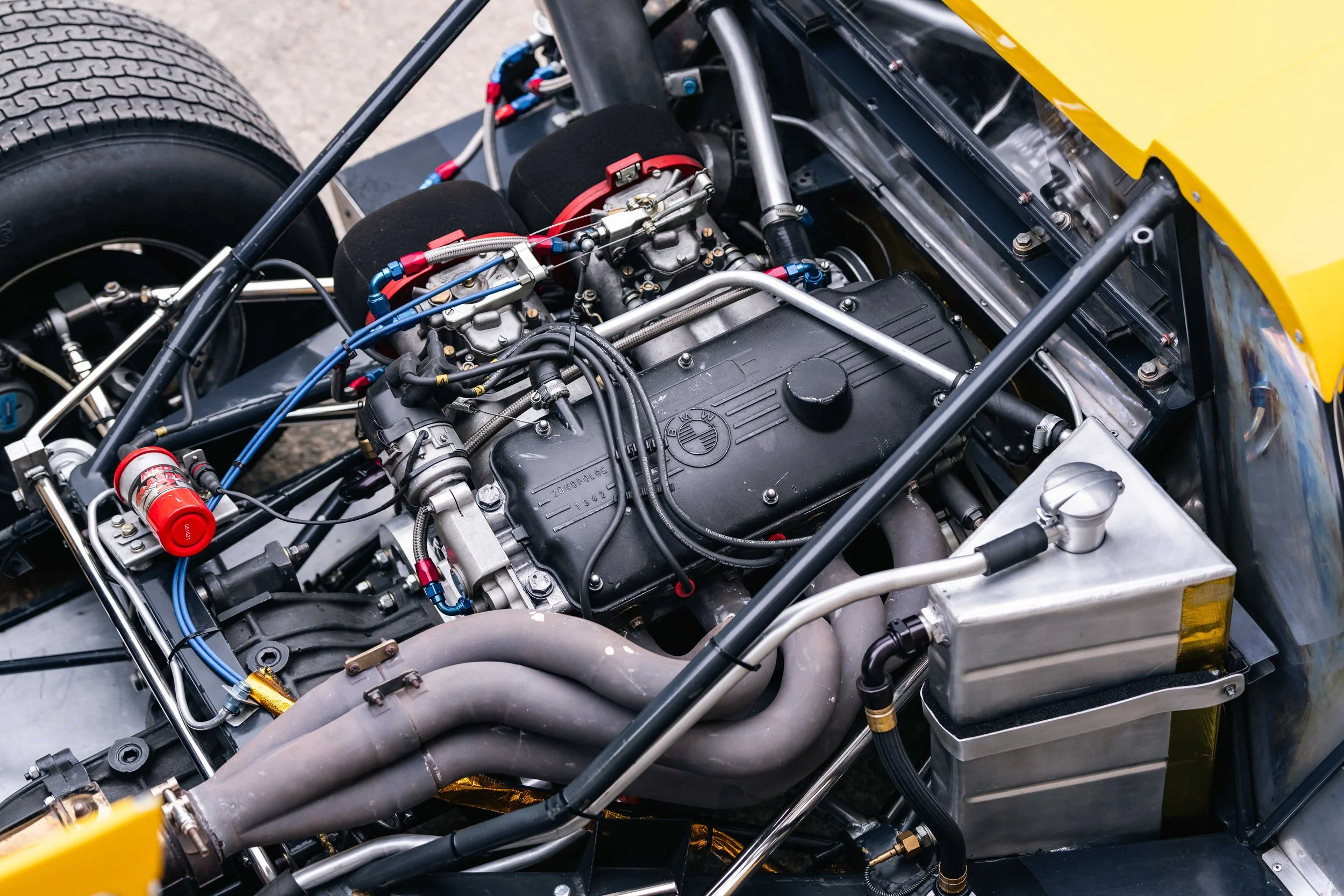
Prepared by Pace Products with engine and gearbox rebuilds in 2025. Accompanied by OldRacingCars.com historical dossier, FIA HTPs valid to 2032 and current UK road registration.
Eligible for some of the greatest events worldwide along with a plethora of vibrant race series, all in the robust and fast package that is the Chevron B8.


Price: £POA
Chassis Number: CH-DBE-38
Derek Bennett’s Chevron
Founded in 1965 by the quietly brilliant Derek Bennett, Chevron Cars emerged from modest beginnings in Bolton, Lancashire, yet rapidly became one of the most respected names in international sports car racing. Bennett, a gifted engineer with a racer’s instinct for balance and simplicity, had begun building competition machinery in a small garage behind his family’s engineering business. His early specials immediately impressed local drivers, and word spread quickly through Britain’s thriving club racing scene.
The first Chevrons appeared in hillclimbs and club events during the mid-1960s, their light tubular chassis and carefully-developed suspension giving them a fighting chance to challenge cars built by more established marques. Bennett’s philosophy was straightforward: to build cars that were simple, light and forgiving to drive, but engineered with the precision required to win. By the end of the decade Chevron had grown from a local garagiste into a serious manufacturer supplying customers in the UK, mainland Europe and beyond.
Sports racing prototypes quickly became the backbone of the company. Cars such as the mid-engined B6 and B8 demonstrated Bennett’s ability to extract remarkable performance from relatively modest engines, pairing nimble chassis with reliable power-plants from BMW, Ford and Coventry Climax. In the fiercely contested 2-litre prototype category, where private entrants often battled factory machinery from Porsche and Alfa Romeo, Chevron’s cars were renowned for their balance, agility and all-out user-friendly handling.
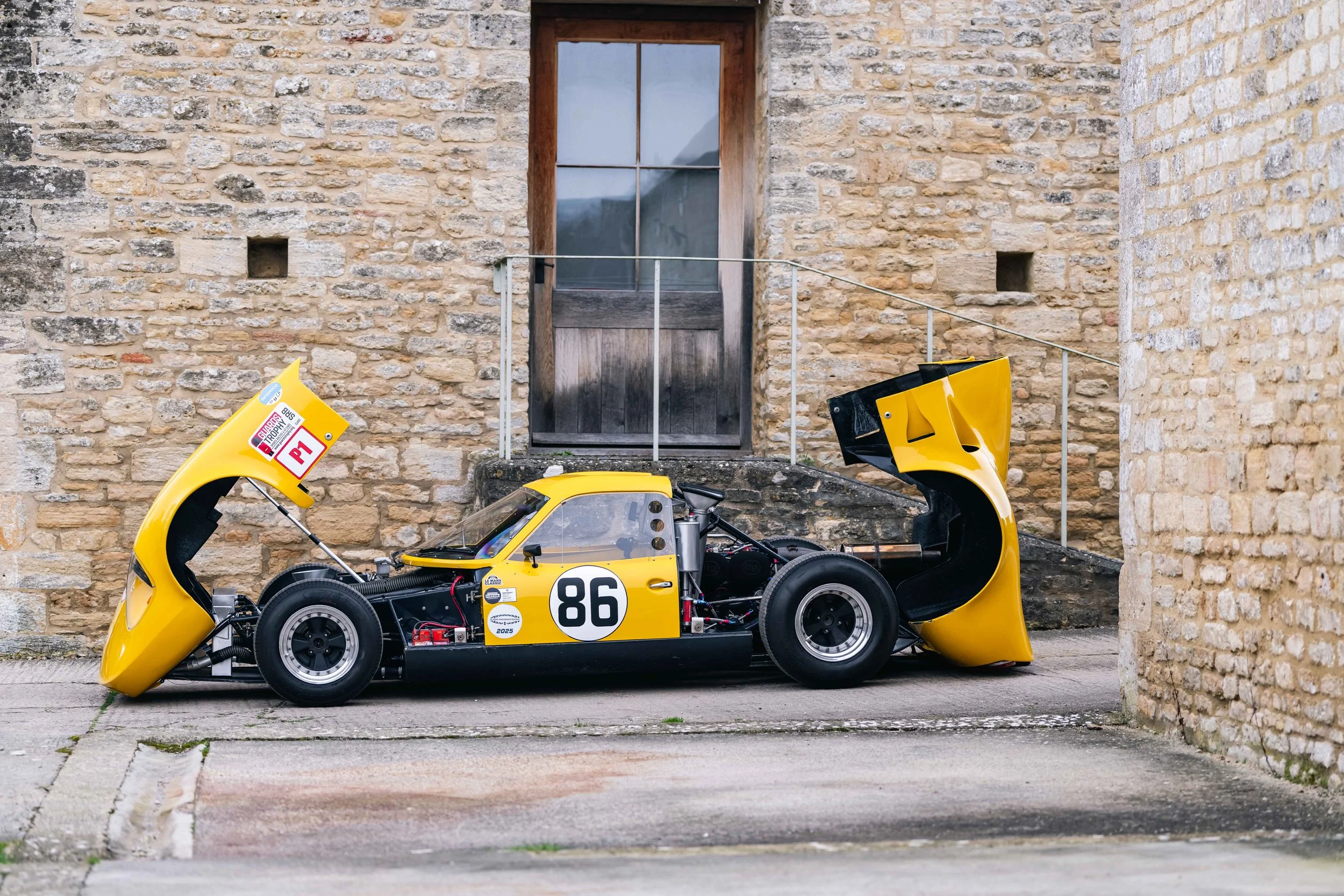
Introduced in 1968, the Chevron B8 represented a refinement on the already promising B6. Built around a stiff tubular spaceframe clothed in sleek glassfibre bodywork, the B8 combined aerodynamic efficiency with the handling precision that had already become a Chevron trademark. Most examples featured the potent 2-litre BMW M10 engine – also found powering BMW’s racing saloons, March Formula 2 cars and more – although other engines were also supplied depending on customer preference.
The B8 quickly proved itself on circuits across Europe and North America. Lightweight, beautifully balanced and relatively straightforward to maintain, it became a favourite among privateer racers competing in national championships, Interserie events and big-ticket endurance races. Against larger-engined rivals it relied on finesse rather than brute force, yet in the right hands the Chevron was frequently able to punch well above its weight.
By the close of the 1960s, Derek Bennett’s Bolton operation had firmly established itself among the leading constructors of small-capacity sports prototypes. The Chevron B8 stood at the heart of that success – a car that embodied Bennett’s belief that careful engineering and elegant simplicity could rival the resources of far larger manufacturers.


This Car, CH-DBE-38
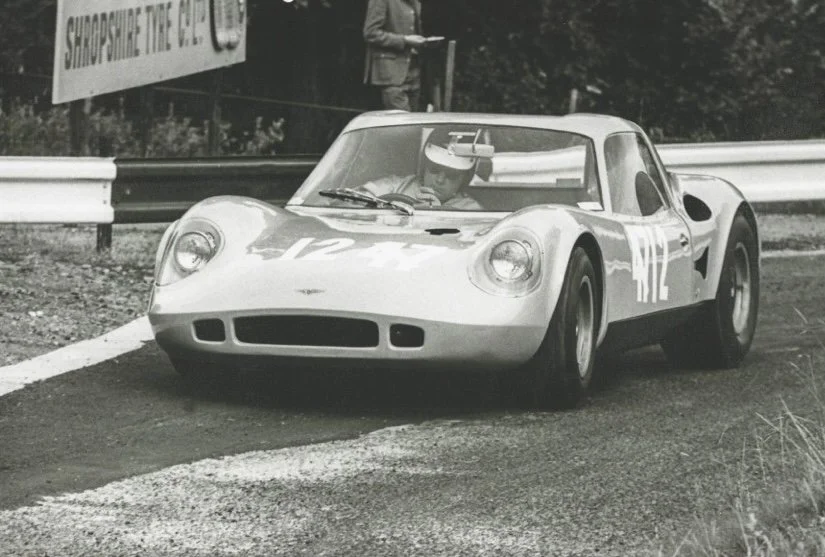
Such was the popularity of hill climbing in Britain during the late 1960s that many of the most advanced sports racing cars of the period found their first homes not on circuits but on the country’s short, unforgiving hill climb courses. This car, chassis CH-DBE-38 was one such machine, purchased new in 1968 by former British Hill Climb Champion David Good.
Good had previously enjoyed success with the unique four-wheel-drive BRM P67 Formula 1 car but returned to sports racing machinery for the 1968 season, acquiring a 1967 BMW-powered Chevron B8. Immediately competitive, he used the car extensively in national hill climb competition, breaking class records and achieving a number of impressive results including second overall at Loton Park and further successes at Prescott and Shelsley Walsh.
At Great Auclum later that season Good appeared with his second B8 – a new, bright yellow example – chassis CH-DBE-38 – which quickly proved capable of challenging the established order, setting a new class record and underlining the potential of Derek Bennett’s latest design.
In 1969 the Chevron passed to Yorkshire racer Peter Lawson, the reigning British Hill Climb Champion. Lawson attempted to broaden the car’s horizons by entering a number of circuit races across the northern club scene. Lawson showed flashes of speed, including victories in GT and ProdSport events and a strong performance in the Motoring News GT Championship race at Croft.
For the 1970 season the car was acquired by Reg Phillips, chairman of Fairley Steels and a keen competitor in hill climbs and sprints. Phillips returned the car to its natural habitat, where it remained competitive against increasingly powerful opposition. As regulations evolved and GT classes began to disappear, the Chevron was converted into an open sports racing configuration during 1971 using bodywork produced by the Scottish specialist Gropa.
The following years saw the car pass through a number of owners and configurations. In 1972, it suffered an accident during testing at Snetterton ahead of a proposed Nürburgring 1000km entry, after which the damaged bodywork was discarded and the chassis repaired. Subsequent custodians included Peter Hemming, who rebuilt the car once more using Gropa bodywork and BMW power.
After a period spent in Italy during the late 1970s, the Chevron was exported to South Africa in 1984. There, it was rebuilt and campaigned extensively by Gary Dunkerley, competing at circuits including Kyalami, Zwartkops and Killarney, remaining active in historic racing through the late 1980s and early 1990s.
Having spent more than a decade in storage, the car was finally repatriated to the United Kingdom in 2004 where it underwent restoration back to its original specification and David Good’s striking yellow livery. Since then CH-DBE-38 has enjoyed a successful second career in historic racing, appearing regularly in HSCC competition and achieving numerous podium finishes and outright victories having been raced with verve by interim owners Simon Leighton, Nick Fleming and Paul Ugo.
In the current ownership, the Chevron has been a regular in both the HSCC Guards Trophy and in Peter Auto’s popular CER 1 grid, with successful visits to the Le Mans Classic and Goodwood Members Meeting mixed in. During this tenure, the Chevron has been maintained by Pace Products and benefits from 2025 engine and gearbox rebuilds. Further to this, the fuel cell is valid to 2030 and seatbelts to 2028.
The Chevron also boasts not only a historical dossier by OldRacingCars.com and current FIA HTPs valid to 2032, but a current UK road registration opening up the possibility of further use in competitive road & track rallies such as the Modena Cento Ore or perhaps the 2027 Tour of Britain!
Racing eligibility includes the Le Mans Classic, Peter Auto’s highly competitive Classic Endurance Racing 1 (CER1) series, the new Motor Racing Legends 2-Litre Sportscar Series and on the ever-popular Masters Sports Car Legends grid, while in Britain it would be equally at home in the Historic Sports Car Club Guards Trophy or with Equipe. Across the Atlantic, invitations extend to the Daytona and Sebring Classic events, while standout invitation races such as the Gurney Cup at the Goodwood Members’ Meeting offer further opportunities to enjoy the car at some of motorsport’s greatest venues.
Today the car represents a fascinating example of Chevron’s hugely successful B8 design, with a competition history spanning hill climbs, circuit racing and historic motorsport spread across more than five decades. Eminently eligible, CH-DBE-38 is ideally suited to many of the world’s most prestigious historic racing events, but also represents a very well engineered and typically low maintenance package which is a firm favourite with anyone who has had the chance to drive one.

Get in touch to find out more
Please feel free to get in touch and I’ll be happy to discuss the car with you.
Either fill in the form to the right or call on 0044 (0) 7535 148 470.