
5x Goodwood Revival Glover Trophy Winning
BRM P261 Formula 1
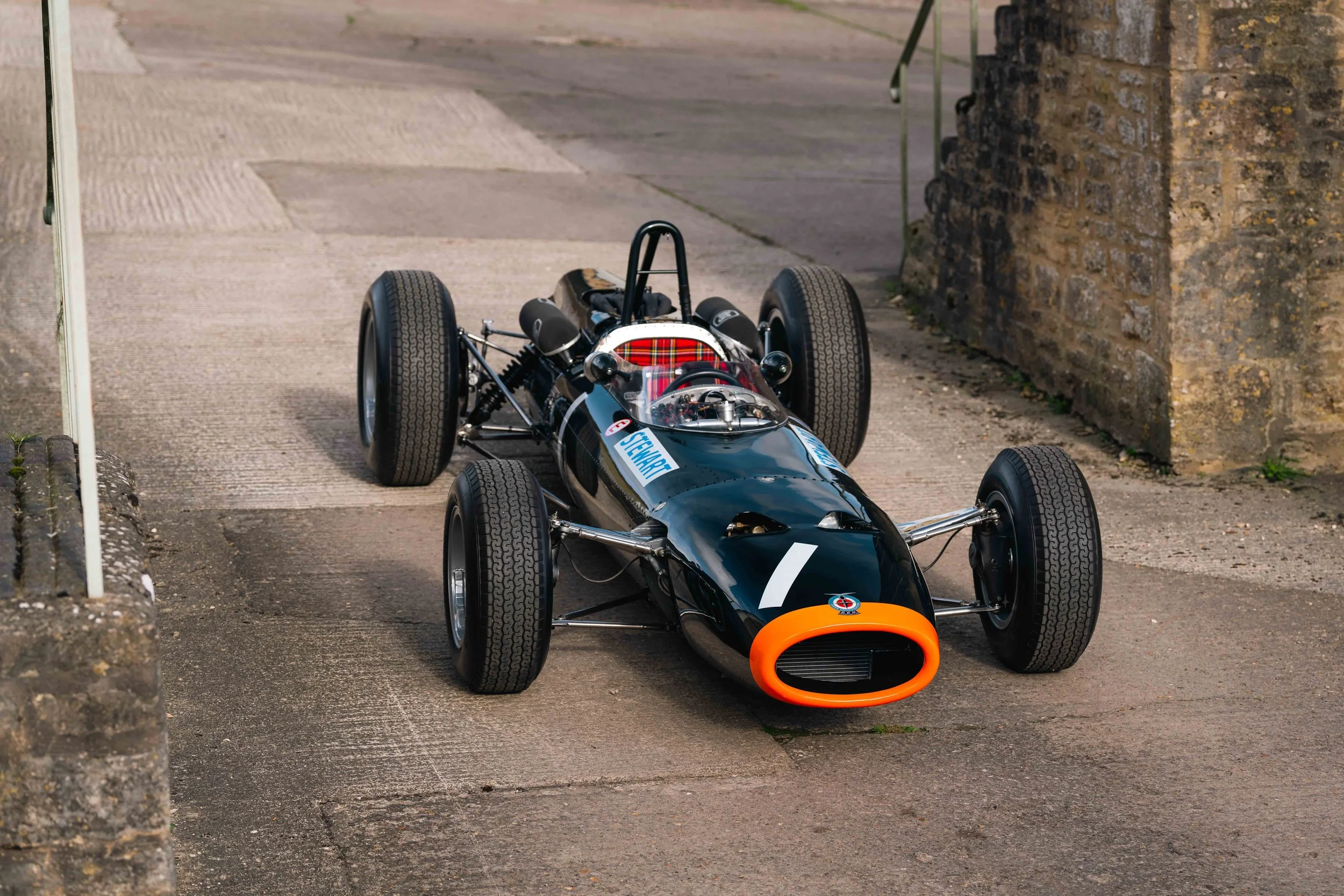
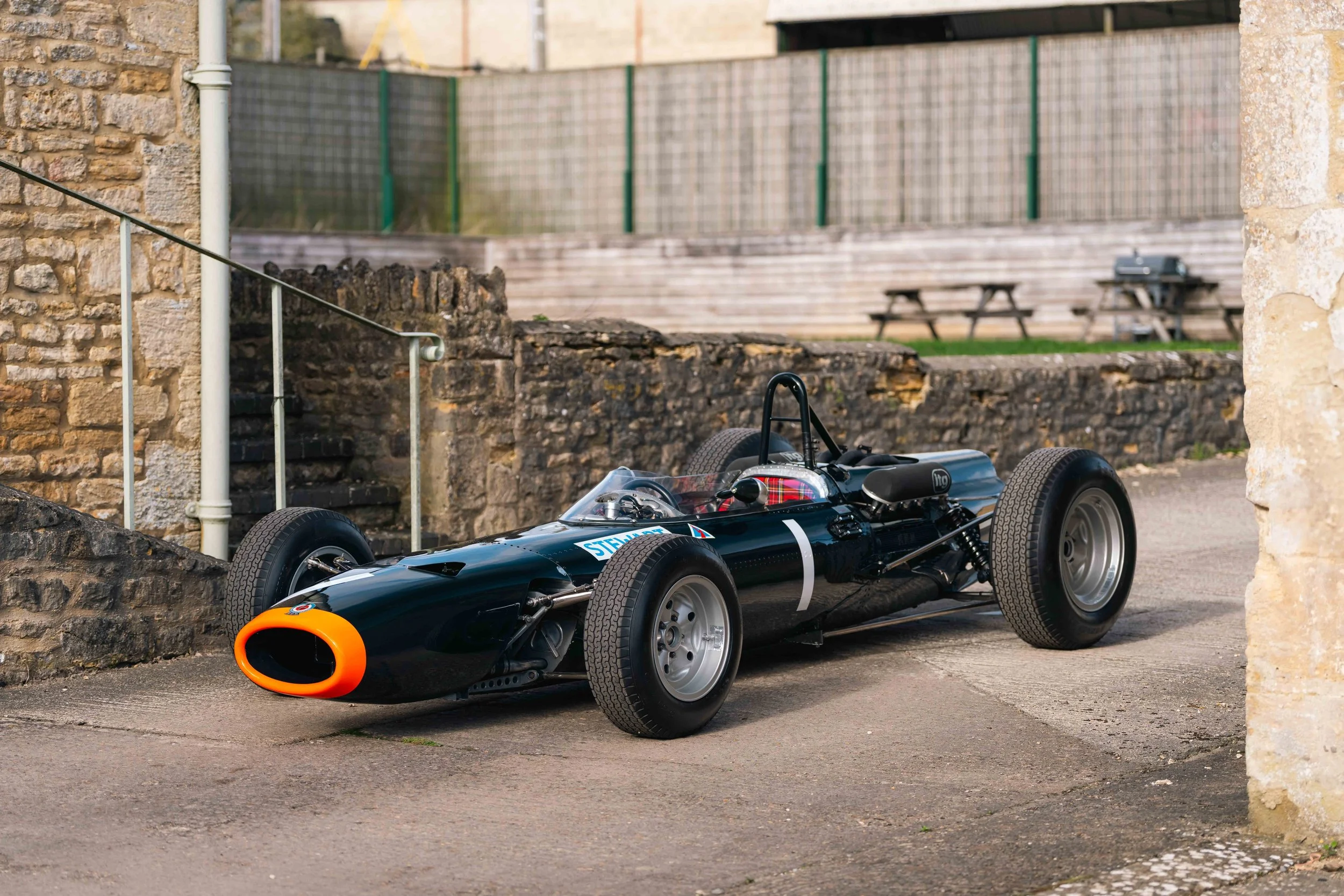
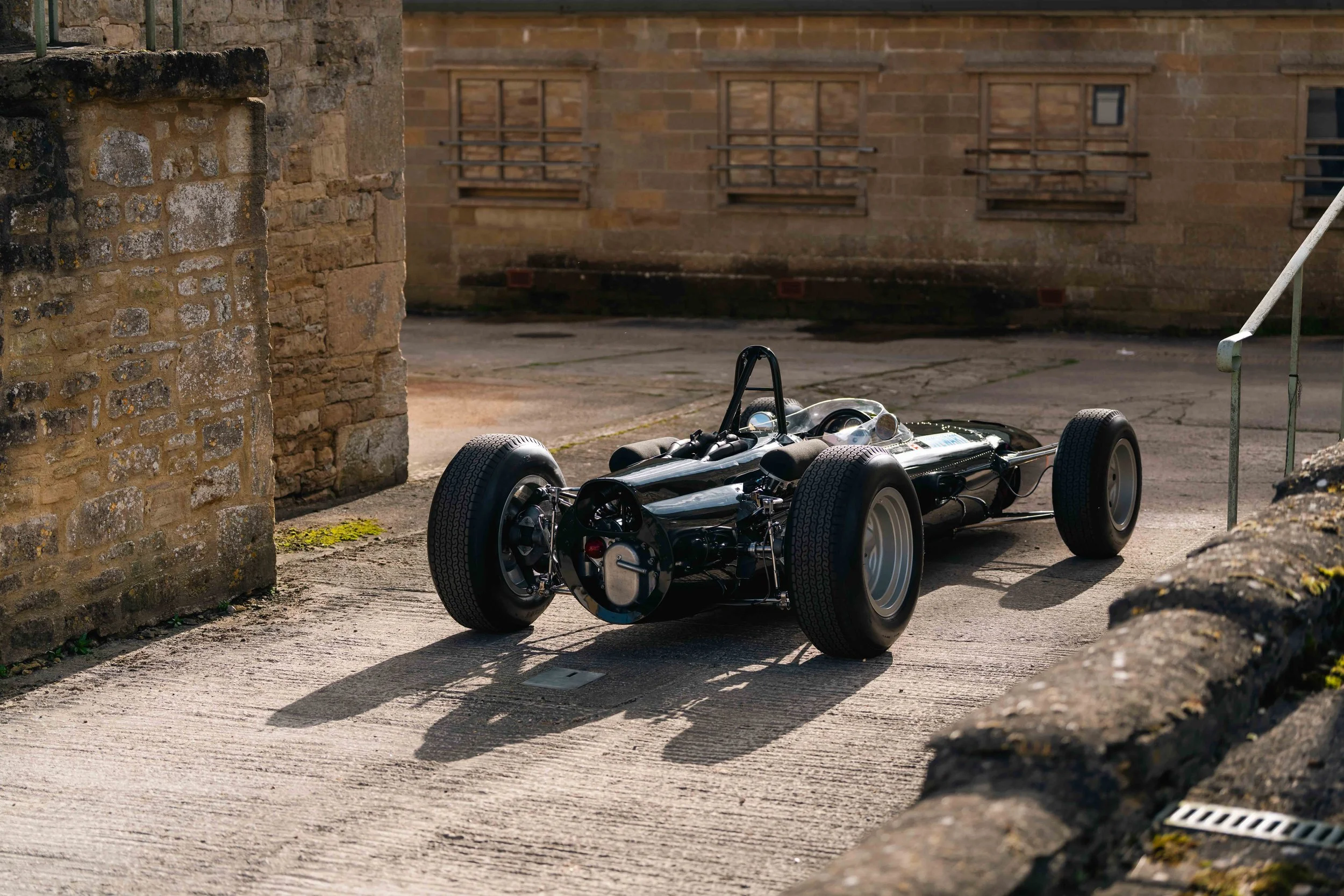
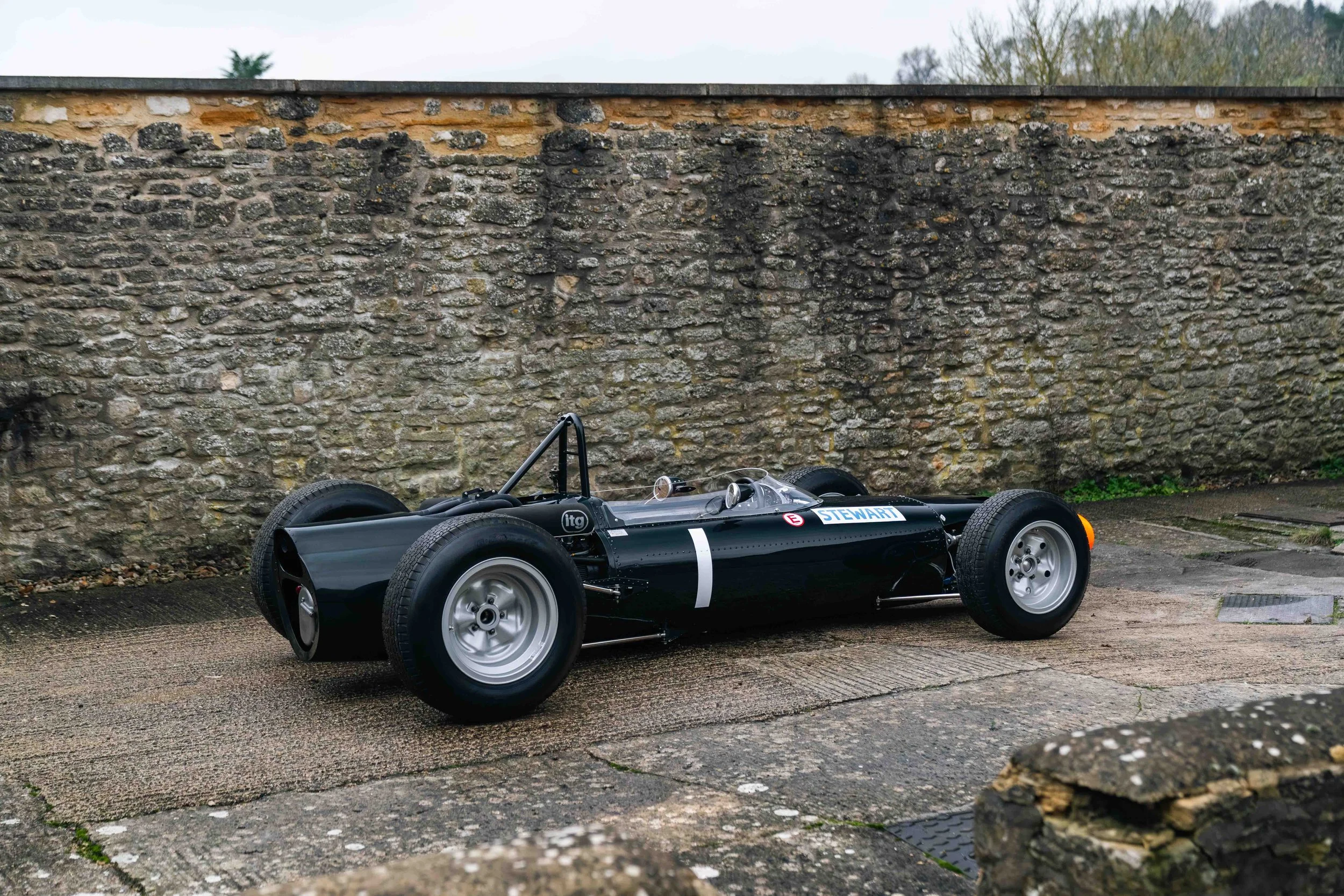
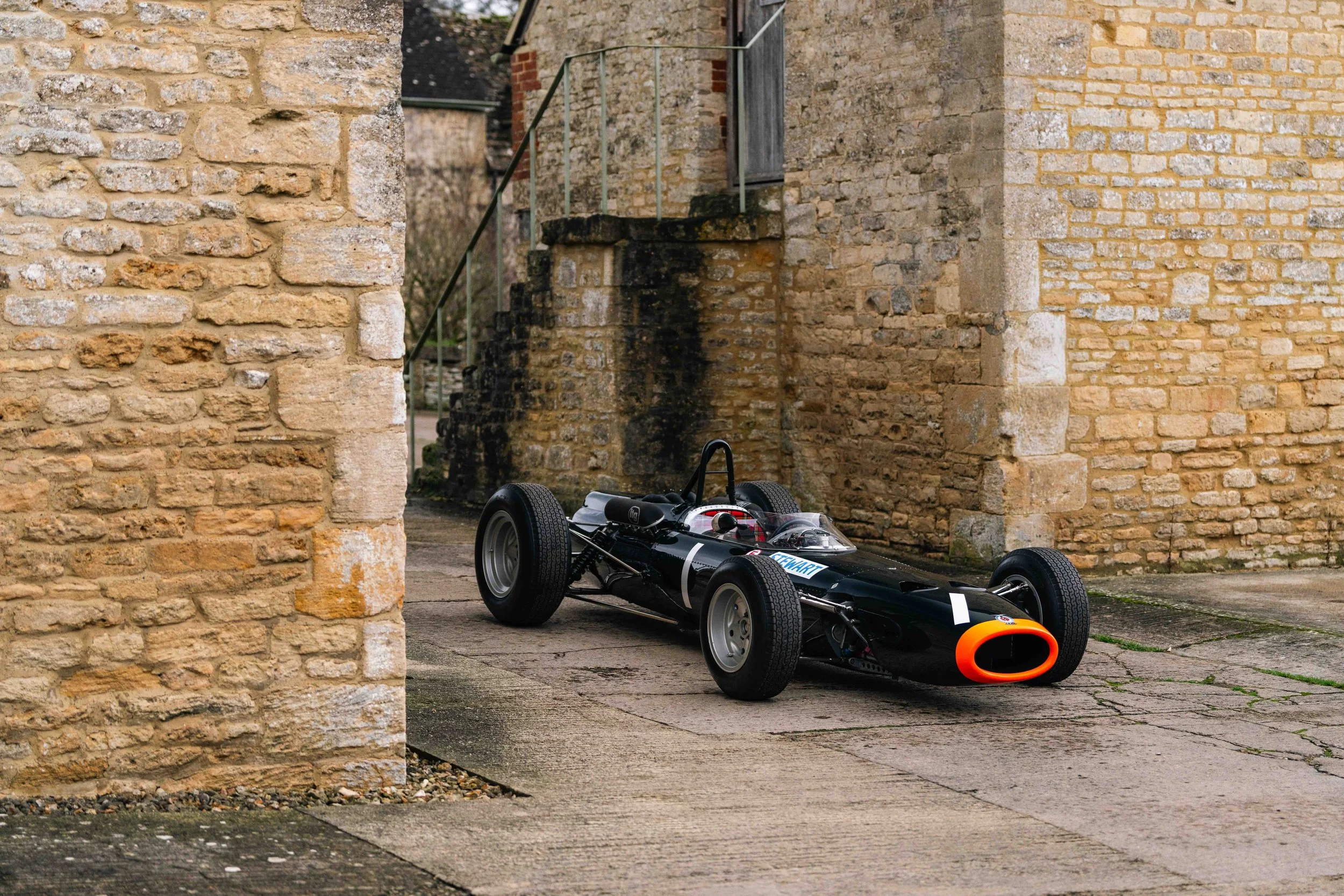
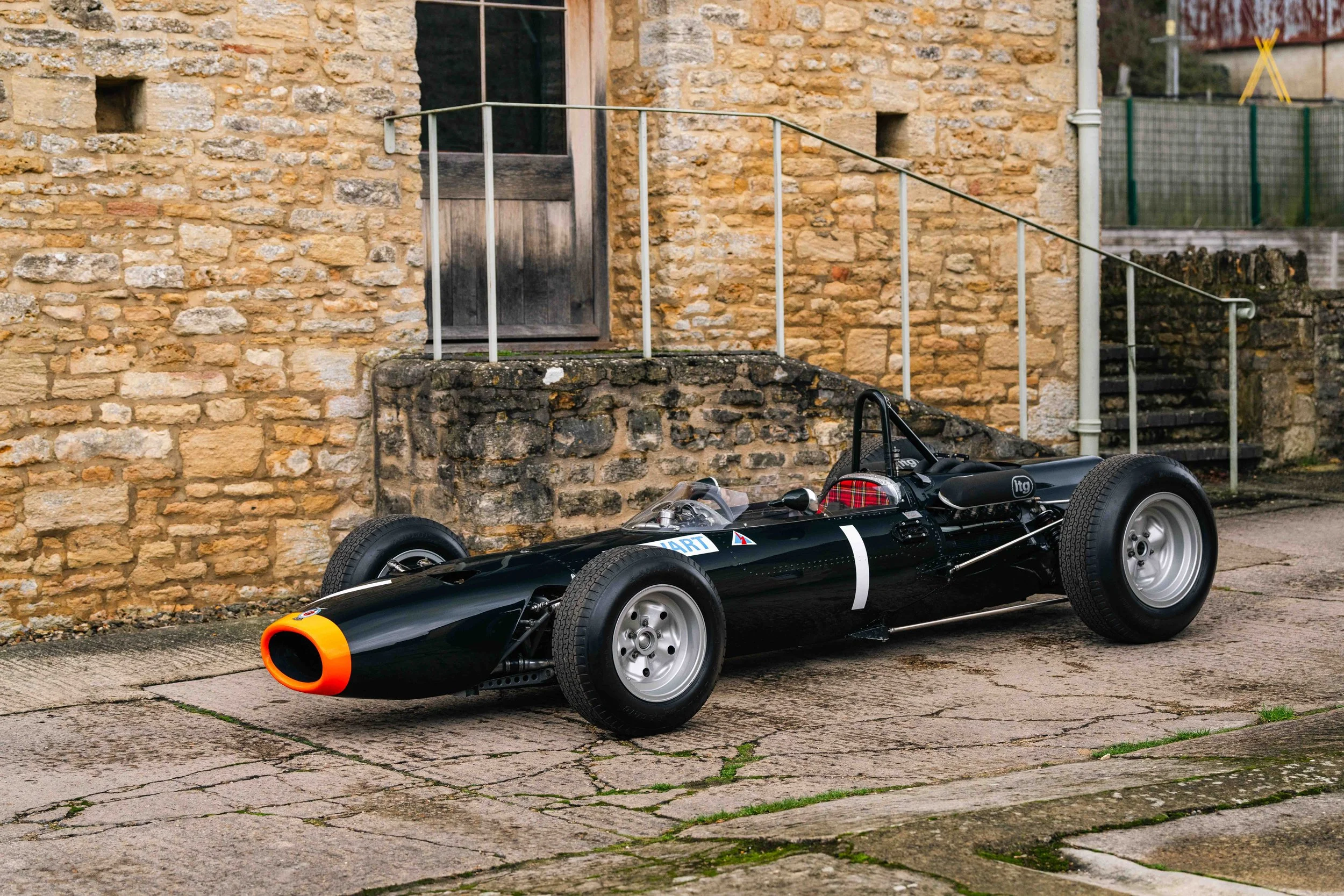
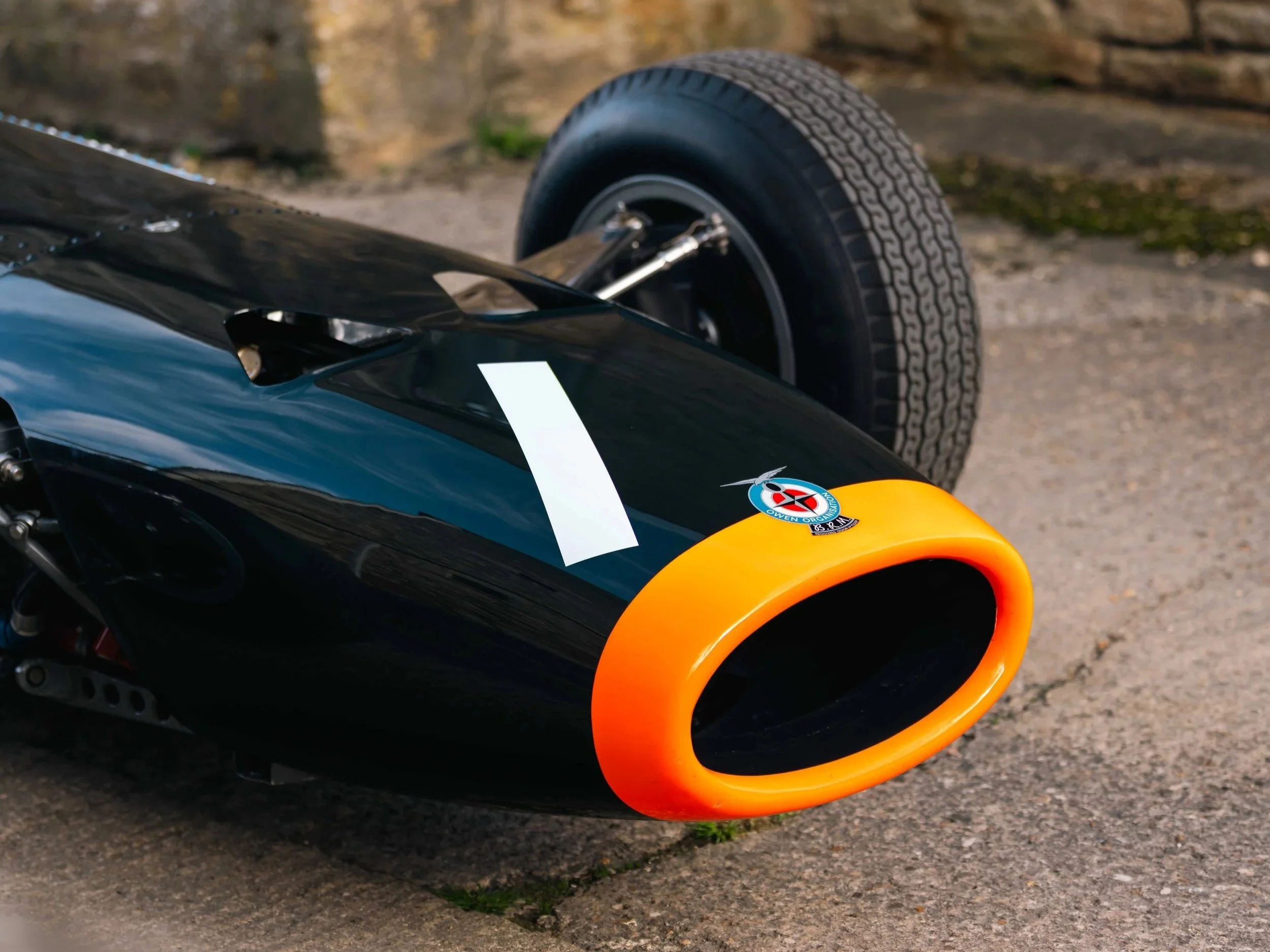
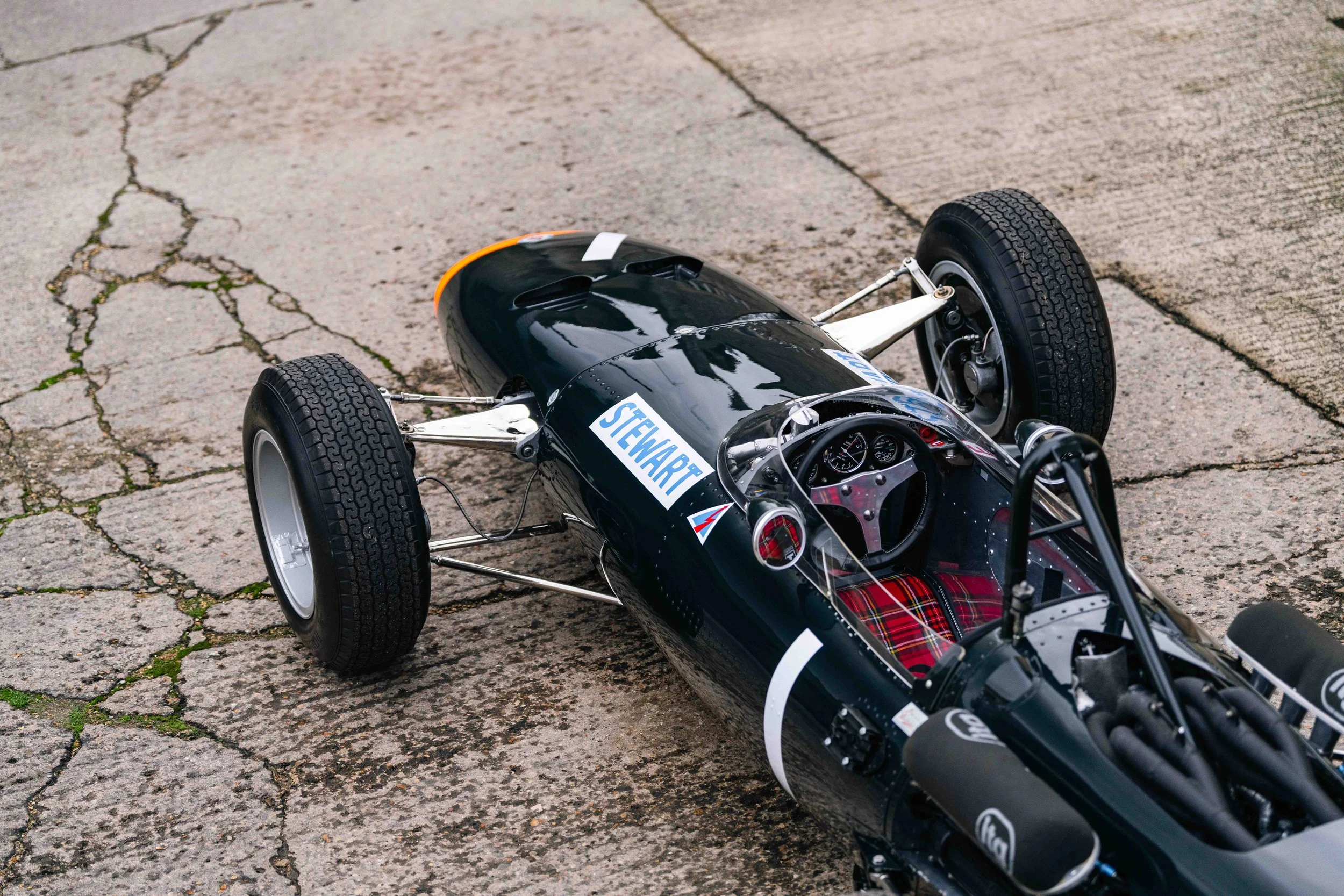
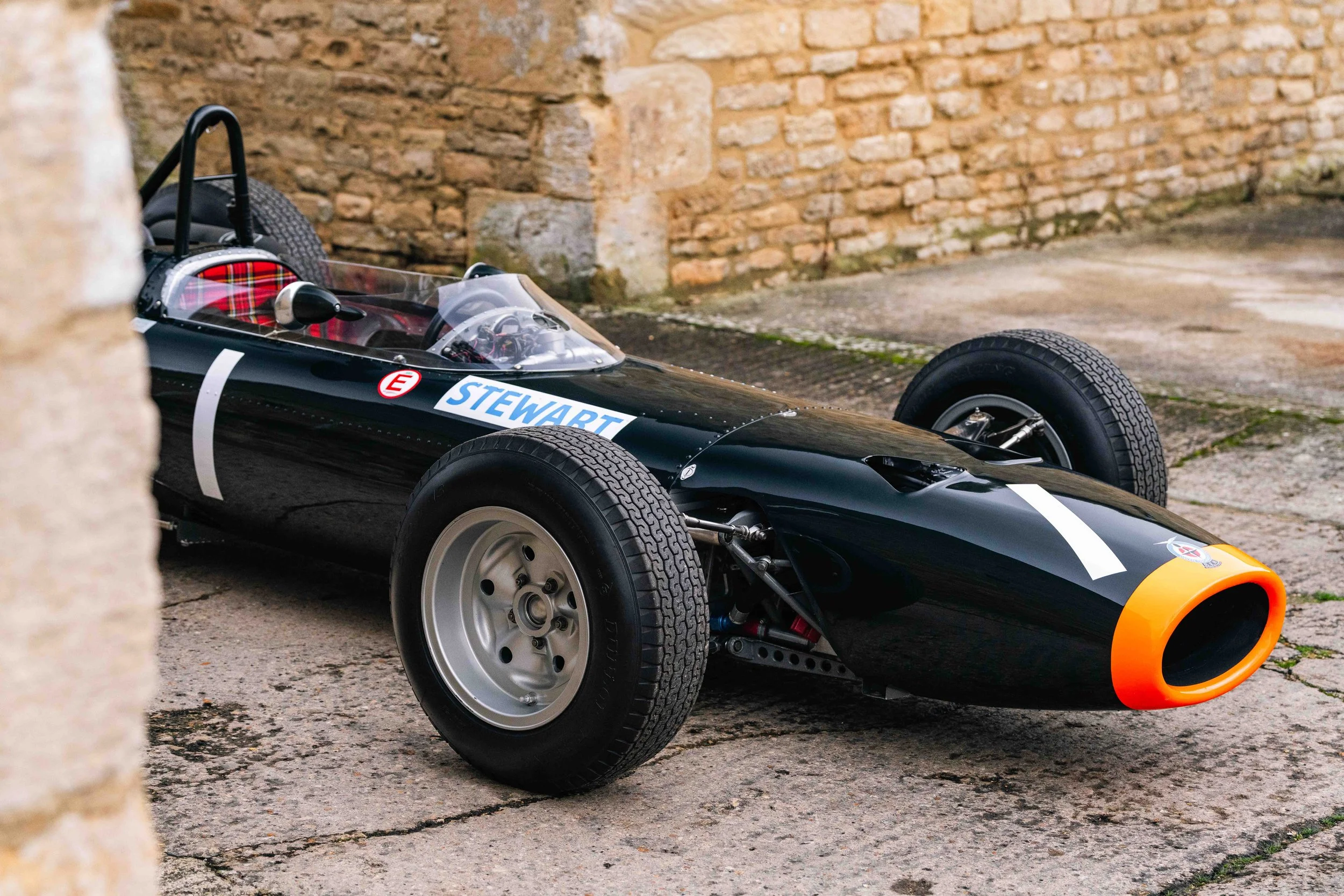
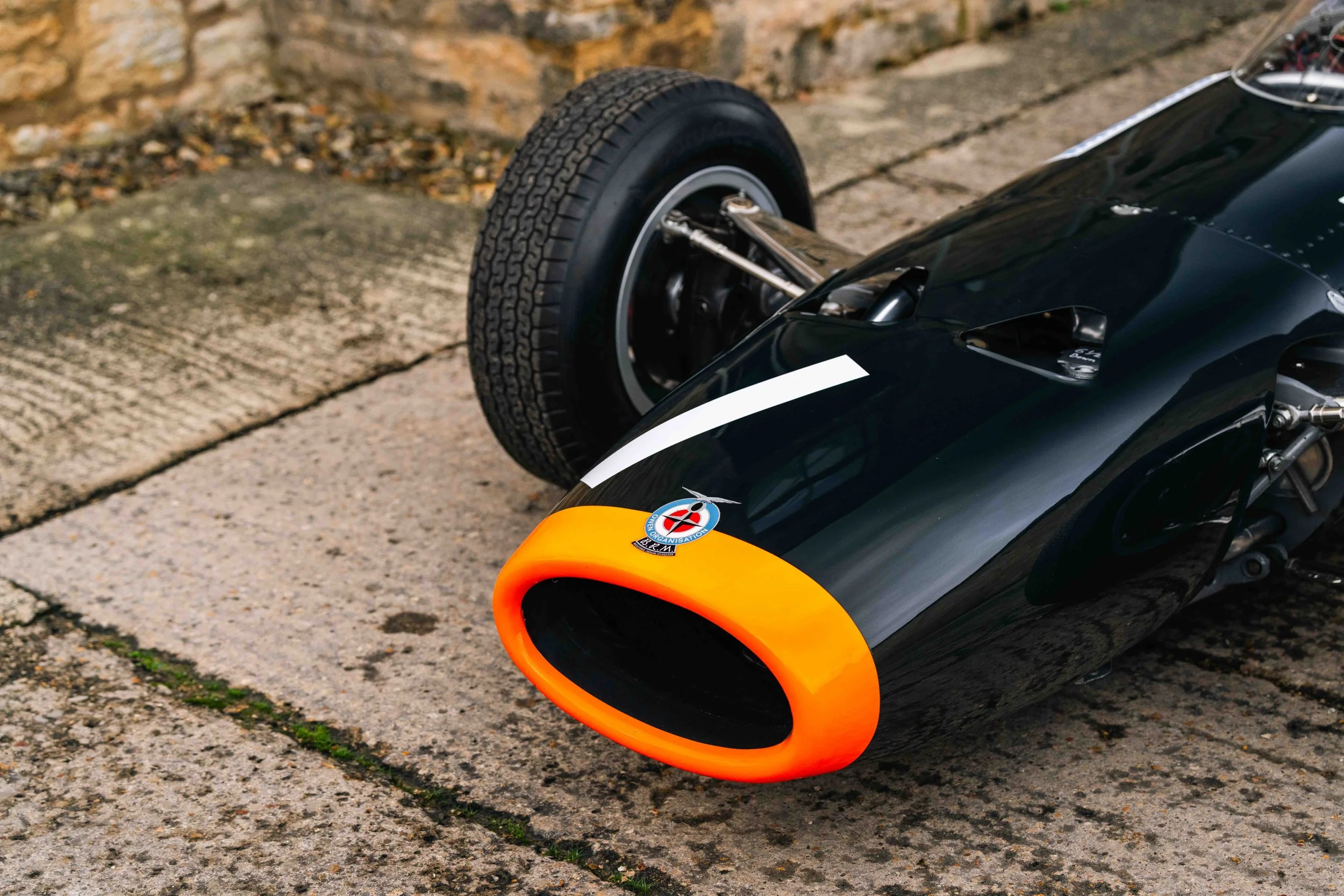
The faithful reconstruction of the 1965 P261 Formula 1 car, chassis 2617, authorised and blessed by the Owen family, owners of BRM and Rubery Owen.
Assembled for period BRM works driver Richard Attwood using an extensive collection of genuine P261 components, said to have been obtained while still a works BRM driver in Formula 1.
Incorporating many original parts reputed to have come from the crashed works chassis, including an original P60 engine, with works handled by period BRM mechanics, Hall & Fowler.
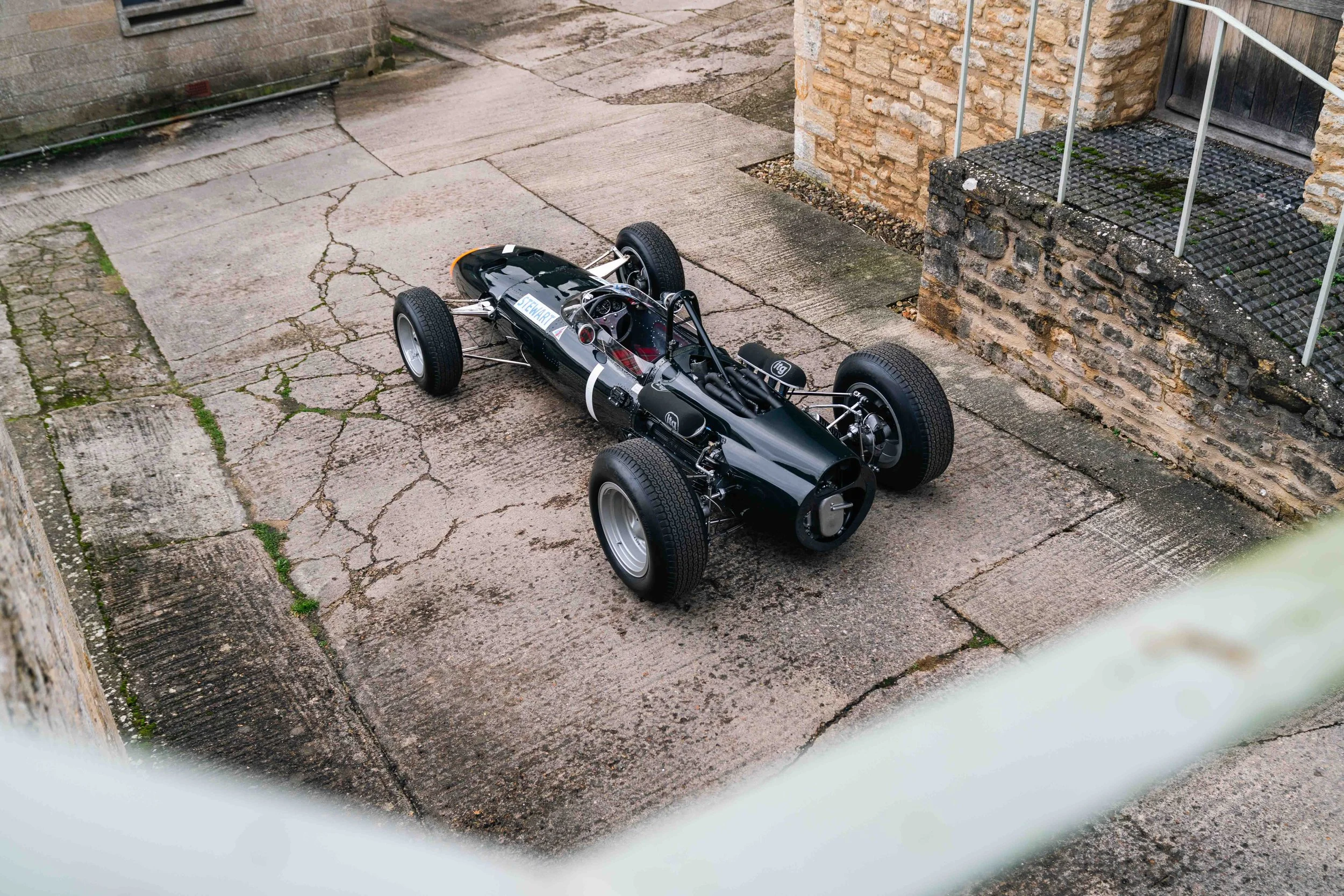
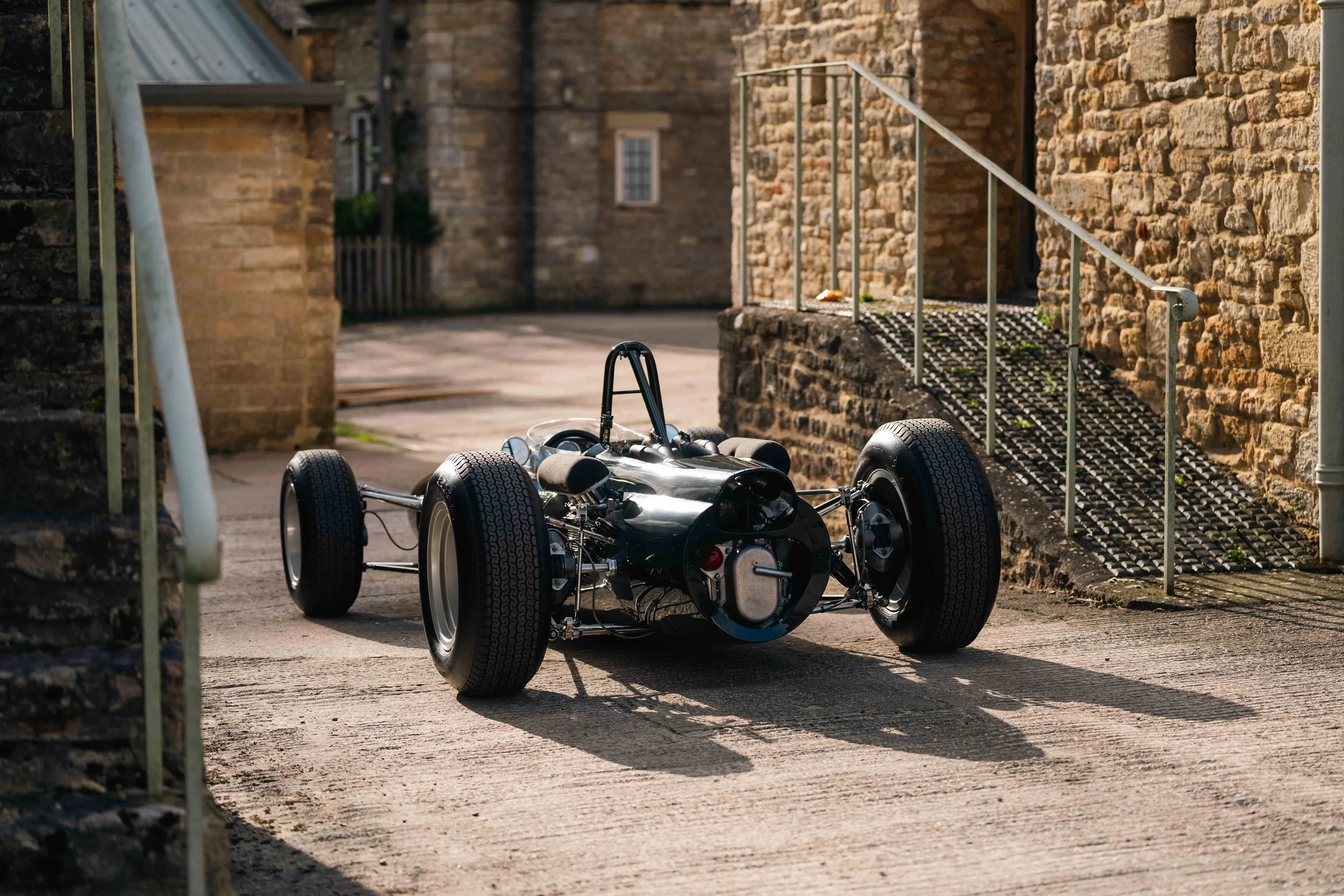
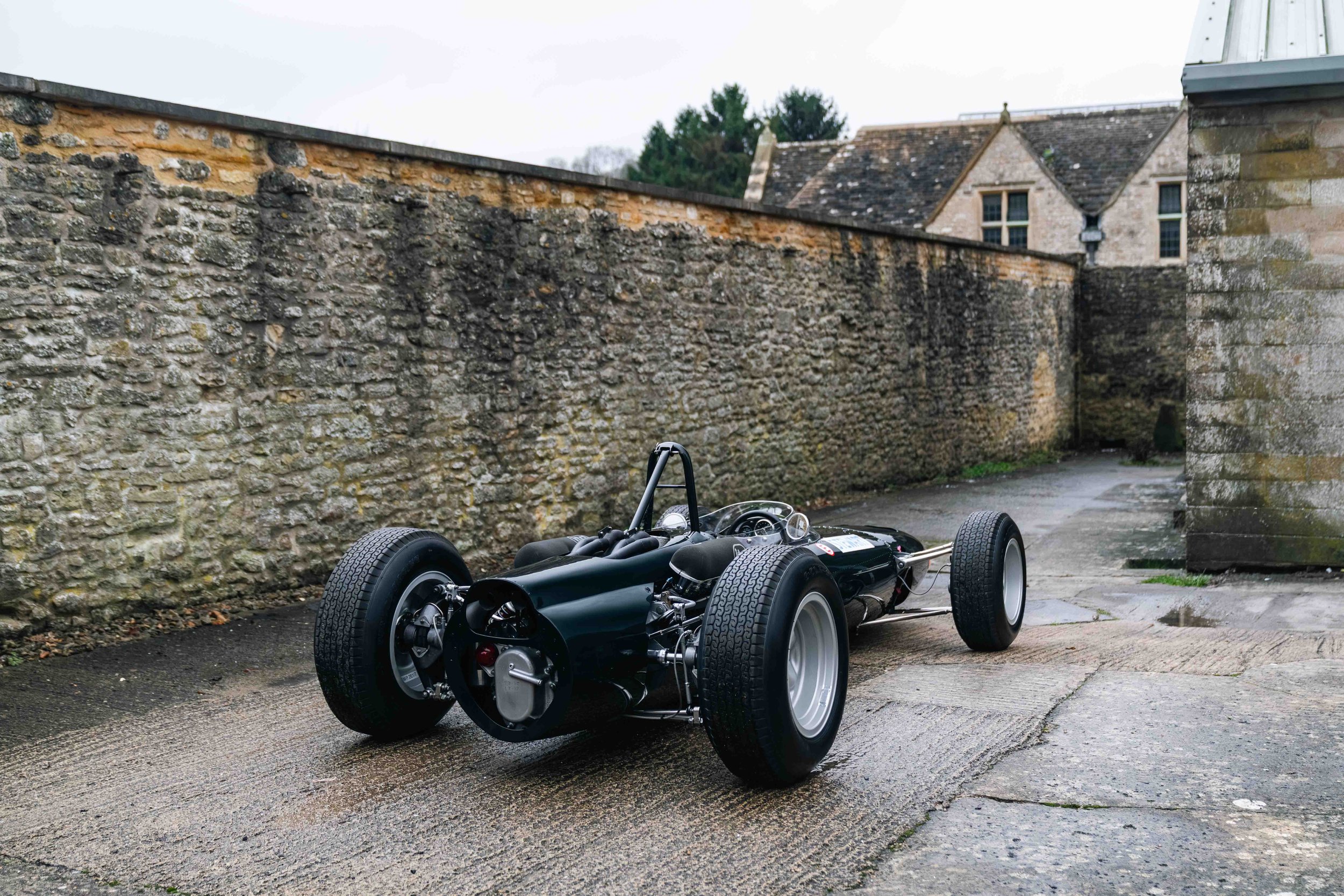
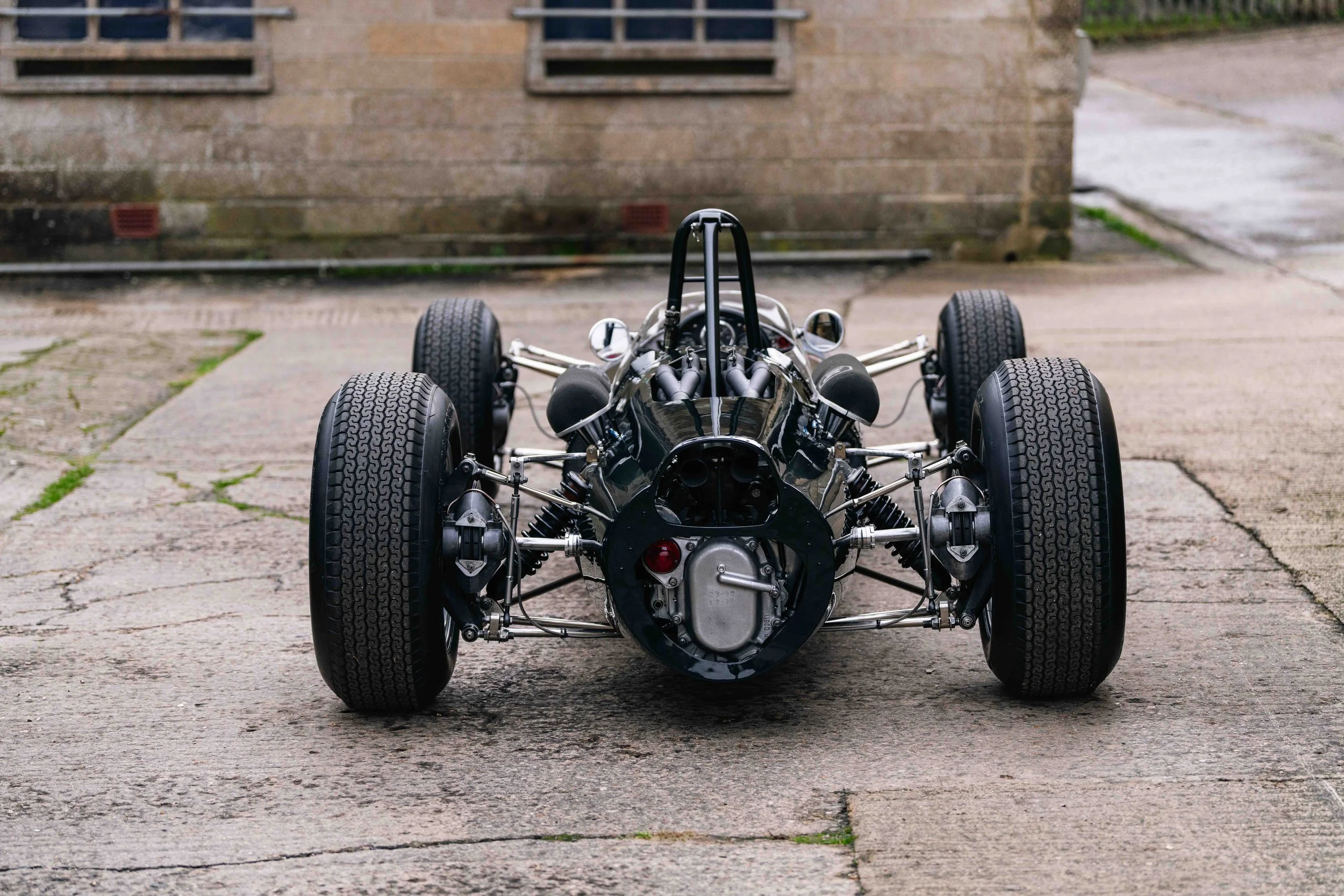
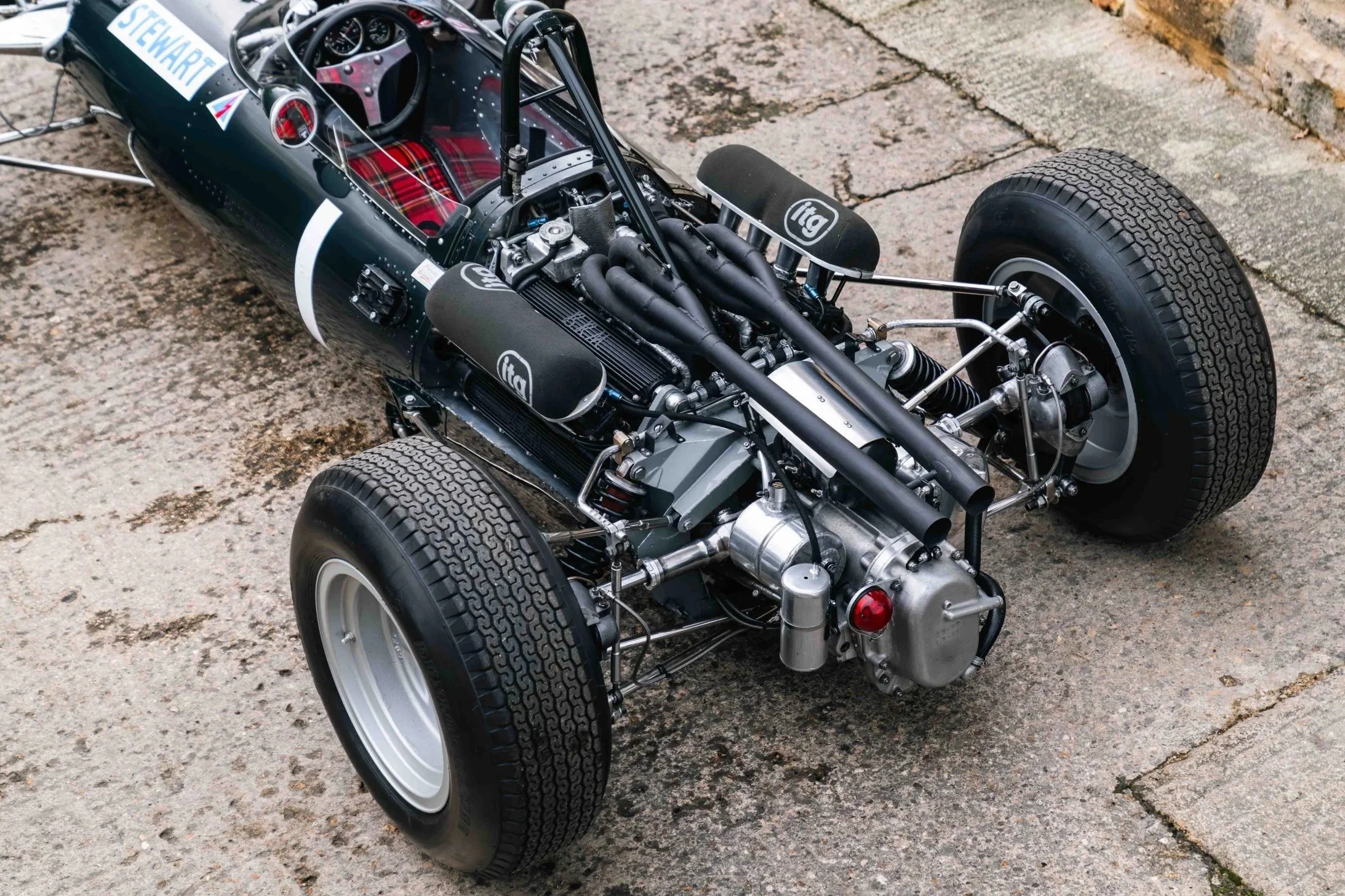
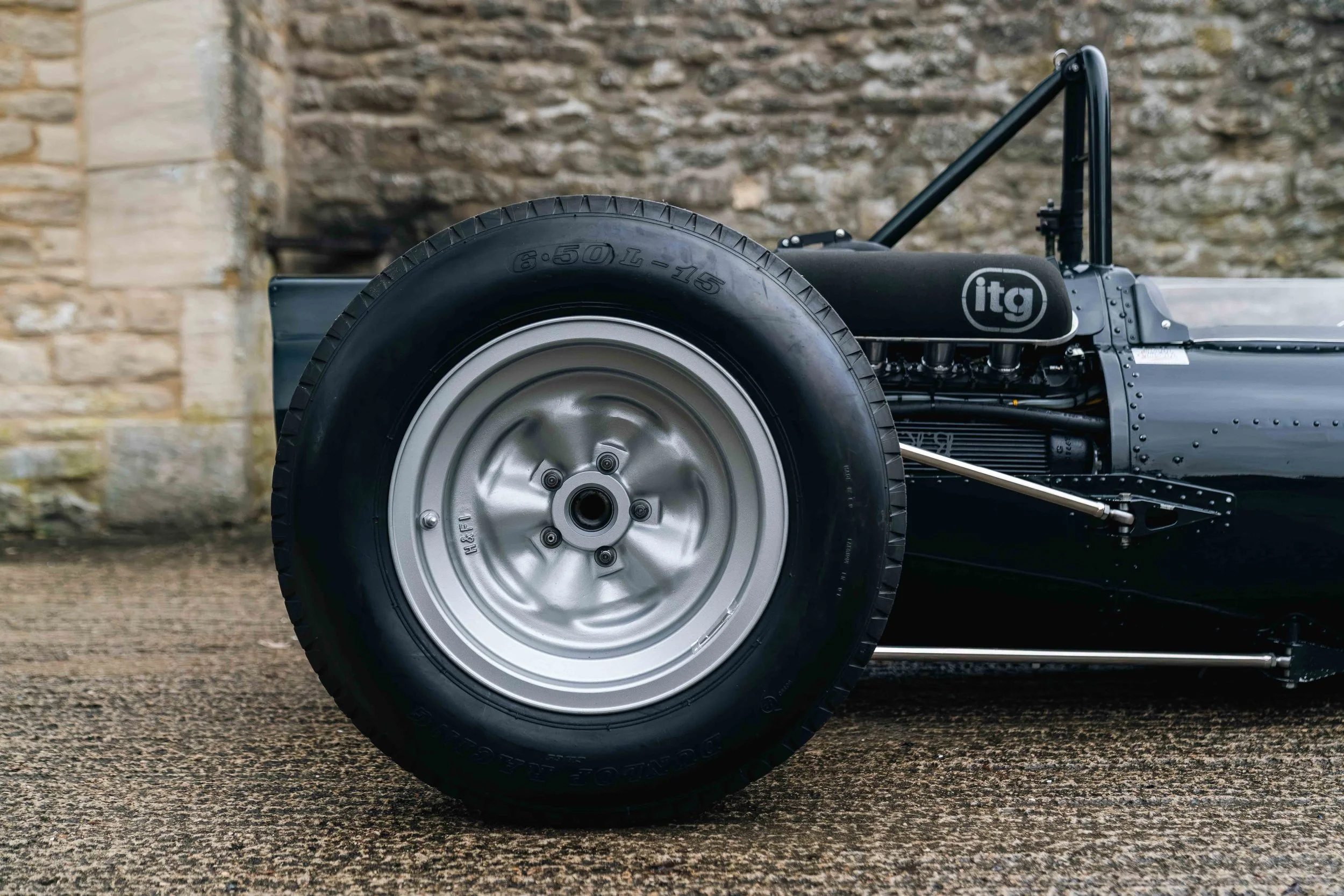
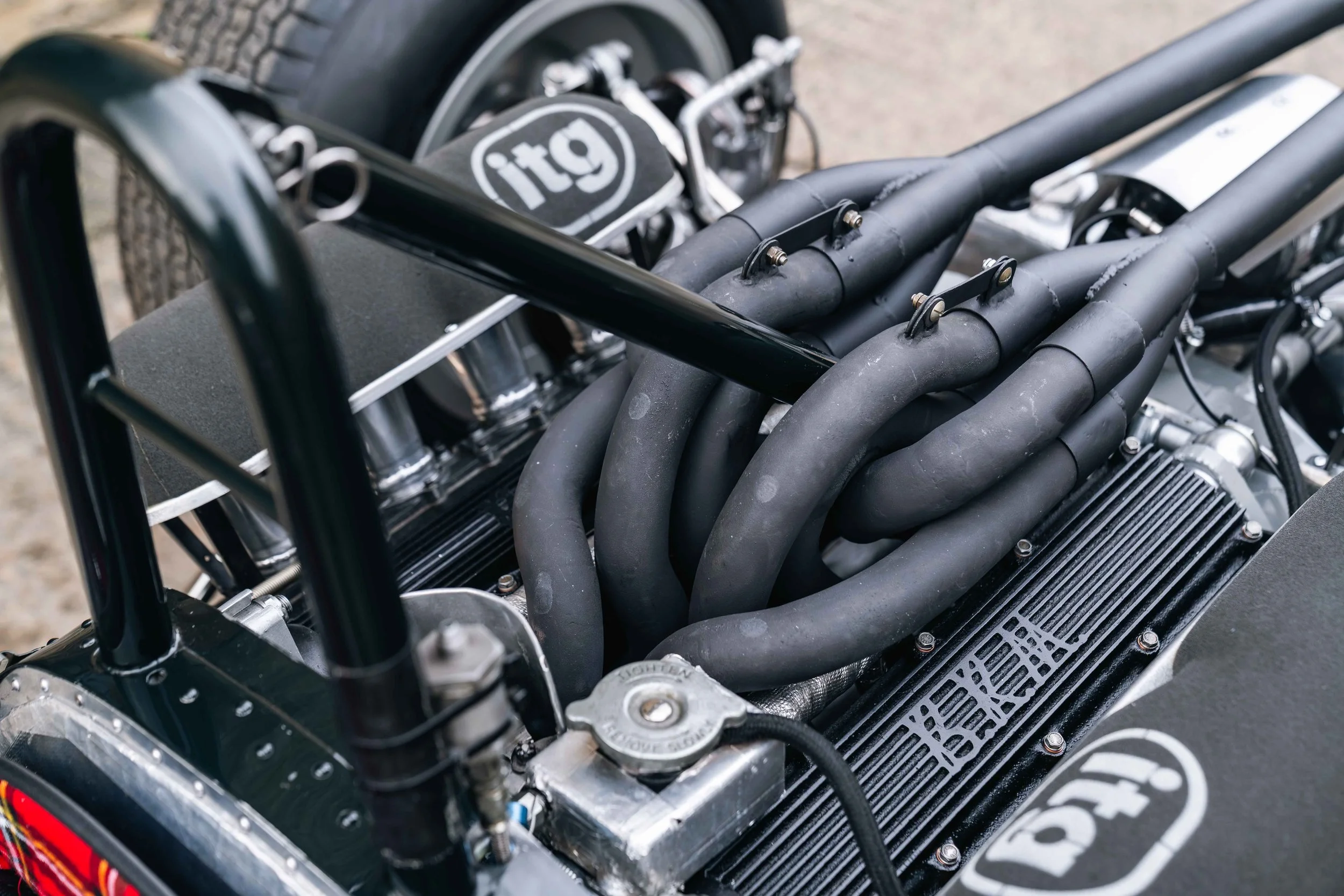
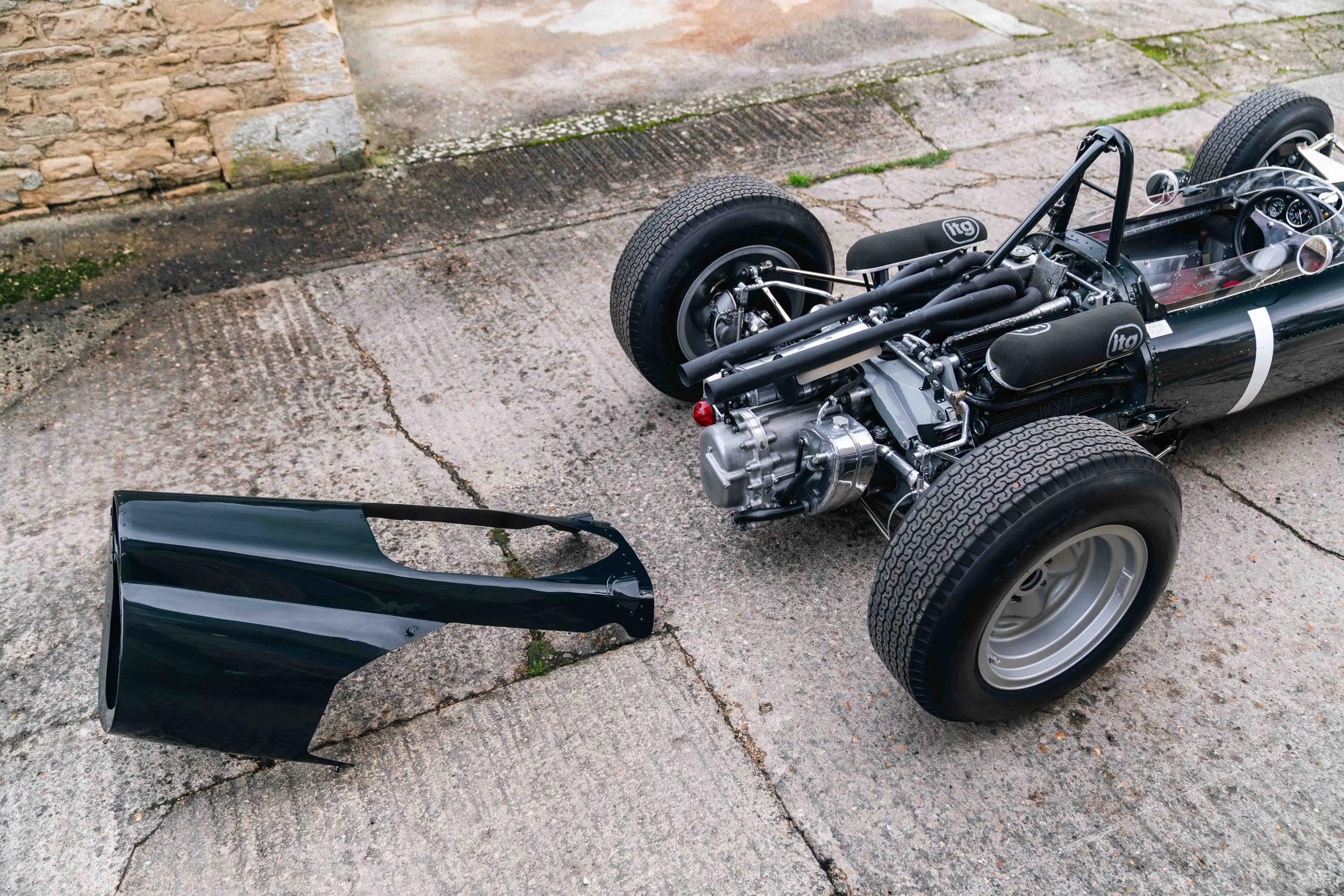
Powered by the ultimate, late-specification 1.5-litre BRM P56 V8 by Hall & Hall, with inside exhaust layout.
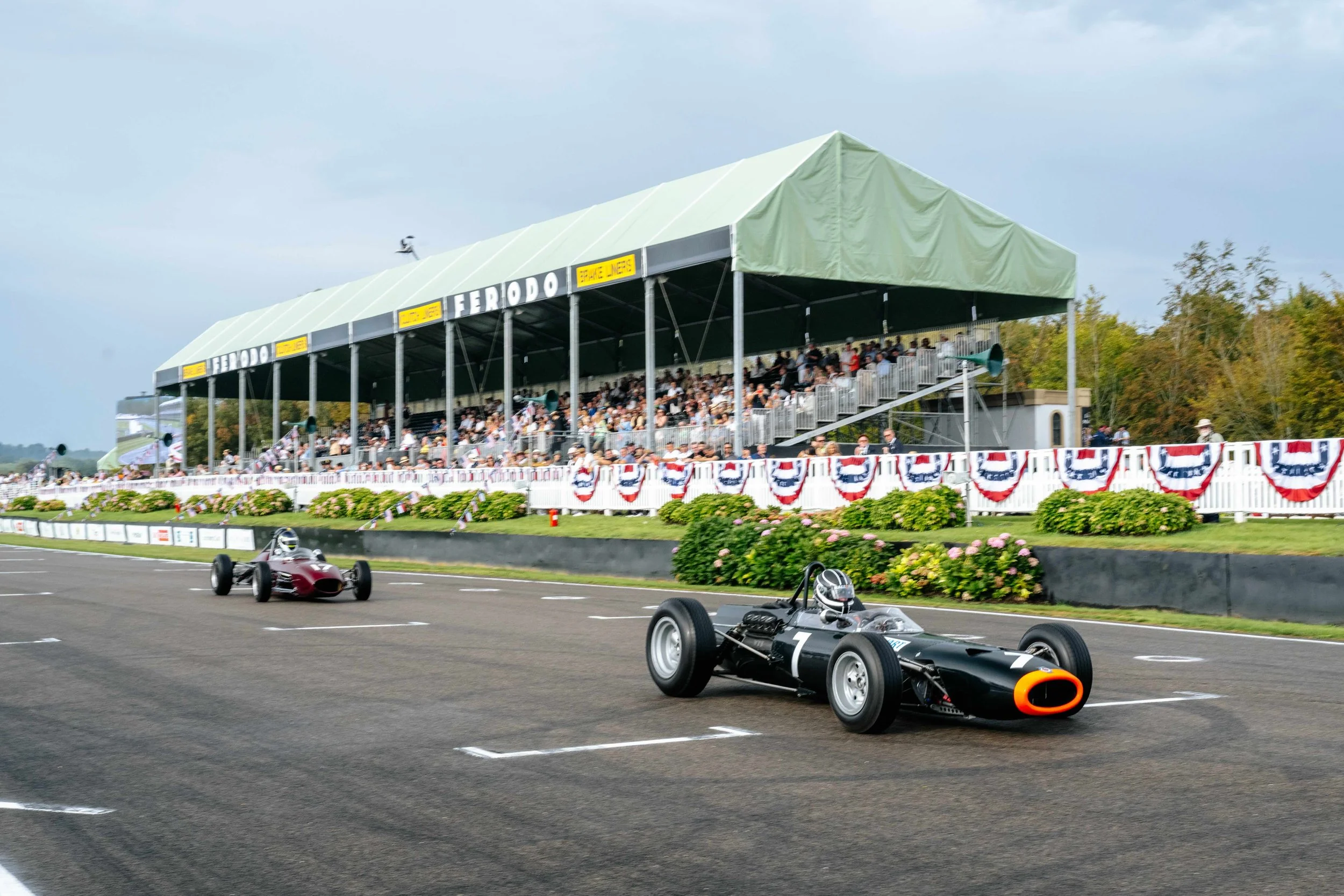
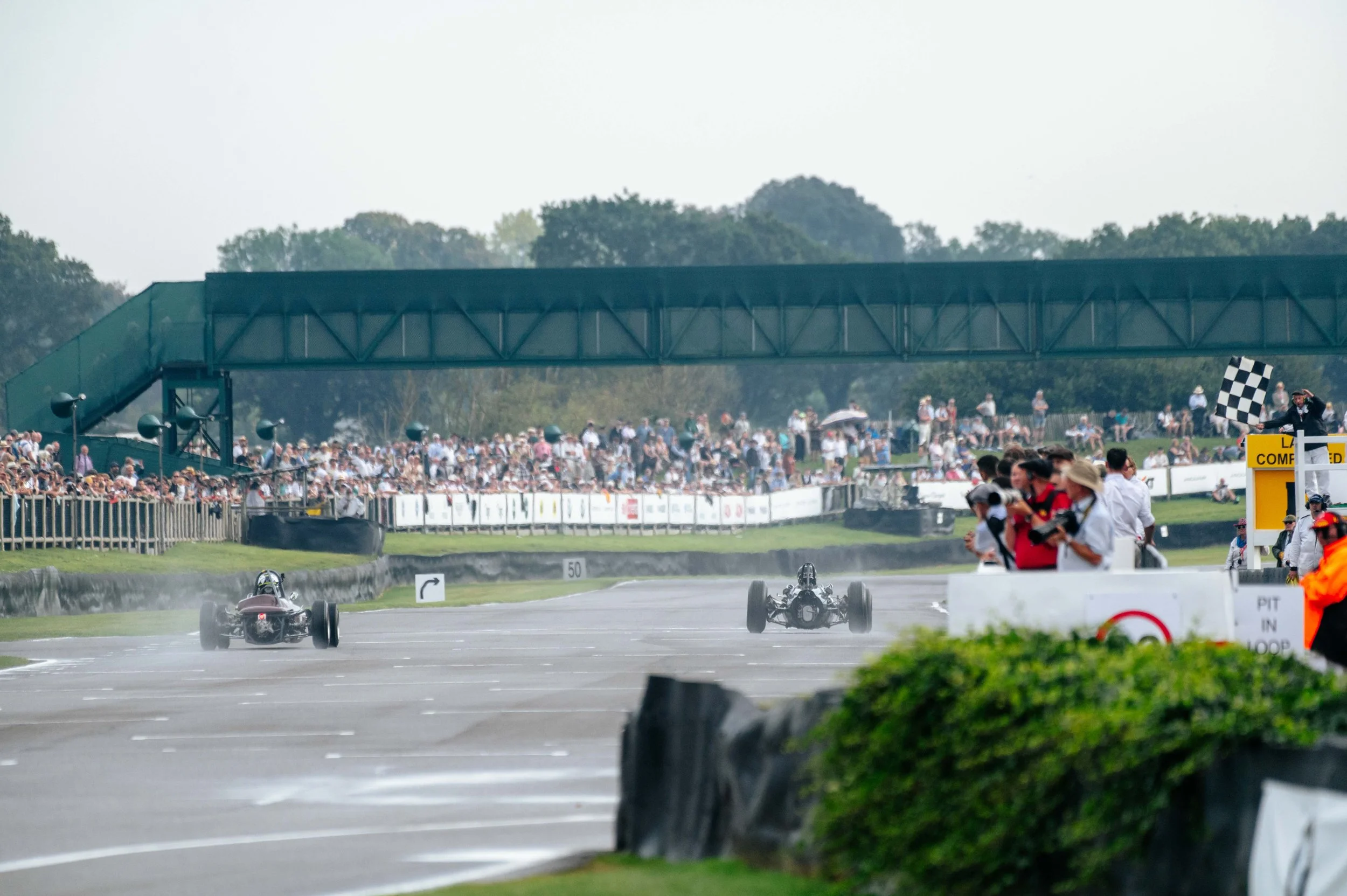
Regular historic competitor and 5-time Glover Trophy race winner at the Goodwood Revival.
Eligible for the Goodwood Revival’s Glover Trophy, Historic Grand Prix Cars Association (HGPCA) events and more.
Price: £POA
Chassis Number: ‘2617’
The P261 - BRM’s final 1.5-litre Grand Prix car
By the early 1960s, Formula 1 was undergoing a profound technical shift. The introduction of the monocoque chassis, most notably with the Lotus 25 in 1962, rendered traditional spaceframe designs increasingly obsolete. For British Racing Motors, this transition culminated in the BRM P261, the team’s first fully monocoque Grand Prix car and BRM’s most accomplished Grand Prix car of the 1.5-litre era.
Rather than pursuing a radical clean-sheet design, BRM approached the P261 as a measured evolution of its earlier experimental P61 prototype. Under the direction of Tony Rudd, the P261–sometimes referred to internally as the P61 Mark II – built upon established ideas, a continuity reflected in the fact that chassis numbering continued directly from the P61 sequence.
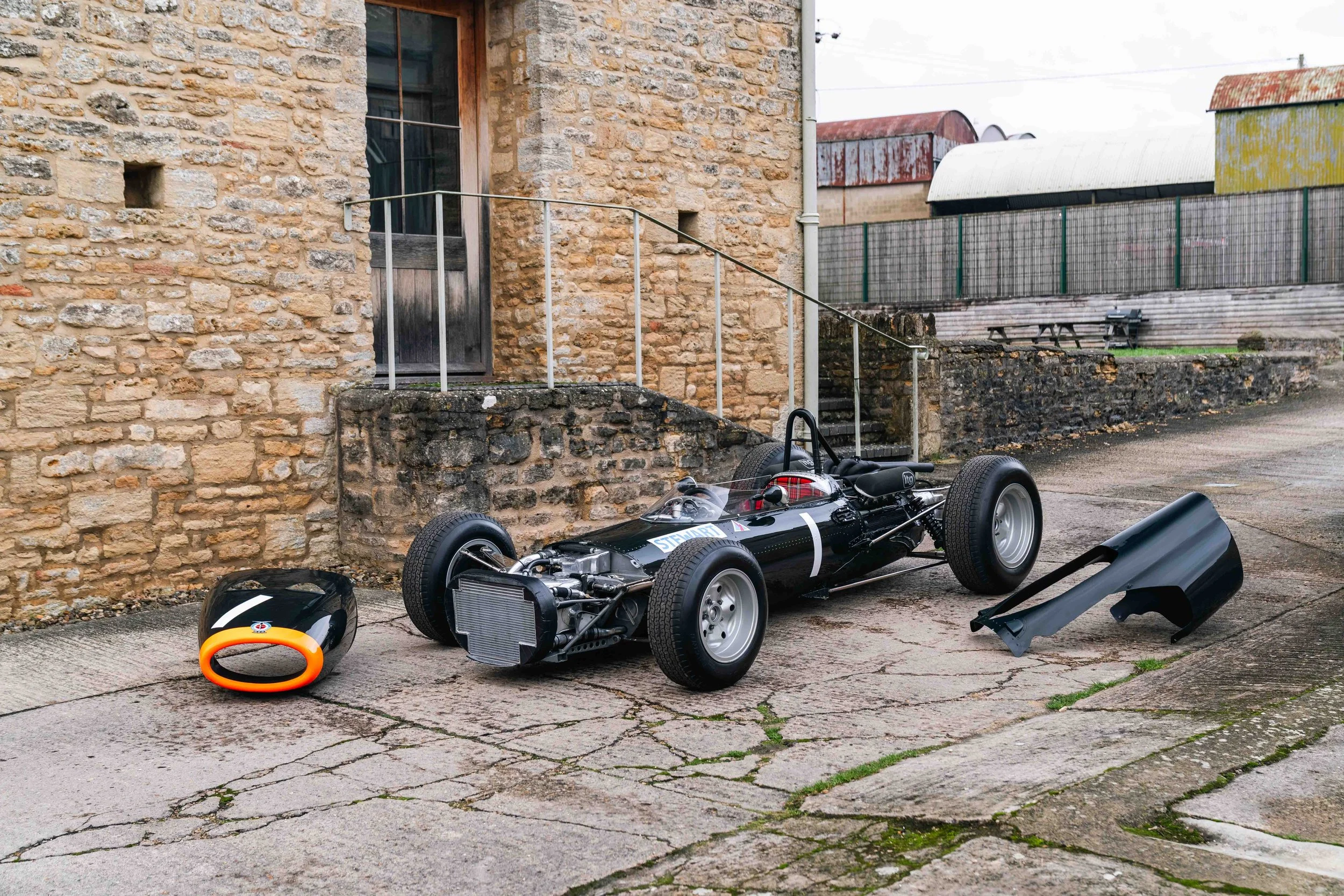
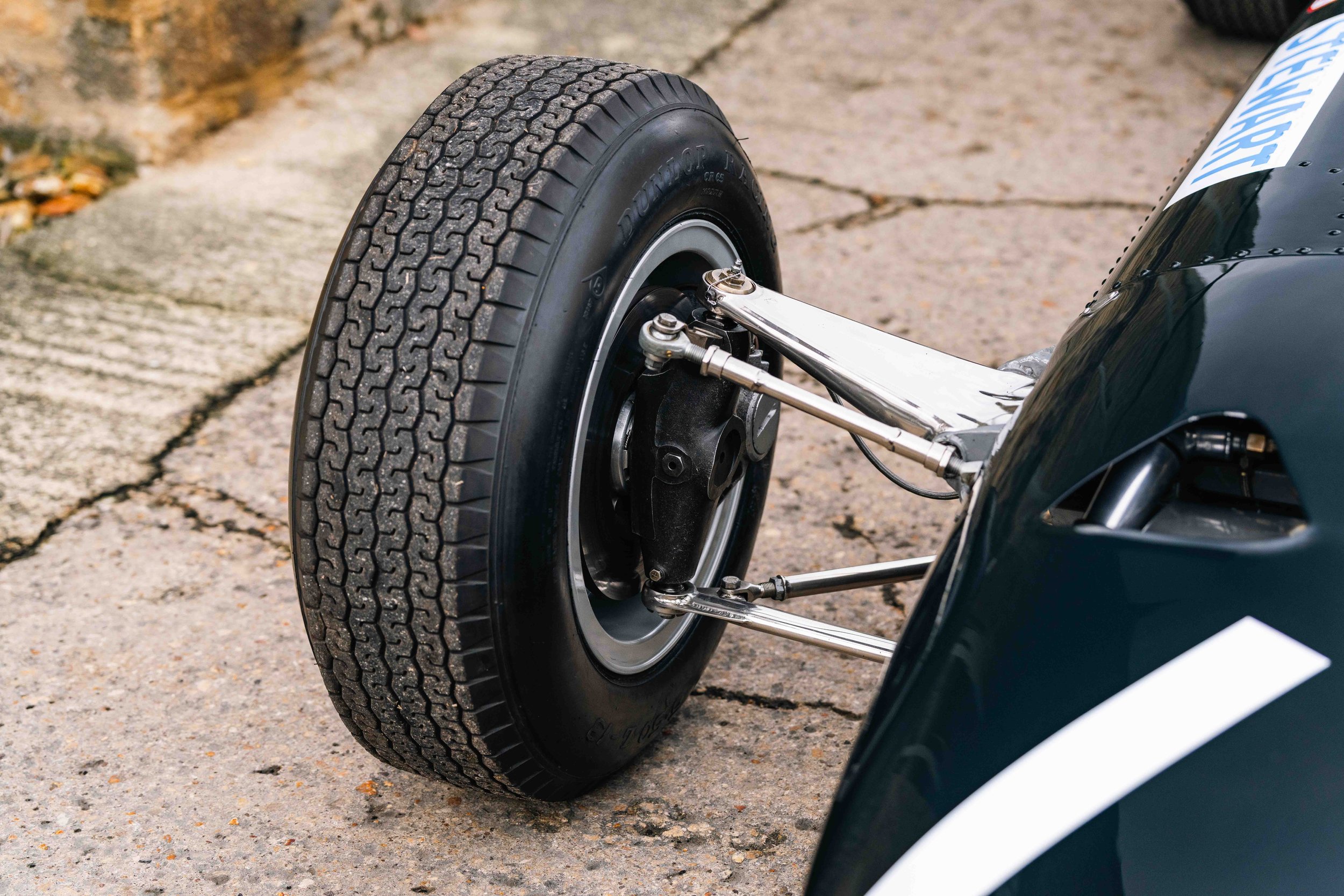
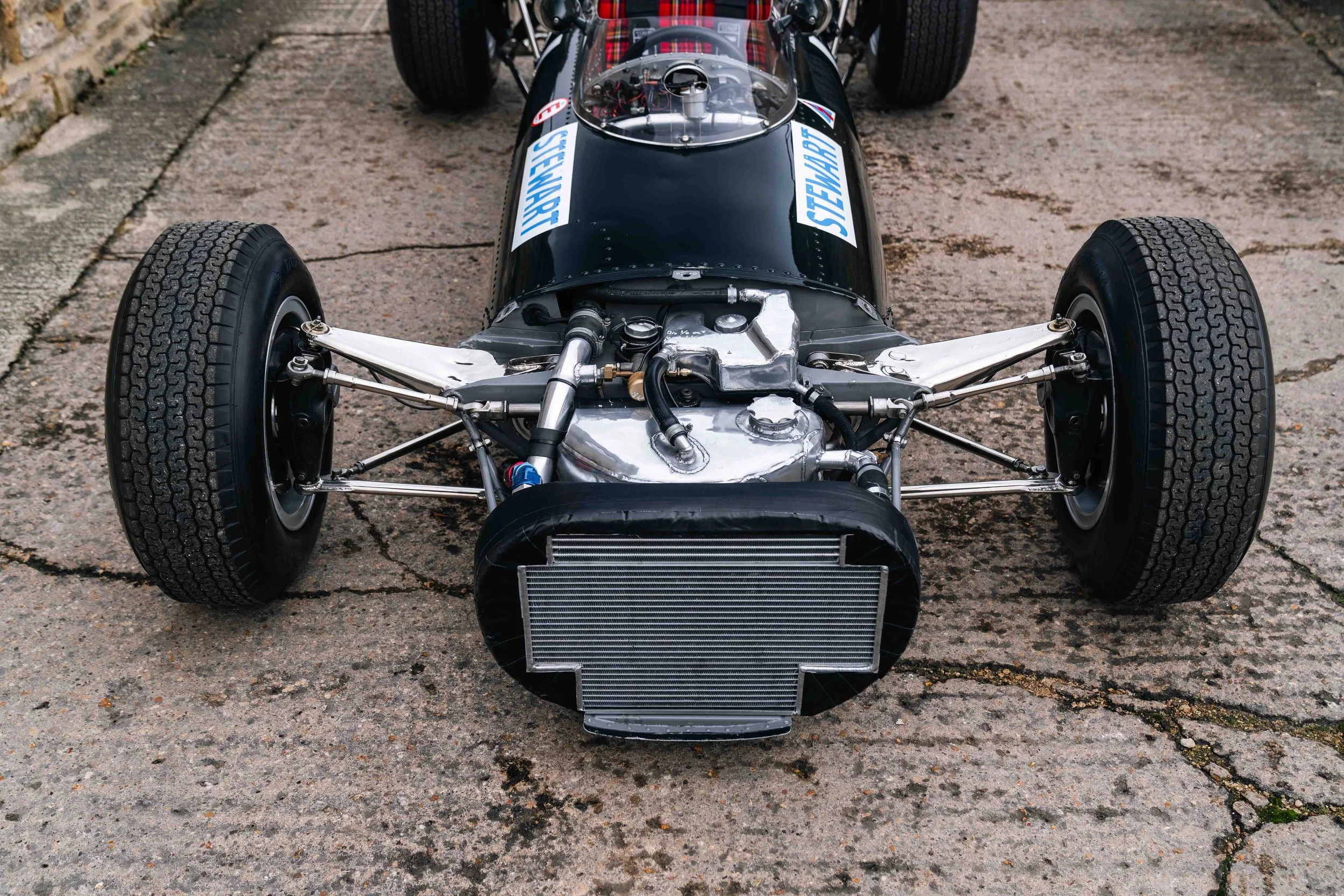
The P261’s aluminium monocoque differed in concept from that of its contemporaries. Where the Lotus 25 employed an open channel-section structure, the BRM featured a slim tubular-section monocoque, with fuel carried in rubber cells housed within extended side pontoons and the engine mounted directly between them. This compact layout allowed for particularly efficient packaging, while fully independent suspension and carefully considered geometry contributed to a design that proved effective and durable over two full World Championship seasons.
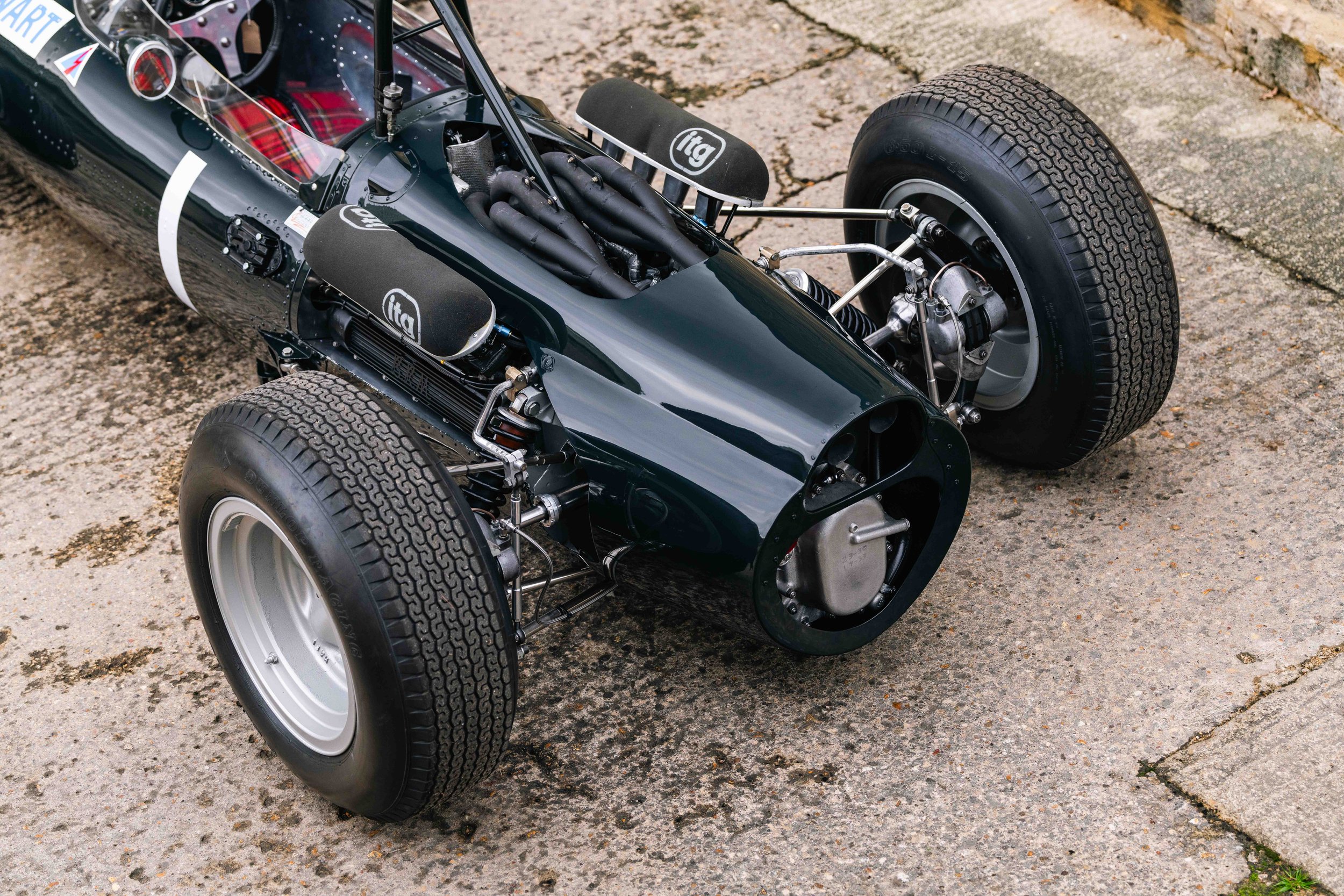
Central to the P261’s identity was the continuing development of BRM’s 1.5-litre V8 engine, itself derived from the unit that had powered the team to the World Championship title in 1962. Early P261s ran with the familiar low-exhaust configuration, requiring cut-outs in the chassis pontoons, before the introduction later in 1964 of the now-famous centre-exhaust layout. This revised configuration improved breathing by relocating the inlet trumpets to cooler air at the outer edges of the car and allowed an exceptionally compact rear installation, giving the P261 its distinctive barrel-shaped tail. Though it introduced new heat-management challenges, the centre-exhaust engine represented the most advanced form of BRM’s 1.5-litre V8 and underpinned the car’s strongest results.
The P261 made its competition debut in early 1964 and immediately demonstrated front-running pace. Its World Championship debut at the Monaco Grand Prix proved decisive, delivering a commanding one-two finish and confirming the car as a genuine title contender. Over the 1964 and 1965 seasons, the P261 became one of the most competitive and reliable cars on the grid. Driven by Graham Hill, Richie Ginther and Jackie Stewart, it secured six Grand Prix victories and carried both Hill and Stewart to second place in the drivers’ championship in successive seasons.
Jackie Stewart and BRM P261, 2617
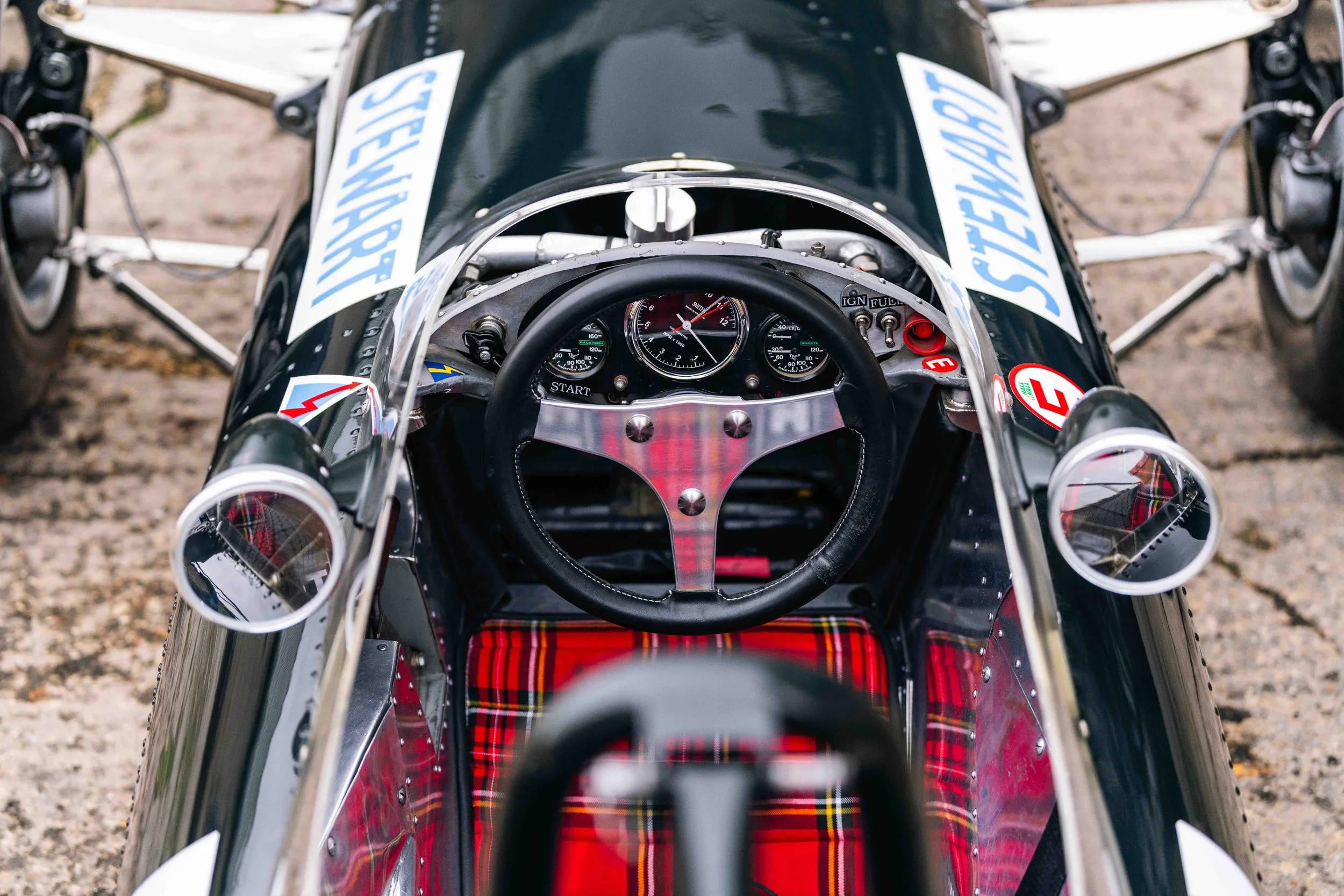
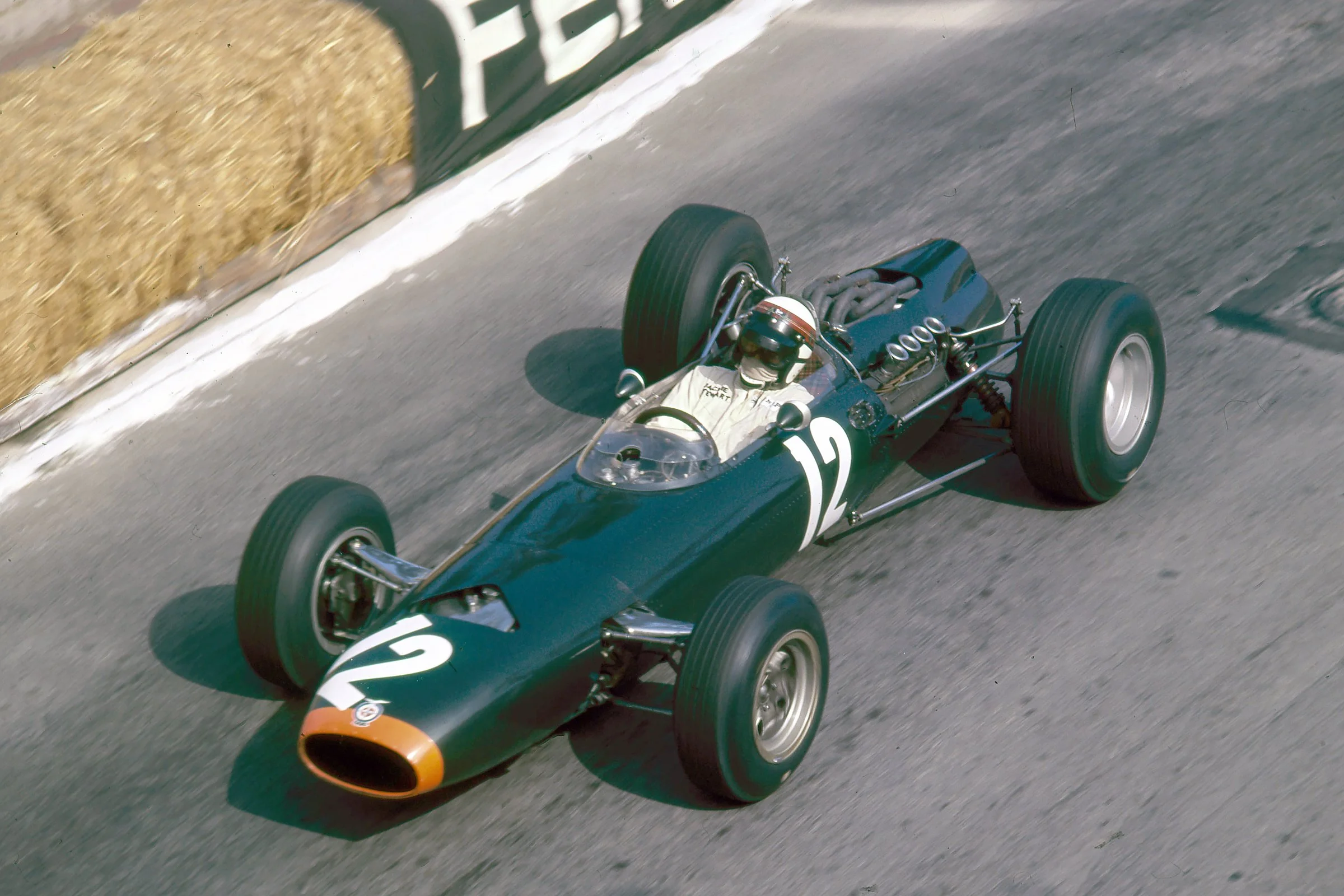
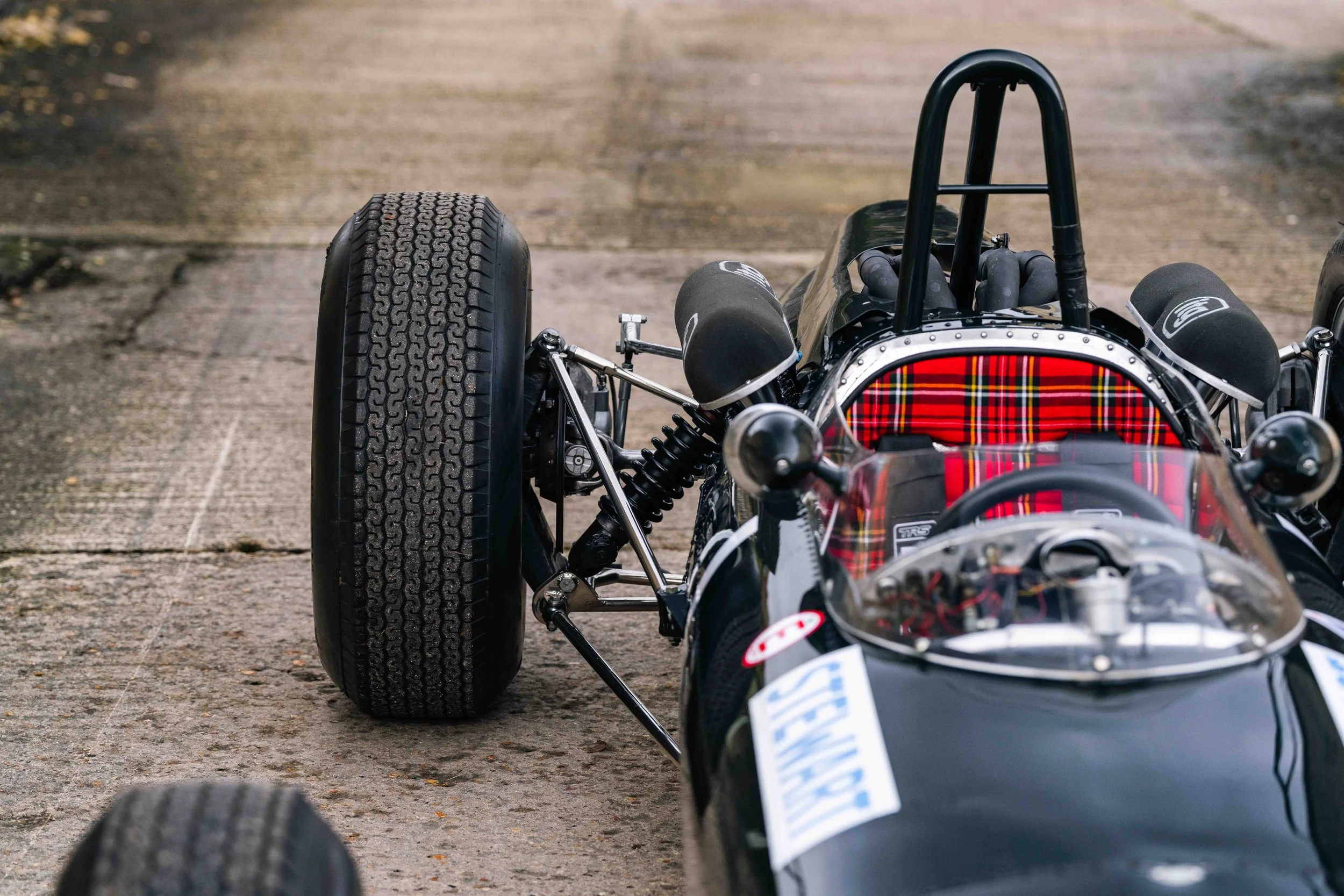
BRM P261, chassis 2617, was built for the 1965 season as the final P261, and would become Jackie Stewart’s main car in the Formula 1 World Championship. Having taken 2nd place at the Race of Champions in March, Stewart used 2617 to take his first Formula 1 race victory at the Silverstone International Trophy in May. Podiums in the World Championship season followed at Monaco, Spa, Clermont-Ferrand and Zandvoort, with a 5th at Silverstone for the British Grand Prix.
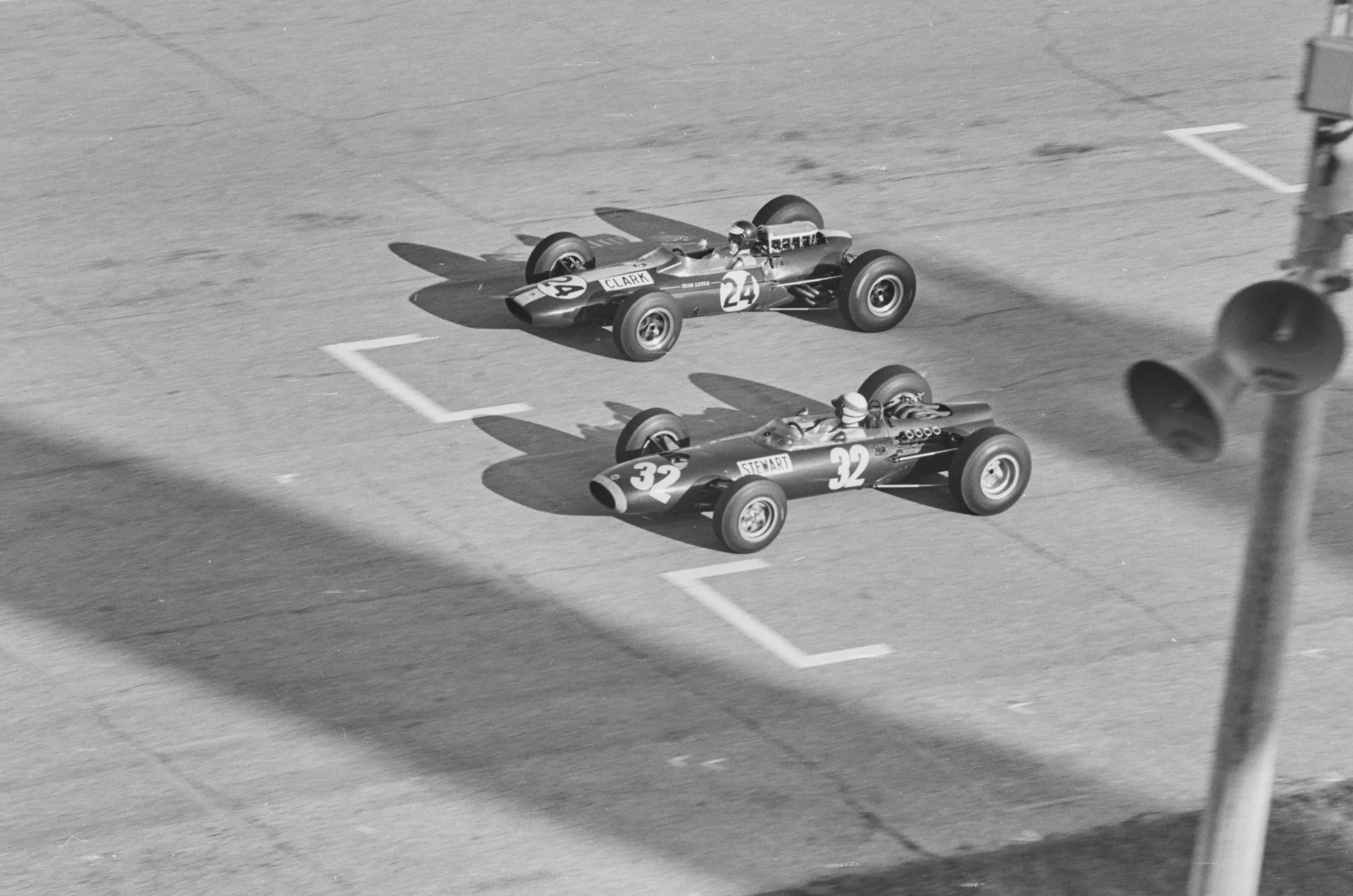
It was with 2617 that Stewart claimed his first World Championship Formula 1 race victory at the Italian Grand Prix in September 1965, after a typical Monza slip-stream battle with team mate Graham Hill and World Champion elect, Jim Clark.
Stewart would also campaign 2617 as part of his 1966 Tasman winning campaign, scoring a 2nd at Pukekohe, before team mate Richard Attwood took 2nd with the car at Wigram.
After the regulation change in the 1966 Formula 1 World Championship, allowing engines of up to 3-litres in capacity, 2617 was pressed back into action in 2.0-litre Tasman form for the Monaco Grand Prix with Stewart, the highest profile race on the calendar, which he went on to win in the year-old 2617.
2617’s contemporary career came to an abrupt end during the 1966 Belgian Grand Prix at Spa-Francorchamps when Stewart went off at the feared Masta Kink. Stewart hit a telegraph pole in 2617 and was trapped within the chassis, surrounded by leaking fuel for some 30 minutes. It was only the intervention of Graham Hill and Bob Bondurant that led to him being freed with basic tools.
It was a pivotal moment, not only for 2617 or Stewart, but for the sport as a whole. The accident sparked Jackie Stewart’s pioneering safety crusade, demanding better from organisers, circuits and manufacturers in order to preserve life, leading to the standards we know and benefit from today.
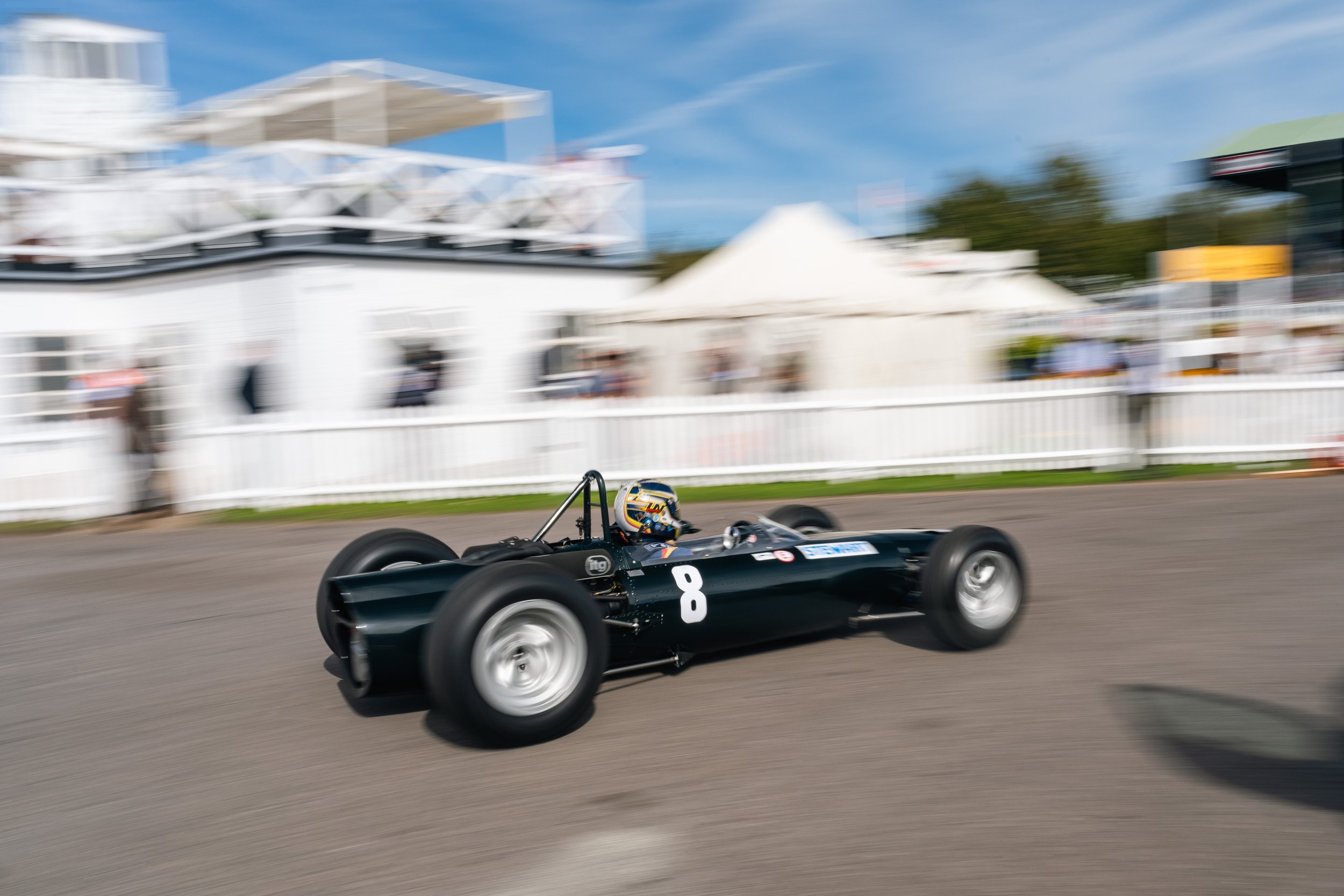
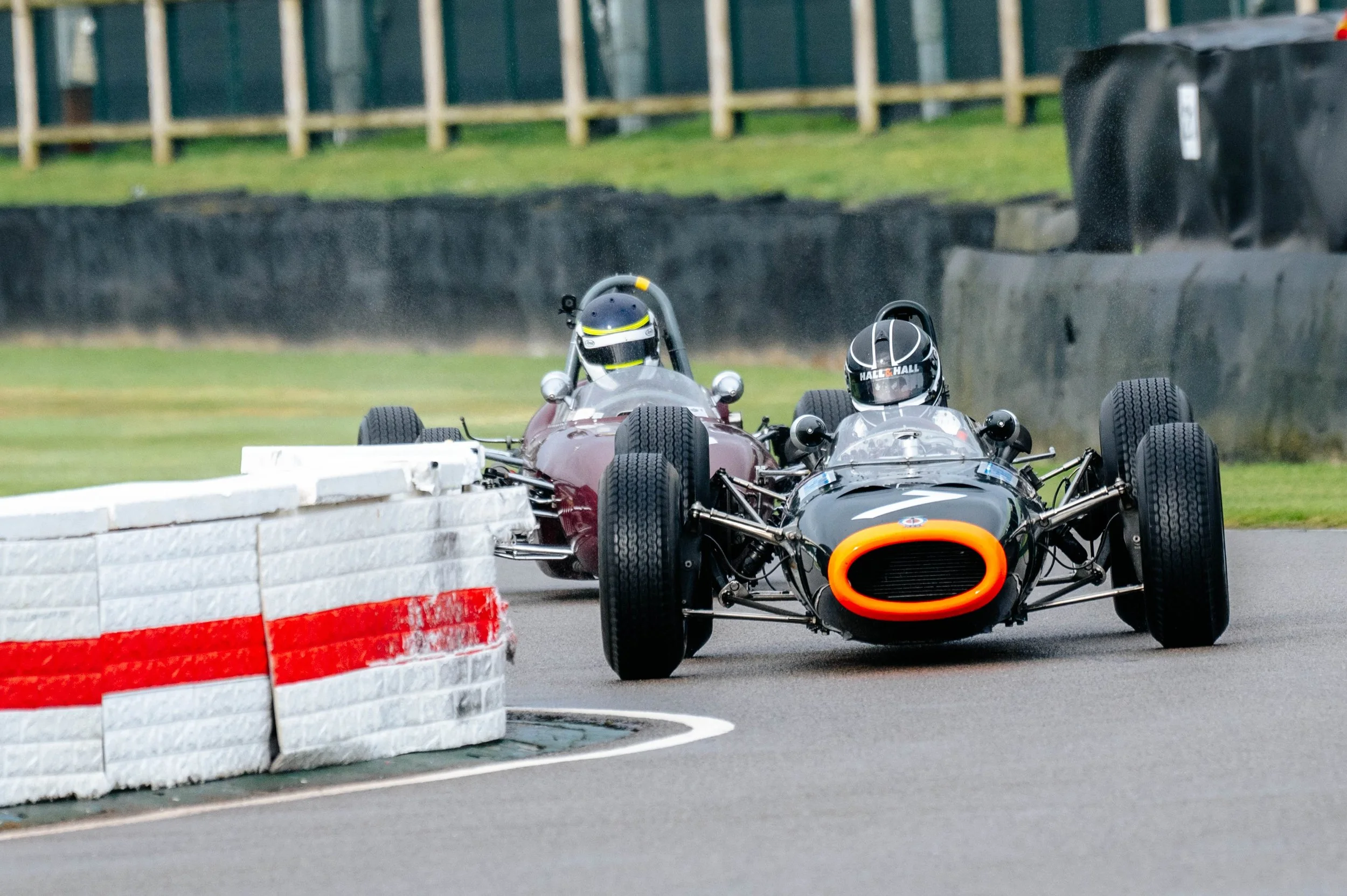
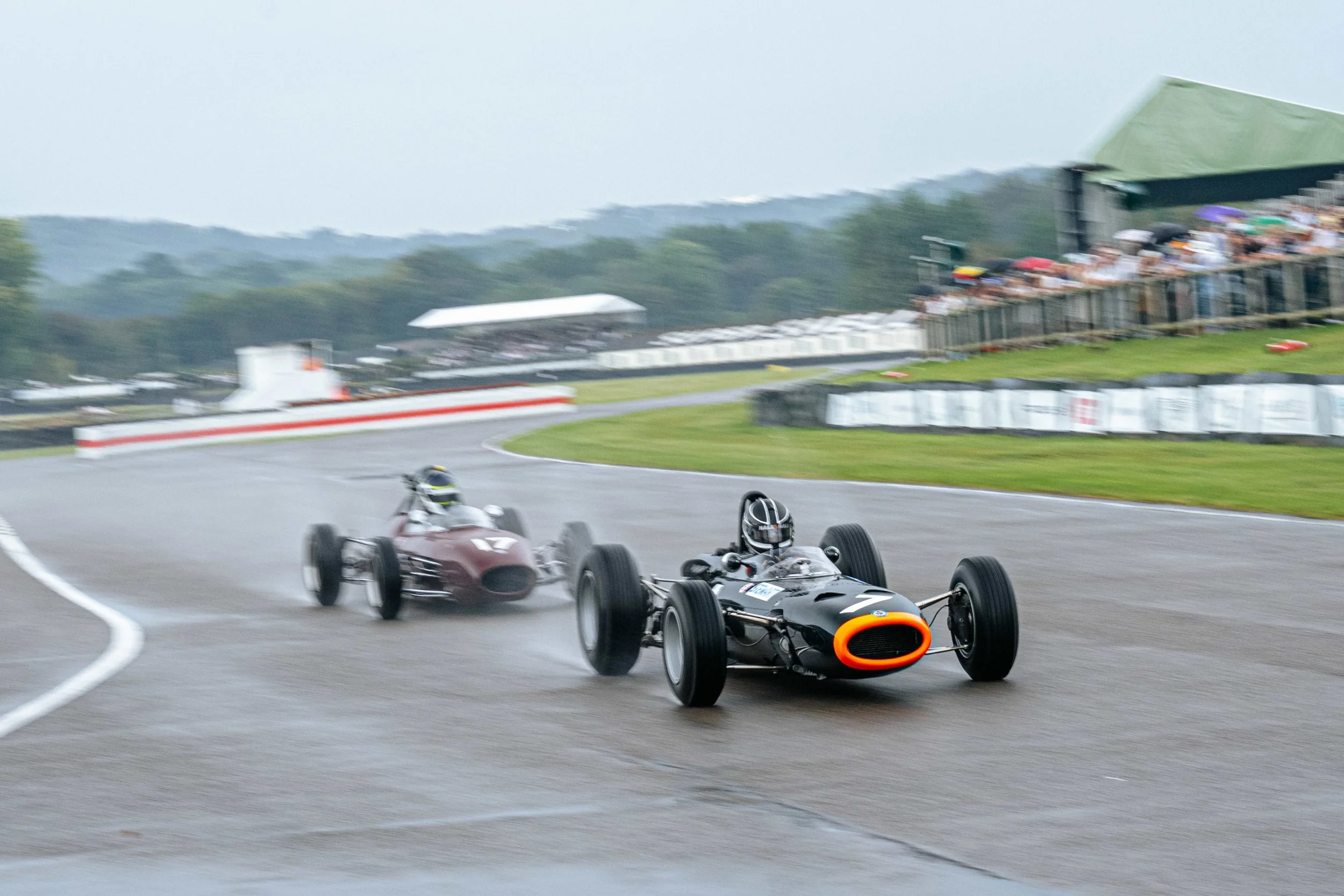
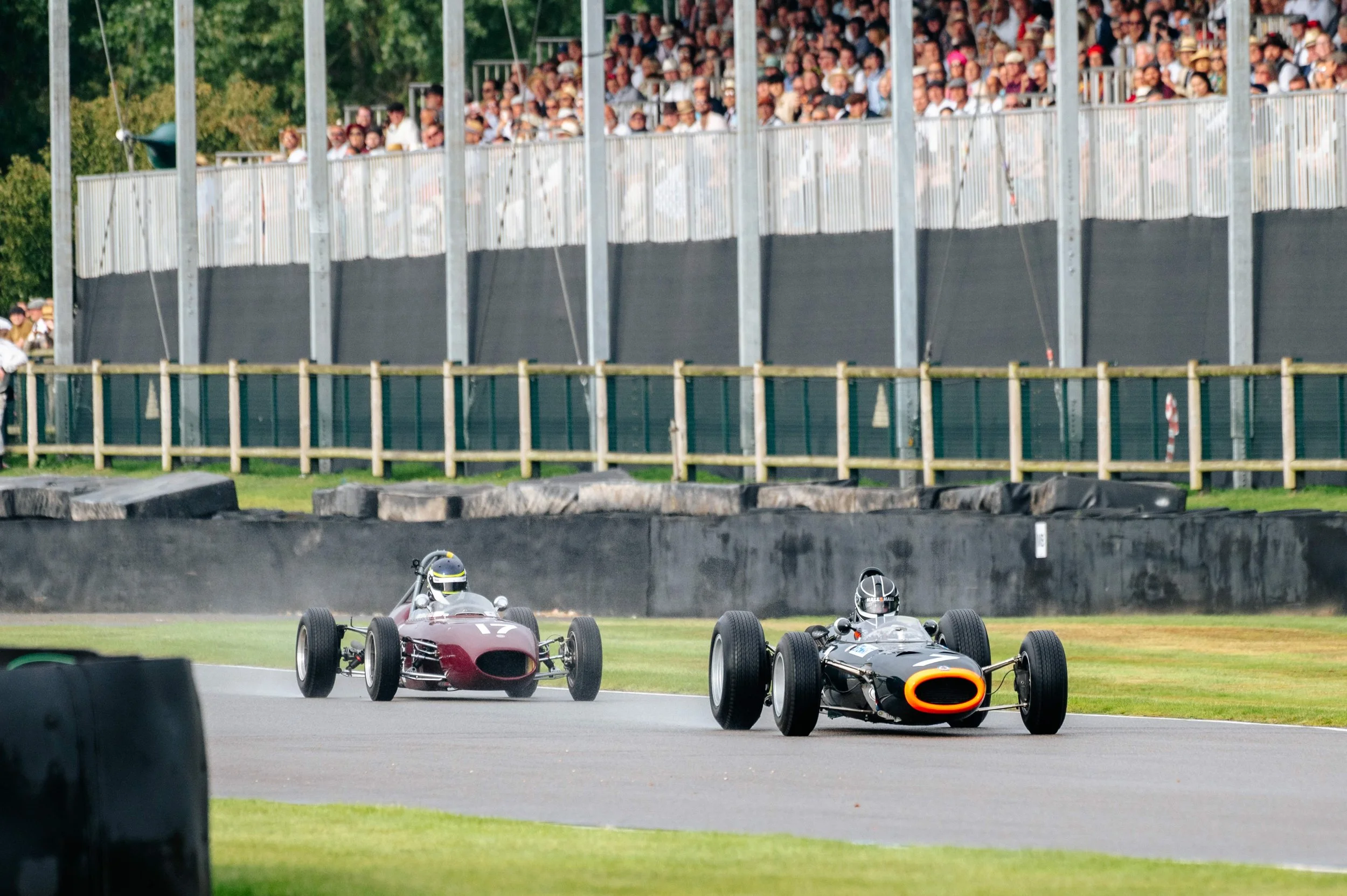
This car, chassis ‘2617’
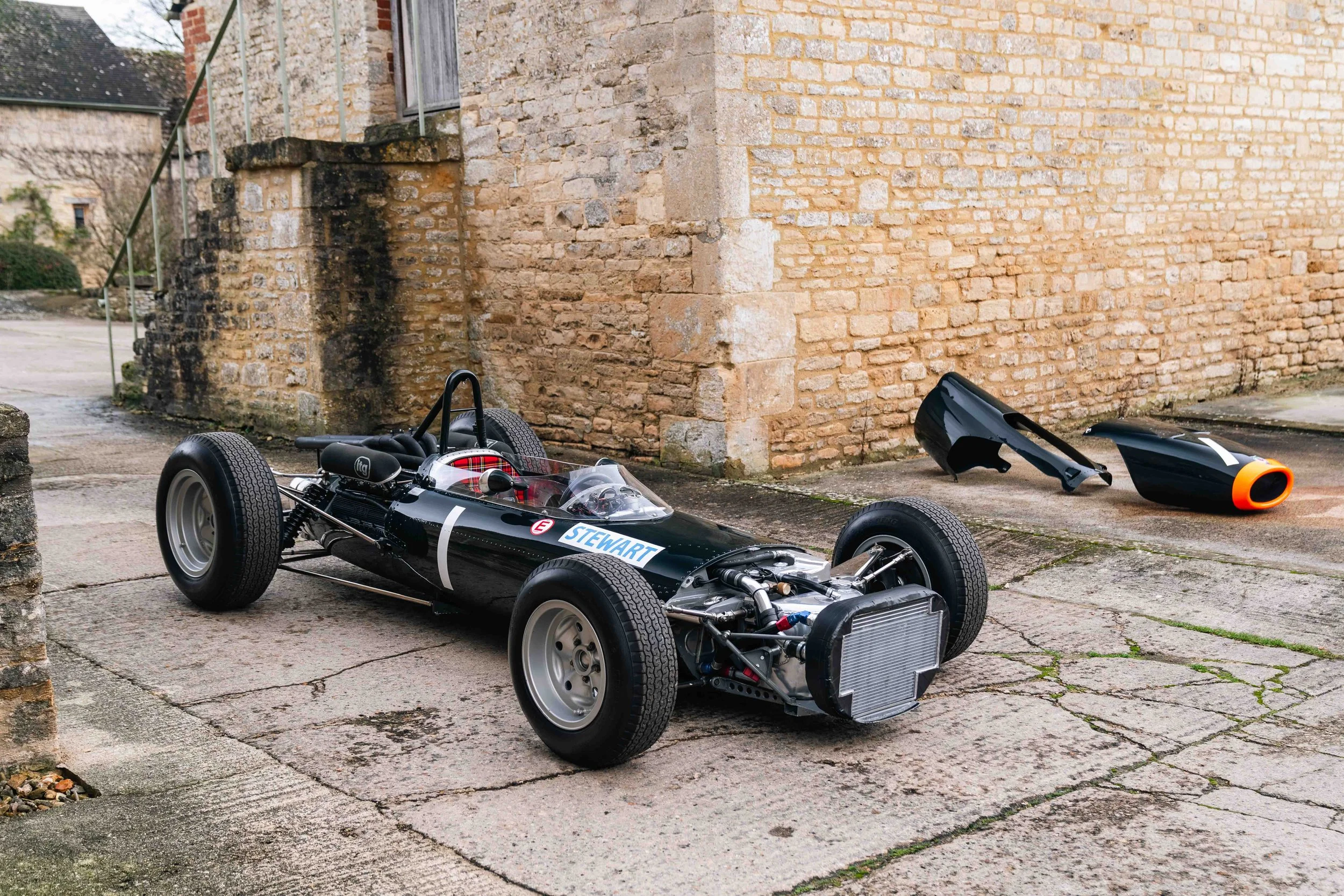
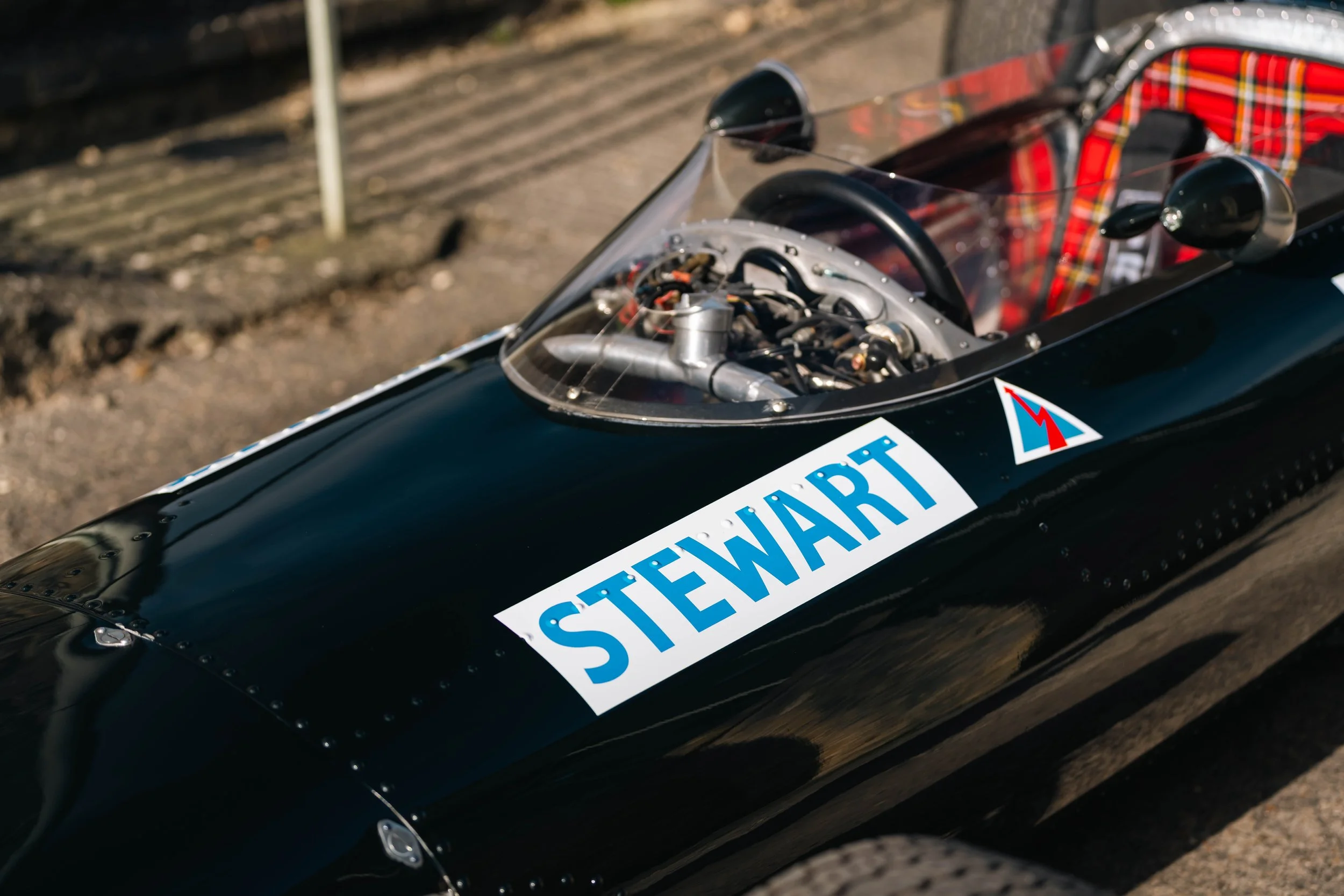
This car, chassis ‘2617’, is the authorised reconstruction of the very BRM P261 works car raced by Jackie Stewart that was damaged beyond repair at Spa-Francorchamps during the 1966 Belgian Grand Prix.
The reconstruction was undertaken with the approval of the Owen family, who have owned and directed British Racing Motors since the operation was acquired by Sir Alfred Owen in 1952, Chairman of Rubery Owen, together with his siblings Ernest and Jean. Their stewardship defined BRM’s works Grand Prix era, lending crucial weight to the legitimacy of this project.
The car was completed in the 1990s for Richard Attwood by Hall & Fowler – the business founded by former BRM engineers Rick Hall and Rob Fowler, now known as Hall & Hall and still based in Bourne, Lincolnshire, the historic home of BRM.
Drawing upon an exceptional archive of more than 20,000 original BRM technical drawings, as well as a substantial collection of original P261 components assembled by Attwood during his time as a works driver, the rebuild incorporated many parts reputed to have been removed from the crashed chassis together with an original P60 engine.
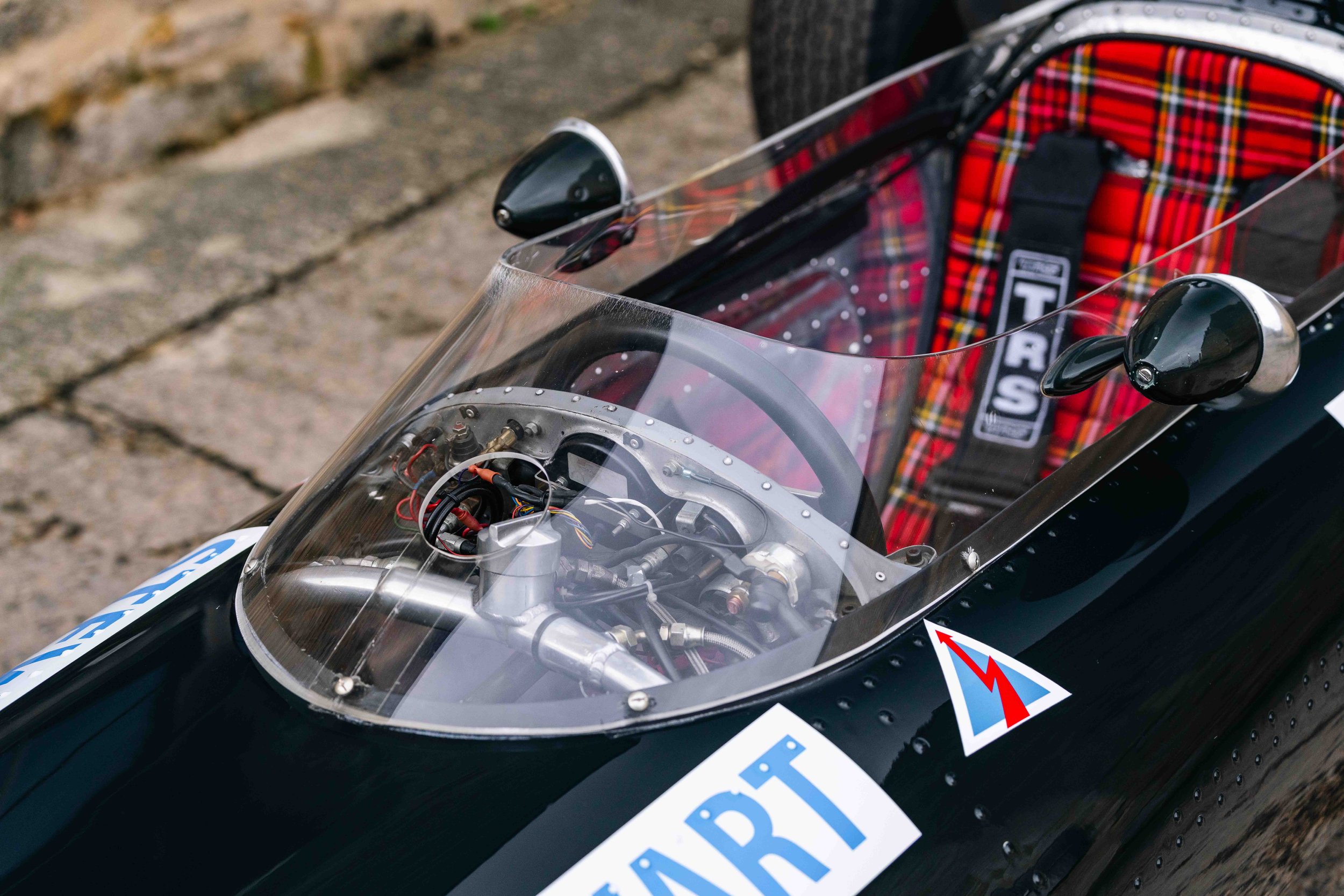
As a result, aside from, in the main, the newly constructed monocoque by Kerry Adams, the car is assembled largely from original period BRM components. The rebuild benefited from extensive input from former BRM mechanics, ensuring accuracy in both specification and detail.
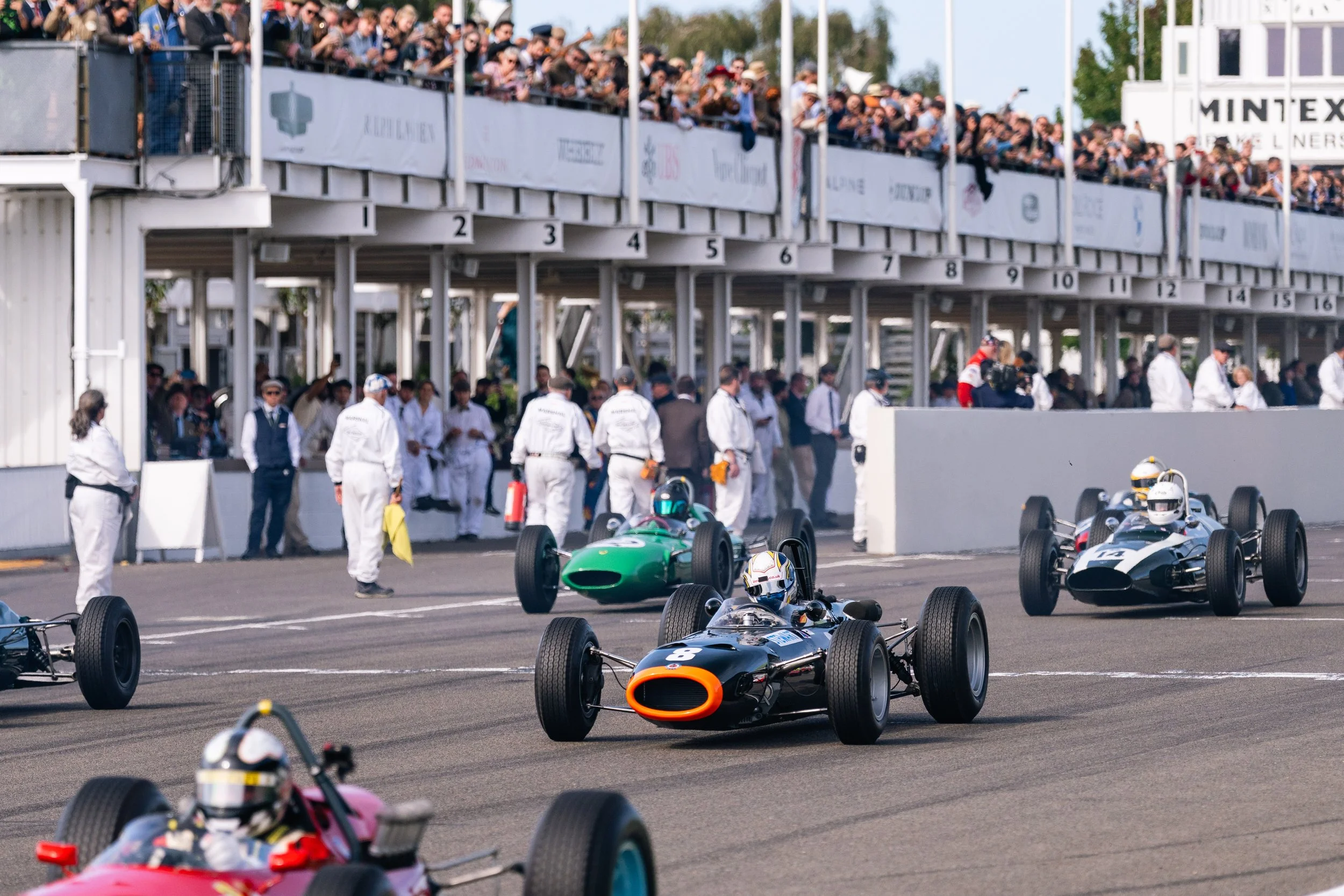
Since completion, ‘2617’ has enjoyed an active and successful life in historic racing. Campaigned by Richard Attwood and more recently by Andy Willis of Hall & Hall, it has demonstrated both competitiveness and reliability, highlighted by victories in the Glover Trophy at Goodwood in 2000, 2001, 2003, 2010 and 2023.
Today the car is fitted with a freshly rebuilt 1.5-litre BRM P56 V8 in ultimate late-specification form, featuring the inside exhaust layout that represents the most advanced development of BRM’s 1.5-litre Formula 1 engine.
On multiple occasions, ‘2617’ has been graced with the pilotage of Sir Jackie Stewart himself, taking the car out in demonstration runs including during the Italian Grand Prix weekend, commemorating his 1965 Grand Prix victory at the ‘Temple of Speed’.
This sensational car is presented in outstanding condition following careful long-term stewardship and expert preparation by leading specialists. Regularly campaigned and proven at the highest level of historic competition, it is eligible for premier events including the Glover Trophy at the Goodwood Revival and races organised by the Historic Grand Prix Cars Association (HGPCA).
Accompanying the car is a highly significant spares package, including the partially disassembled P60 engine number 6016, spare wheels, and a selection of running spares. Few cars better encapsulate BRM’s Grand Prix ambition and ‘2617’ offers an exceptional opportunity to experience one of the defining Grand Prix cars of the 1.5-litre era.
Get in touch to find out more
Please feel free to get in touch and I’ll be happy to discuss the car with you.
Either fill in the form to the right or call on 0044 (0) 7535 148 470.